Some places feel less like destinations and more like another chapter of the planet.
Ancient cities, lost civilizations, endless salt flats, impossible mountains and landscapes that seem to have been left exactly as they were.
And then there are the people. The smiles, the simplicity, the curiosity — and those remarkably clear, open eyes of people who live among all this every day. The unexpected conversations, chance encounters and little moments you won't find in any guidebook.
You don't have to keep looking for something extraordinary here.
Sometimes, you just need to stop and look around.
The photos on this page were taken by our clients and partners on their own trips — real places, real moments.
Cusco
Where history never left.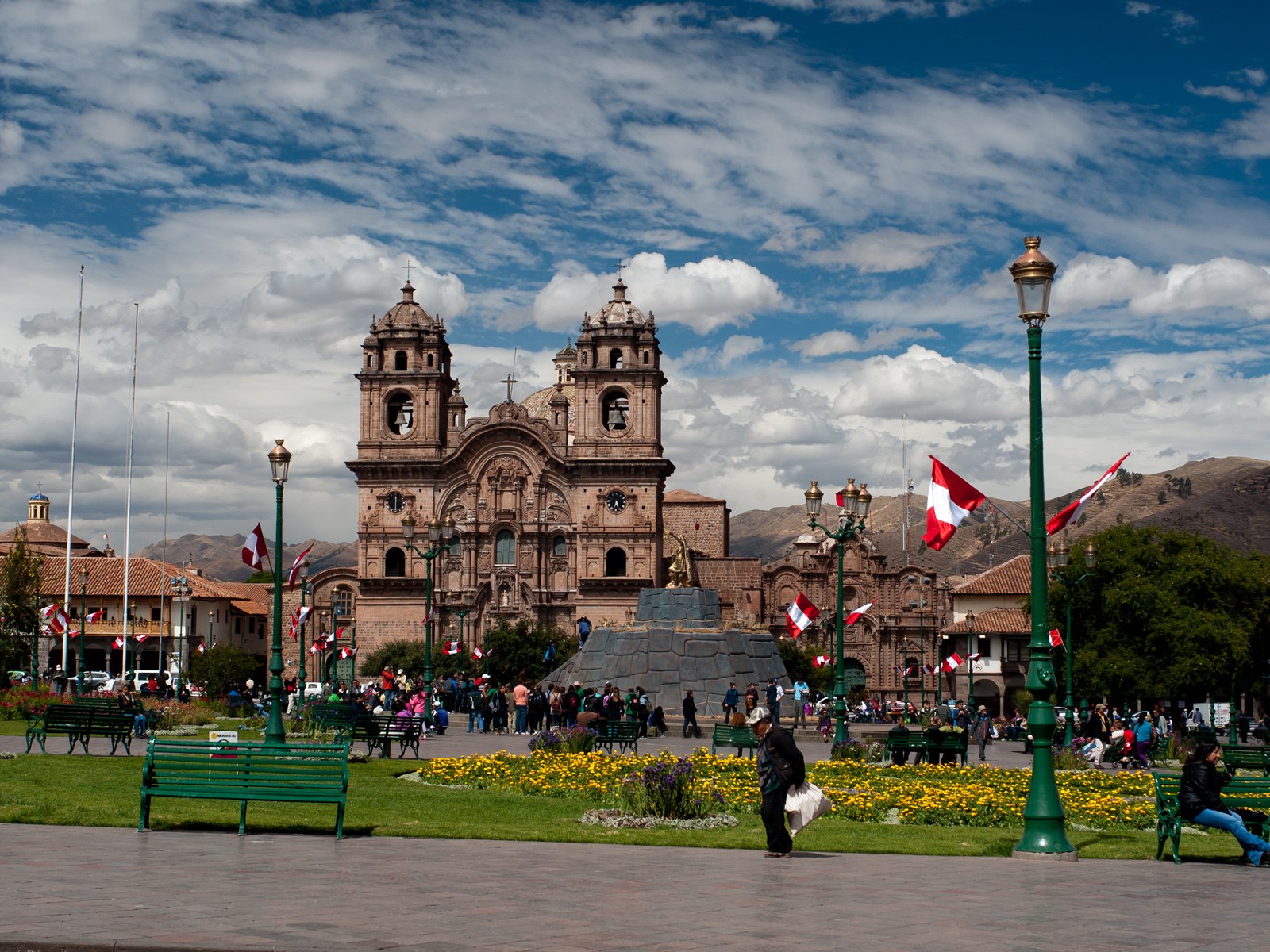
Cusco is a strange place.
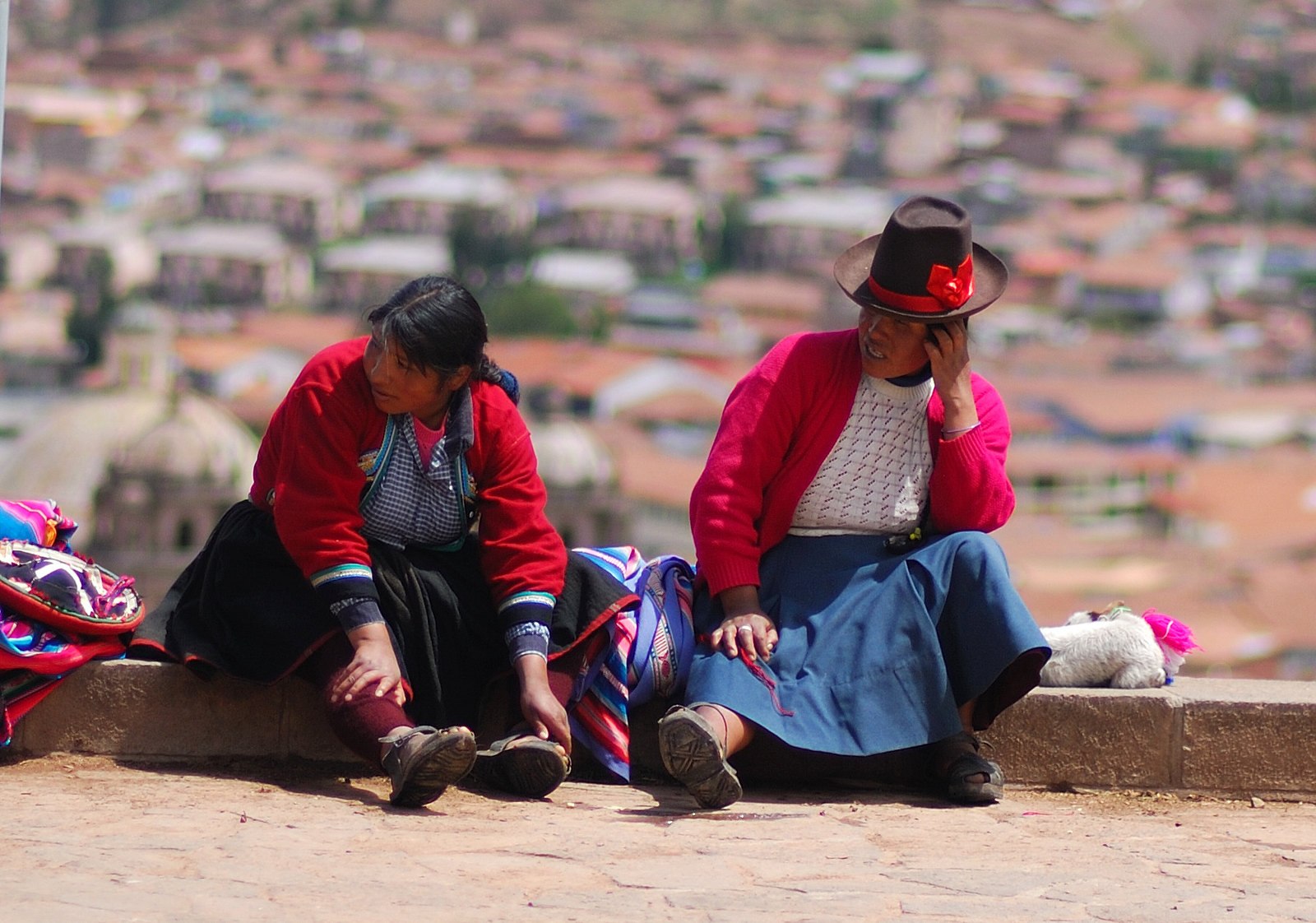
You can be standing next to a wall built by the Incas, turn a corner and find a tiny café, a noisy bar or a woman selling fruit on the street. Ancient stone sits underneath Spanish architecture, and modern life carries on around it as if none of this is particularly unusual.
The altitude will remind you where you are. The streets will make you walk slower. And sooner or later, you'll probably find yourself sitting in a little square, watching people pass by and wondering how a place this old can still feel so alive.
Cusco isn't a museum.
It's a city that never stopped living.
Take it slow
Don't try to conquer Cusco on your first day. The altitude is real, and pretending otherwise is a good way to spend your afternoon in bed.
Give yourself a day to walk slowly, drink plenty of water, eat something light and let your body catch up. Save the big excursions for later — you'll enjoy them much more once Cusco stops making you breathe like you've just run a marathon.
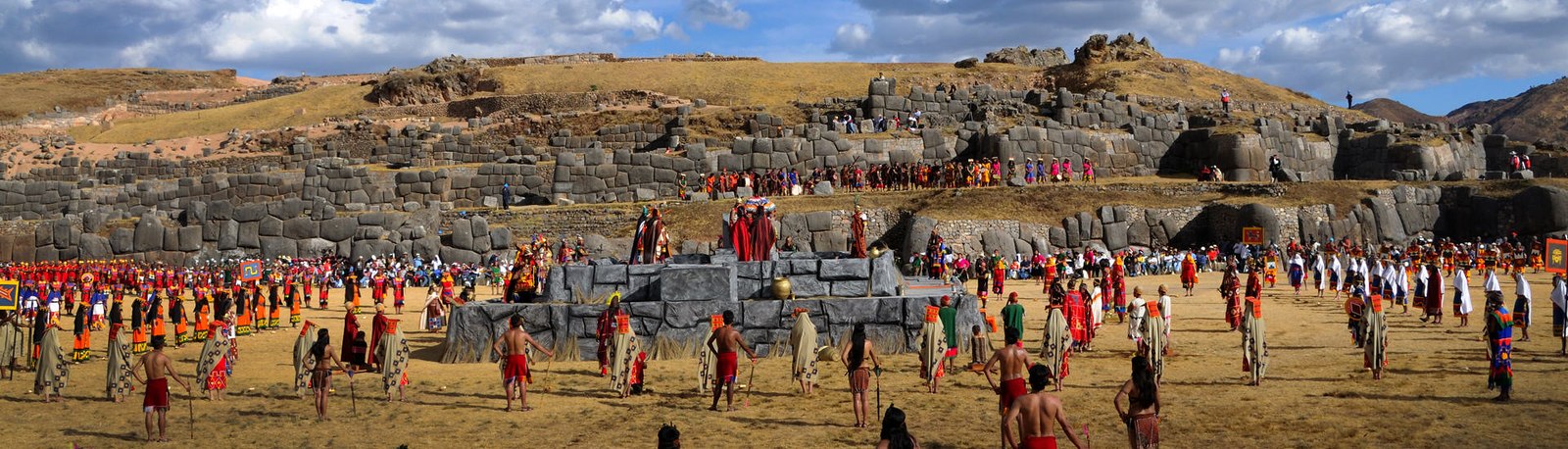
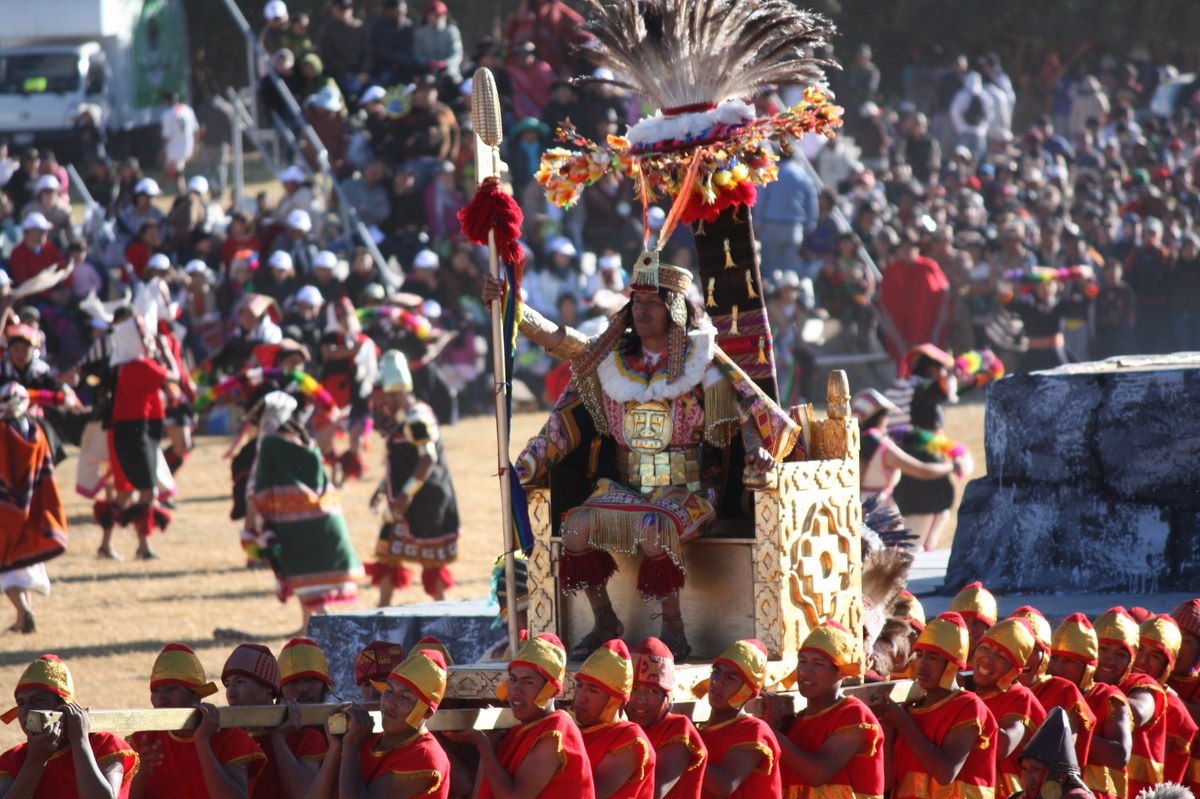 Every 24 June
Inti Raymi
The Inca festival of the sun, brought back in 1944 and performed ever since with total commitment: an Inca on a golden throne, hundreds of dancers and thousands of spectators at Sacsayhuamán, just above the city. Seats in the stands sell out early. The hillside around them is free — which is why it fills up early too.
Cuy
Guinea pig. A festive dish in the Andes, usually served whole. Not quite ready? Go and look at the Last Supper in Cusco Cathedral instead — and guess what's on the table.
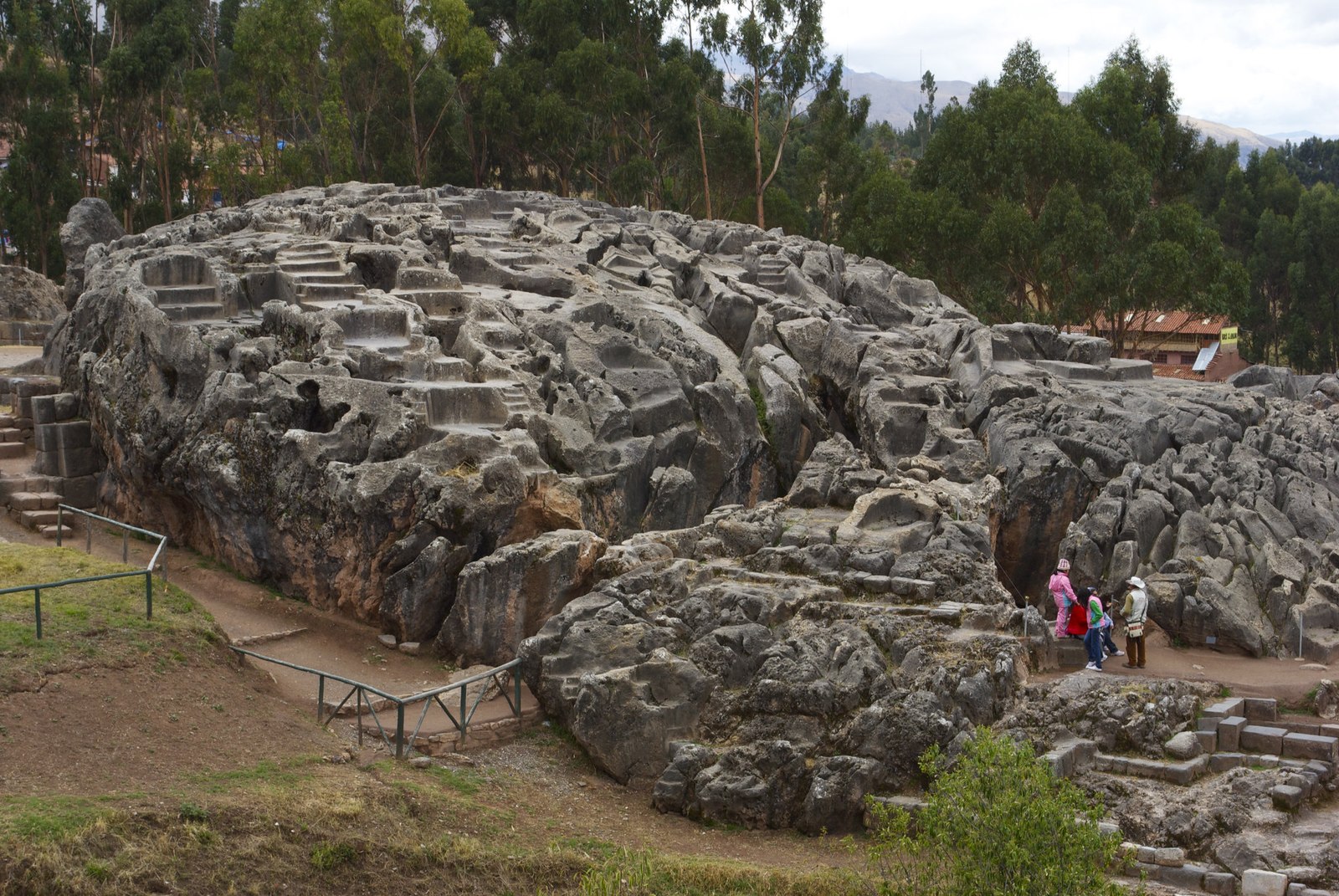
Sacred Valley
Where time slows down.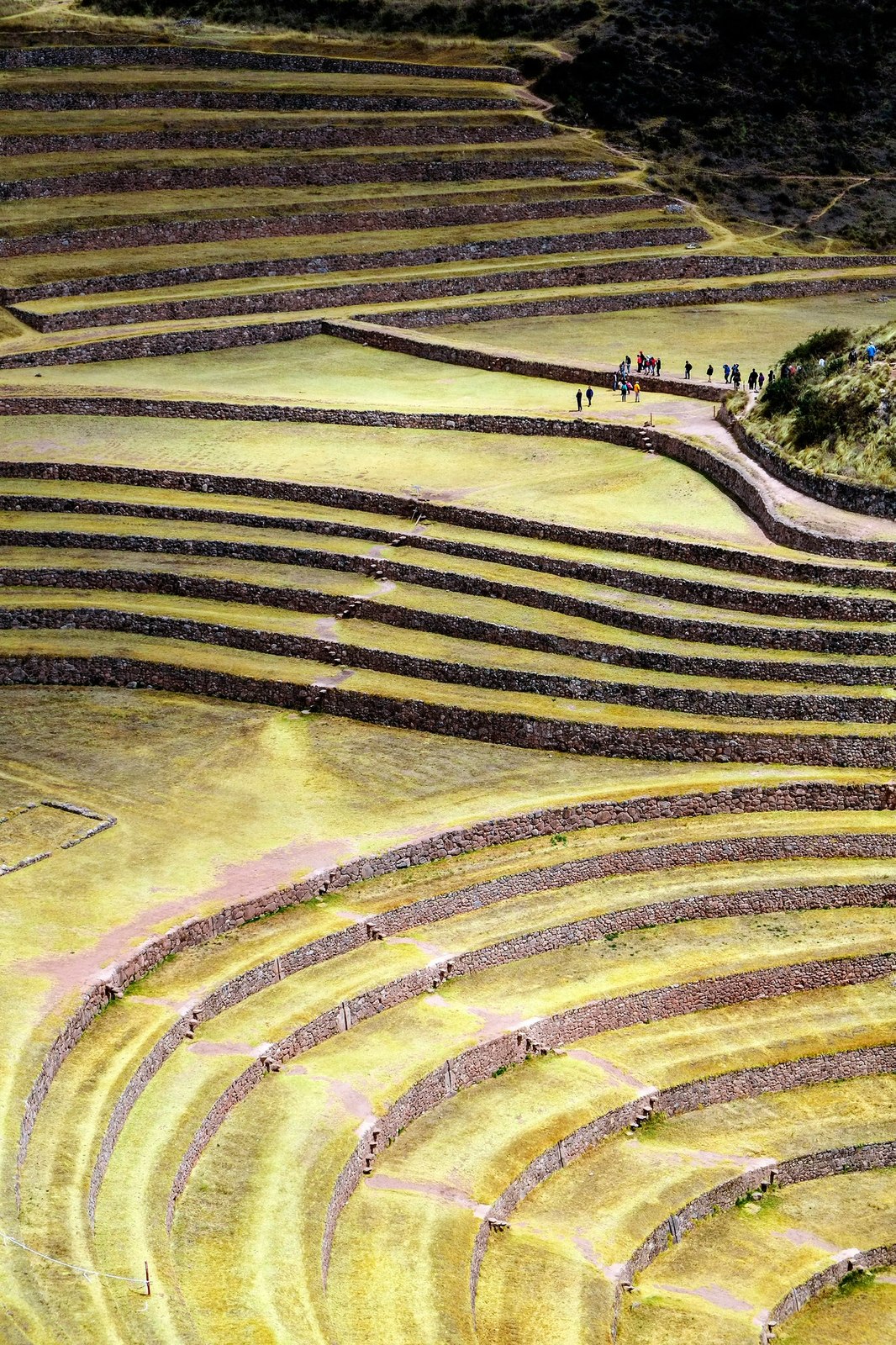
The Sacred Valley isn't somewhere you simply arrive.
It feels like the whole world has slowed down a little.
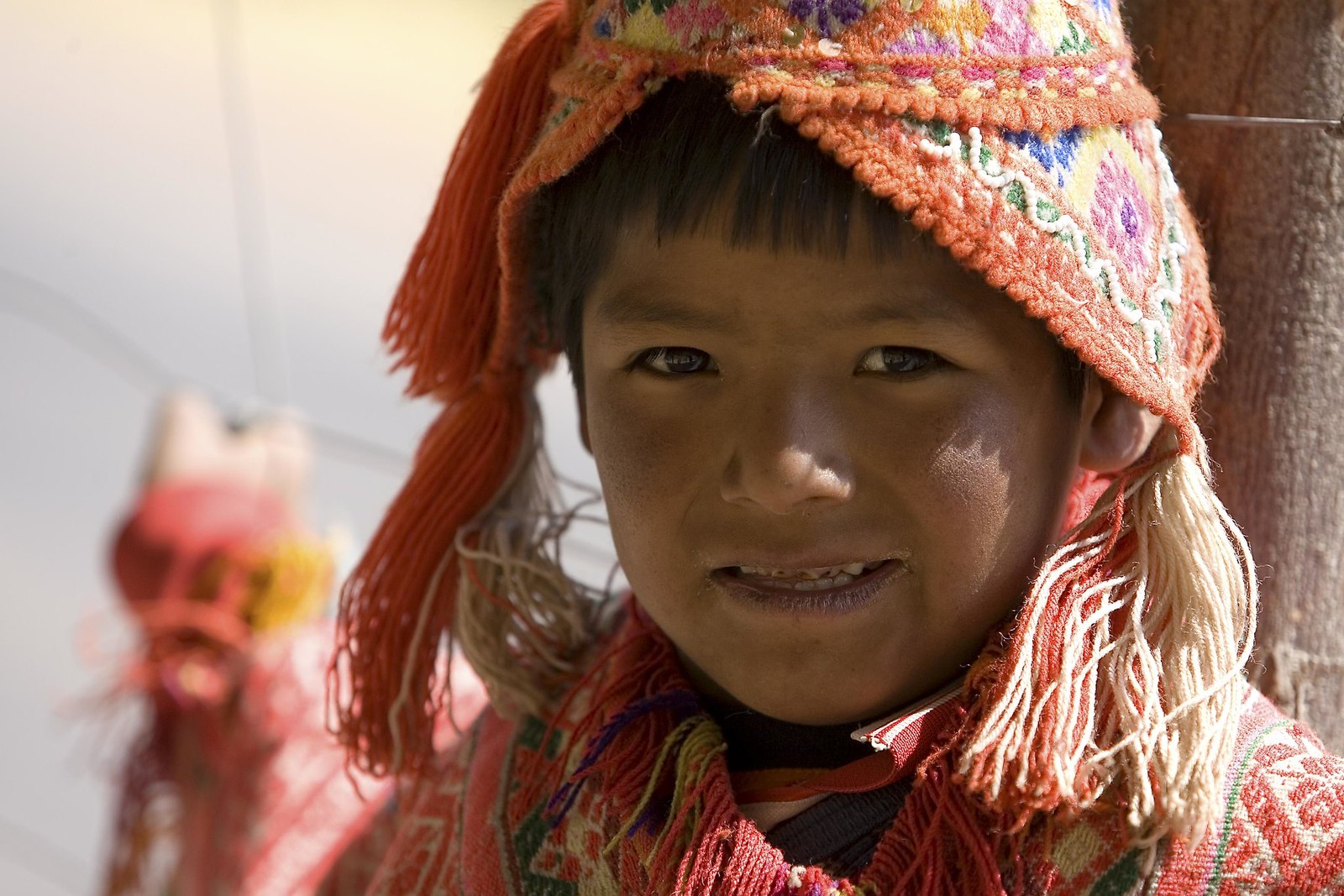
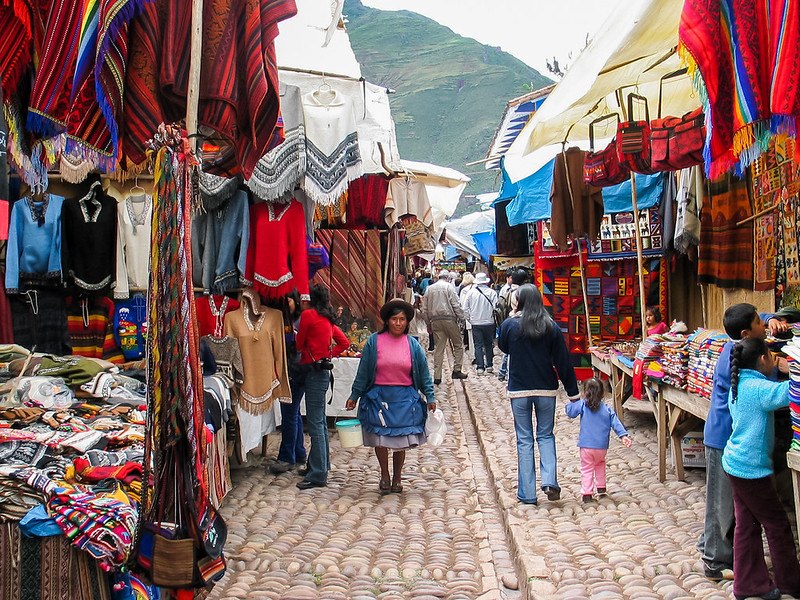
Mountains rise almost vertically from the valley floor. Small villages sit between fields and ancient terraces. People still grow, trade and live from the land, much as generations before them did.
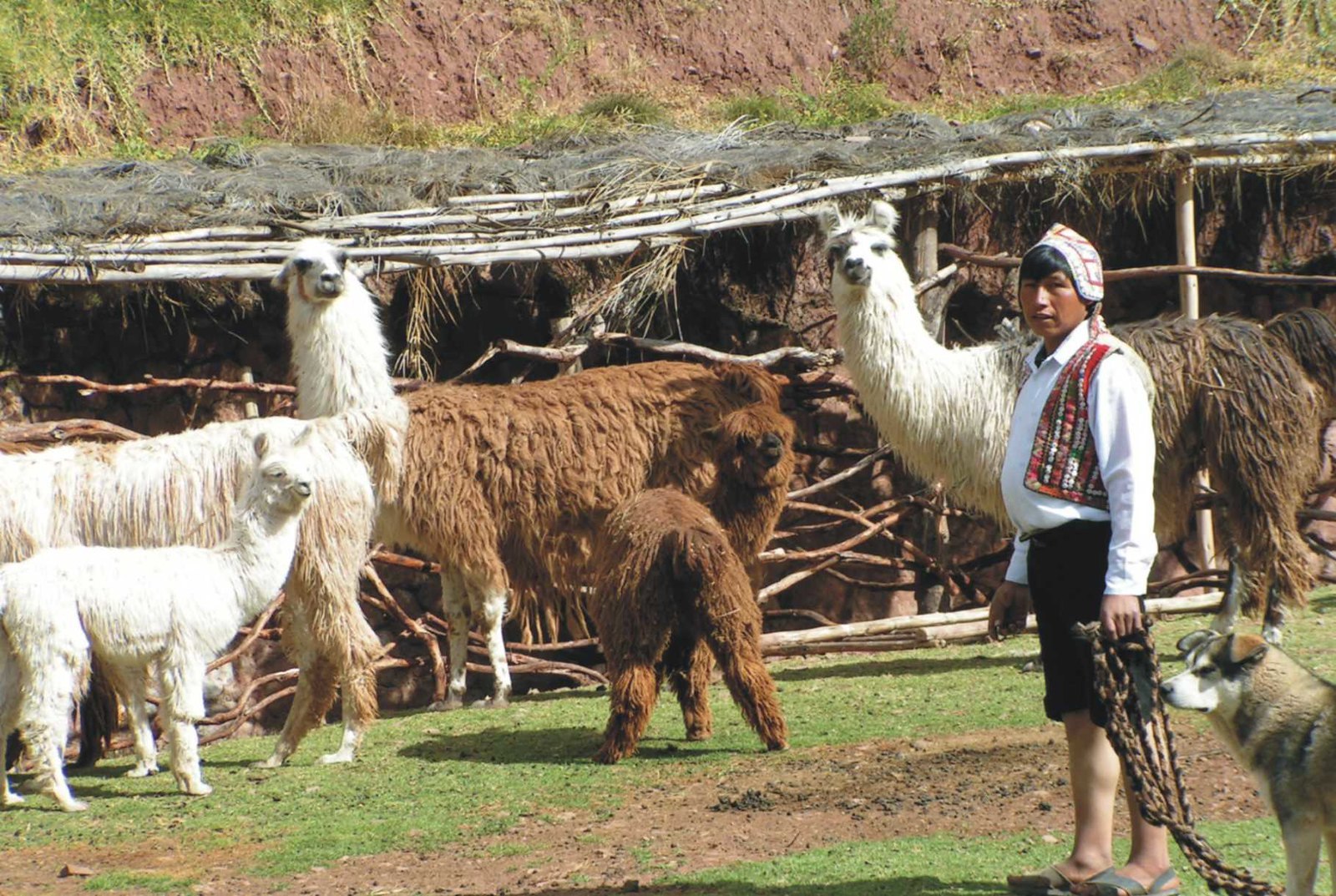
There are colourful markets, curious faces, quiet roads — and the occasional llama looking completely unimpressed by all of it.
And then there are the mountains.
Against them, everything else suddenly feels very small.
You come here for the Incas.
You remember it for the feeling of being somewhere much older than you are.
Don't rush the valley
Don't treat the Sacred Valley as a quick stop between Cusco and Machu Picchu.
Pick a couple of places, leave some time between them and let the road do some of the work. Markets, small villages, roadside cafés and unexpected views are often more interesting than another box ticked on the itinerary.
 Did you know
Kings who never quite left
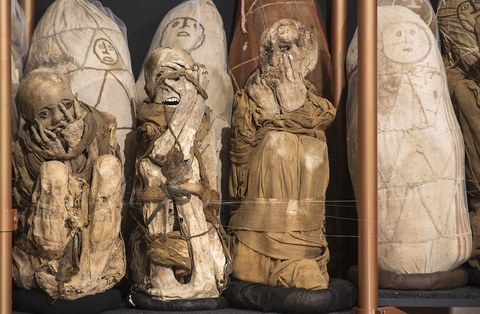
The Incas didn't really let their rulers go. Royal mummies kept their palaces and servants, were consulted on matters of state and were carried out to festivals — dressed up, fed and offered a drink. Look up at the cliffs above Pisac: the dark holes are tombs from one of the largest Inca cemeteries.
The red flag
A pole with a red flag or a plastic bag over a doorway isn't a warning. It means there's chicha inside — home-brewed corn beer, cheap, cloudy and very local.
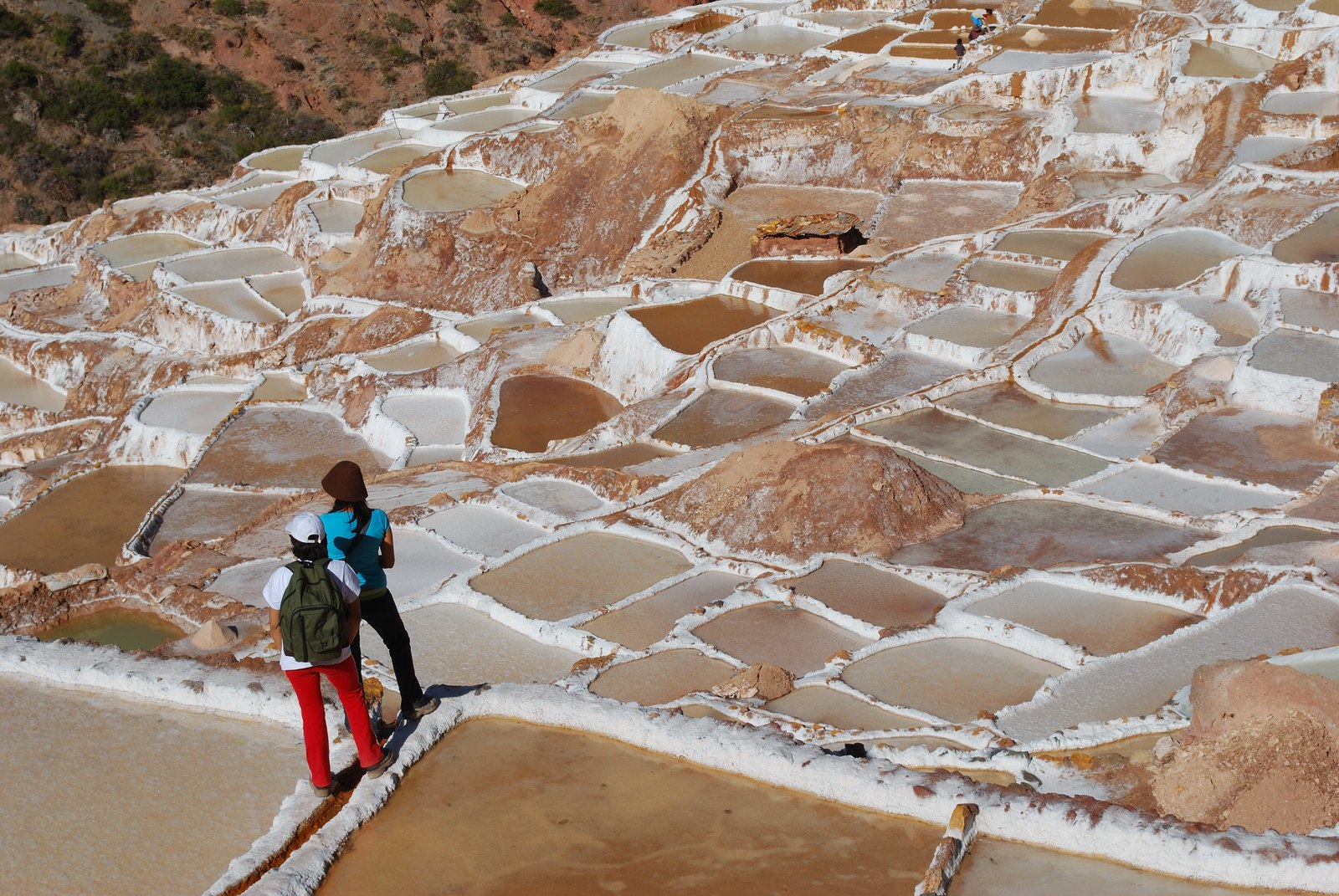
Machu Picchu
And then the clouds move.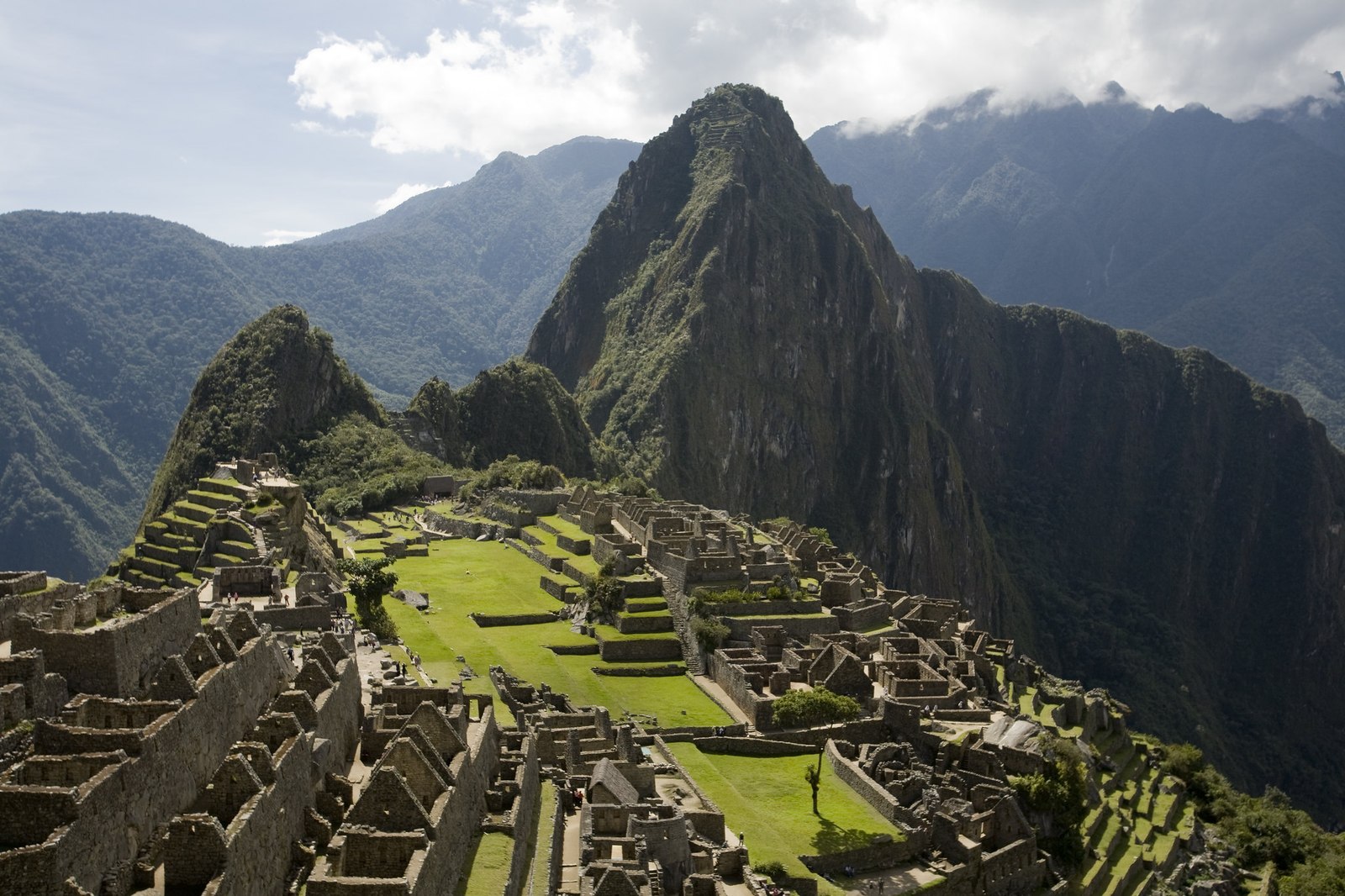
Everyone has seen the photographs.
And somehow, they still don't prepare you for this.
You arrive early. The air is cold. The mountains are still hiding in the mist. For a few minutes, you can't see much at all.
Then the clouds begin to move.
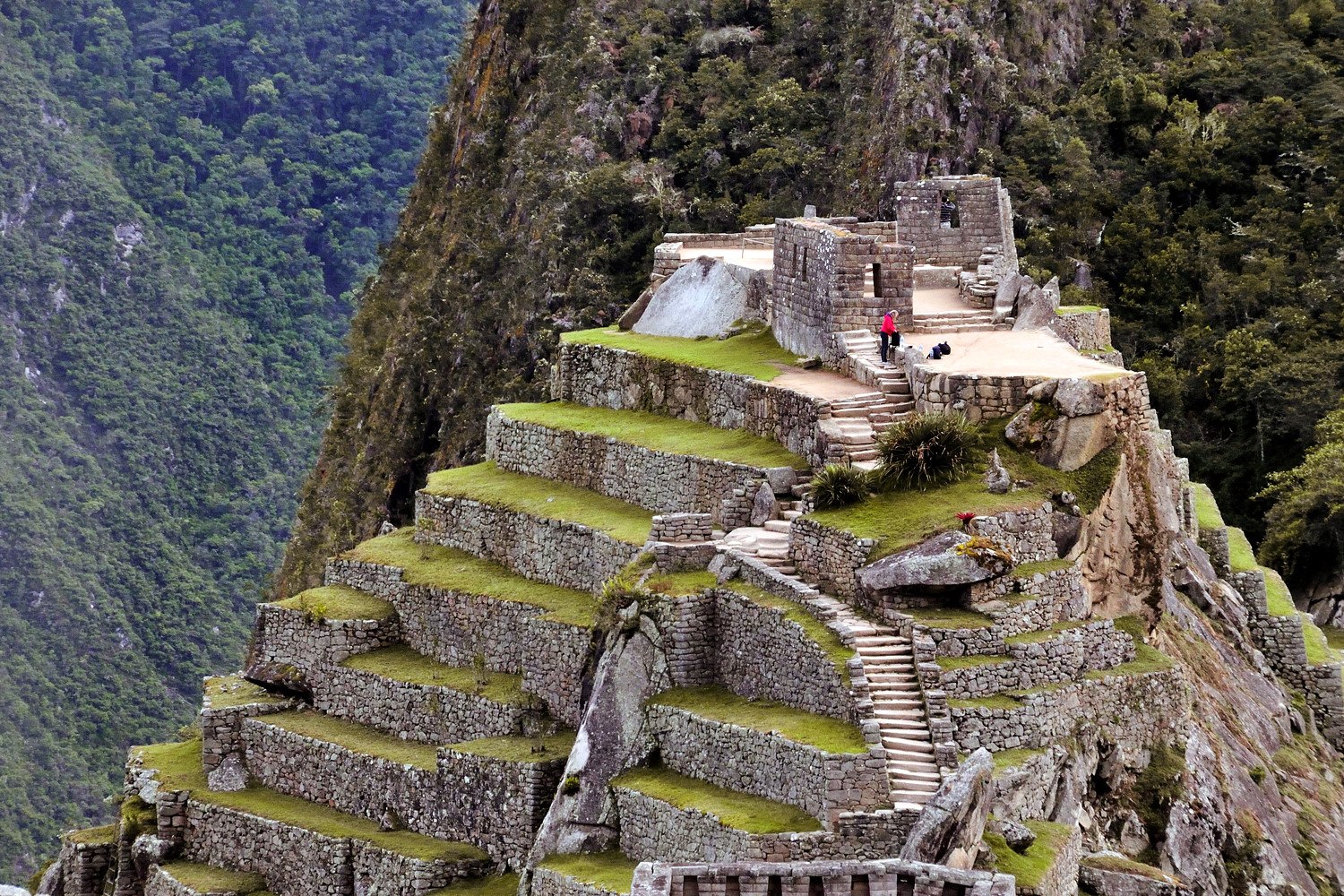
The stone appears first. Then the terraces. Then the whole valley opens up beneath you.
And suddenly, all those photographs make sense.
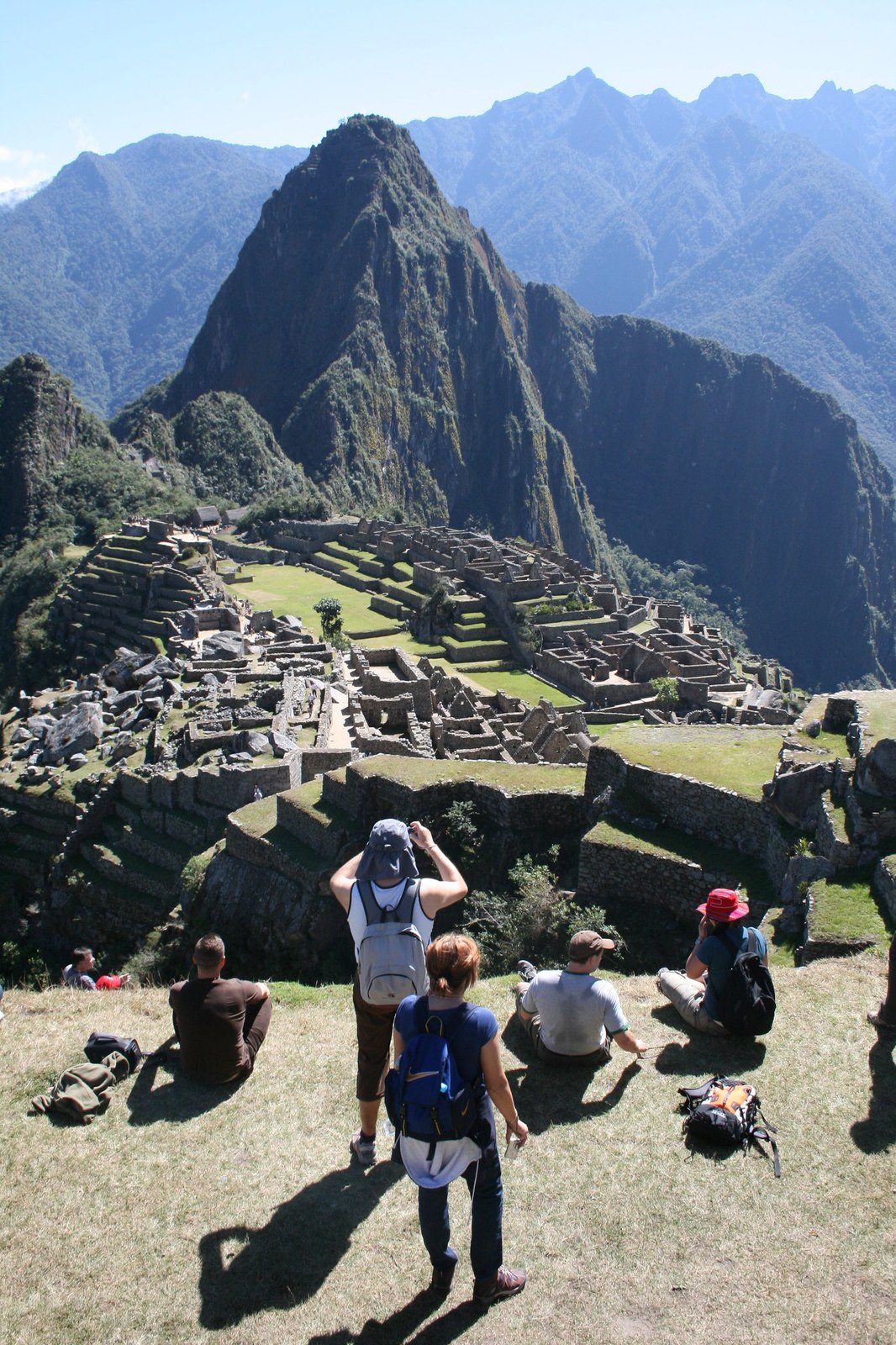
You walk slowly. You stop more than you expected. You hear people whispering, cameras clicking, someone quietly saying "wow" — and mostly, you just stand there.
Because Machu Picchu doesn't really need an explanation.
It just needs a moment.
Go early. Really early.
Yes, getting up early hurts. But this is one of those rare places where it's worth it.
The first hours are usually quieter, the light is better and there's a much better chance of seeing Machu Picchu before the crowds fully arrive. Check the current entry rules and your assigned time slot carefully — this is one place where a little planning makes a big difference.
Pack light. Really light.
The trains to Aguas Calientes allow one small bag of about 5 kg per person. Big suitcases stay at the hotel in Cusco or the Sacred Valley — better to find out before the platform than on it.
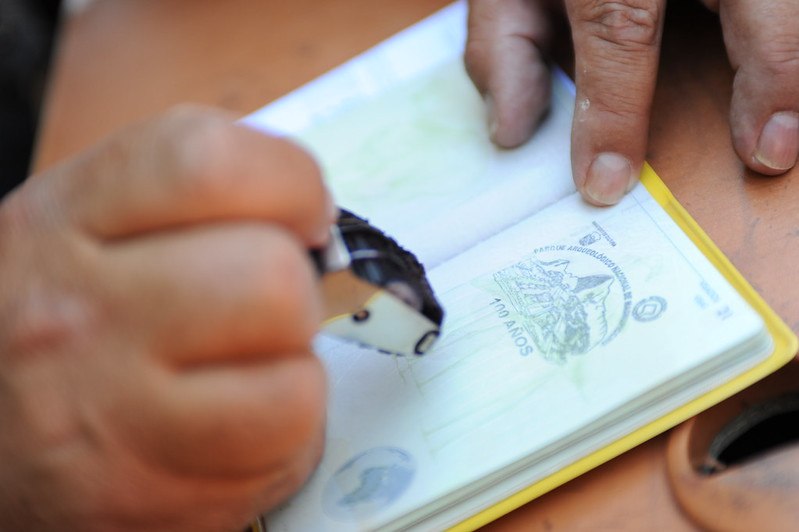
A stamp in your passport
By the entrance there's a Machu Picchu stamp you can put in your passport yourself. Unofficial, completely useless, and nobody leaves without one. Use a back page — border officers have less of a sense of humour.
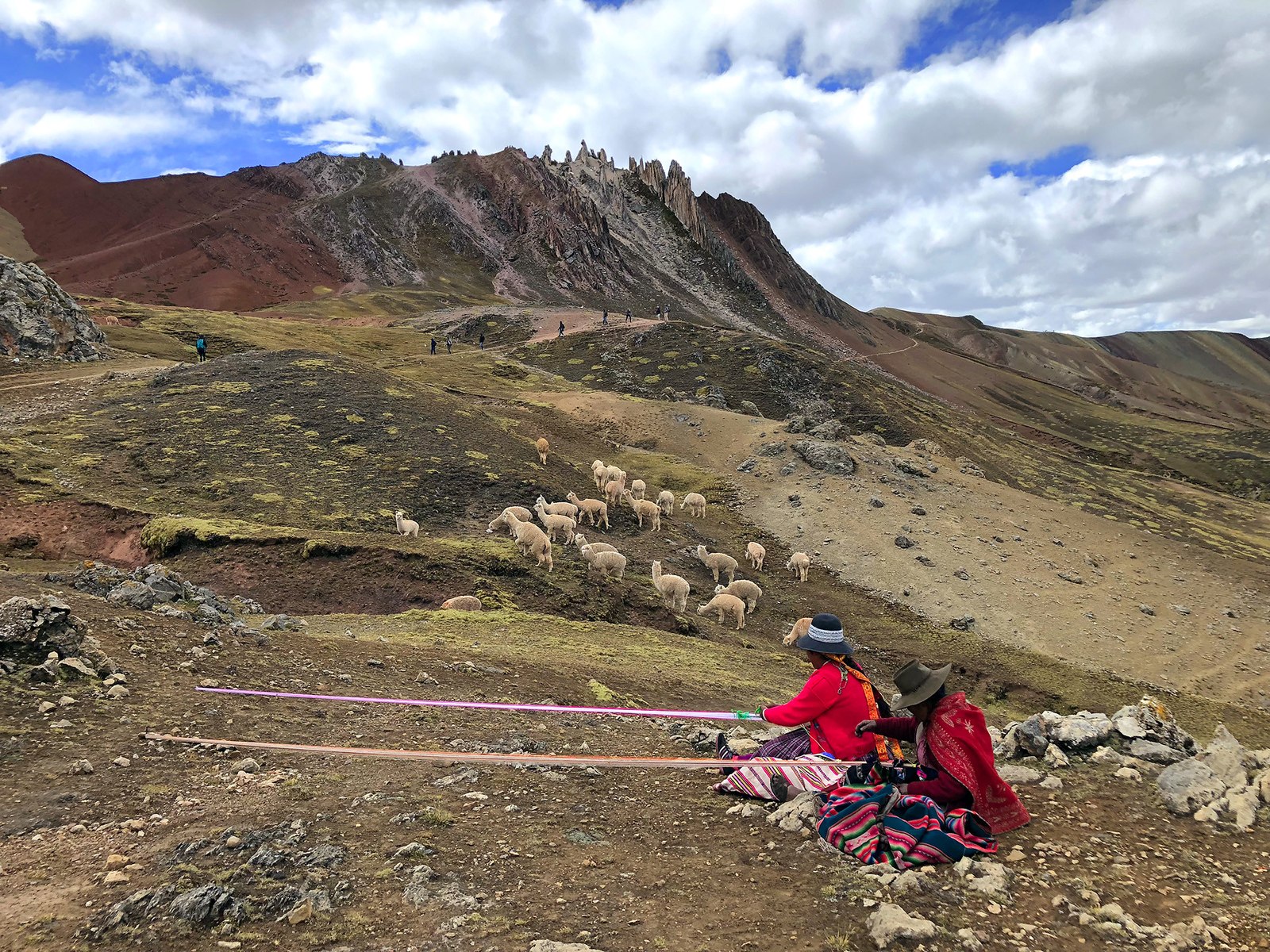
Palccoyo
Same colours. Fewer people.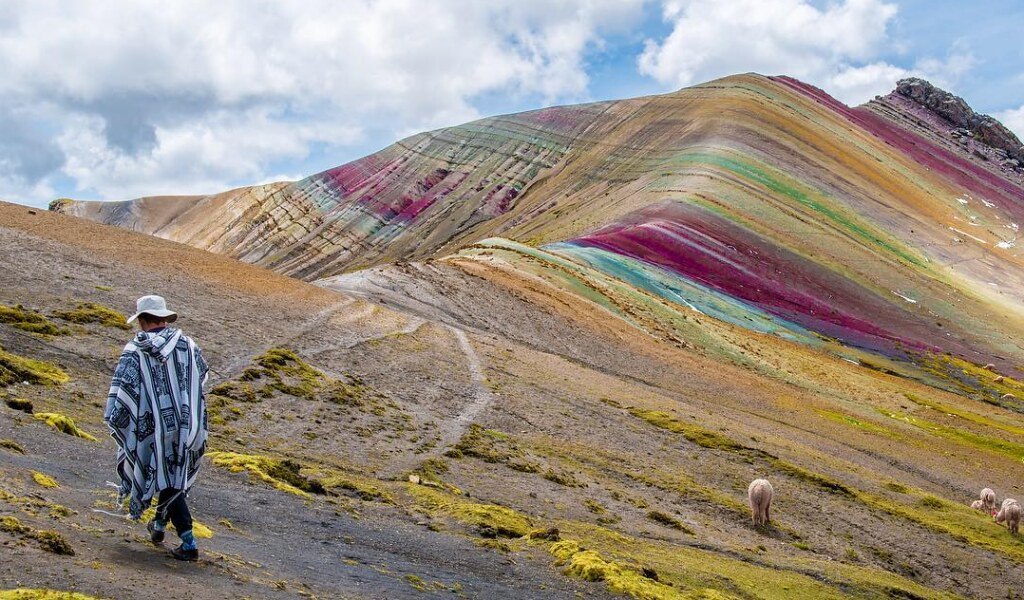
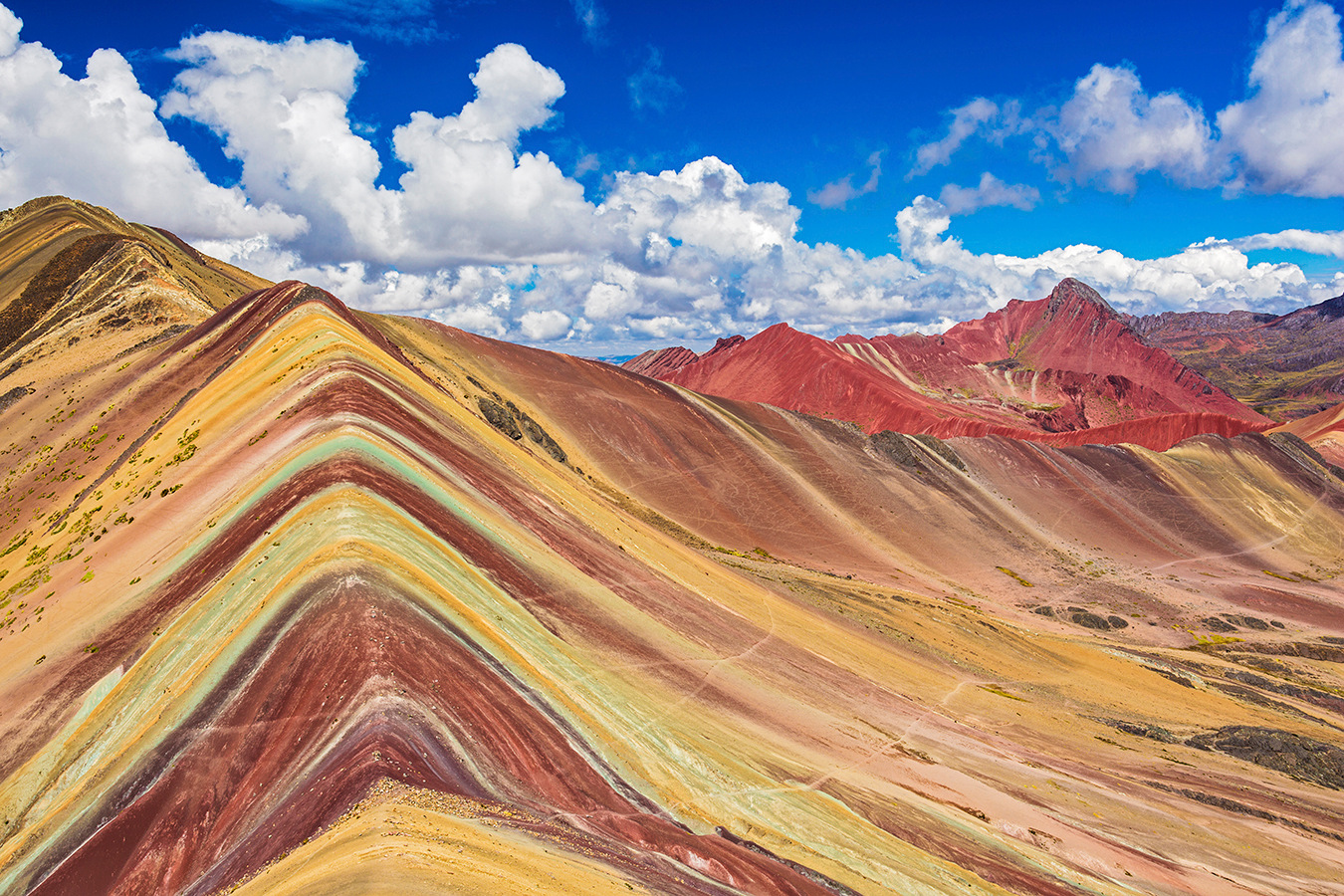
There's a good chance you've heard of Rainbow Mountain.
What you may not know is that you don't actually have to spend hours climbing one.
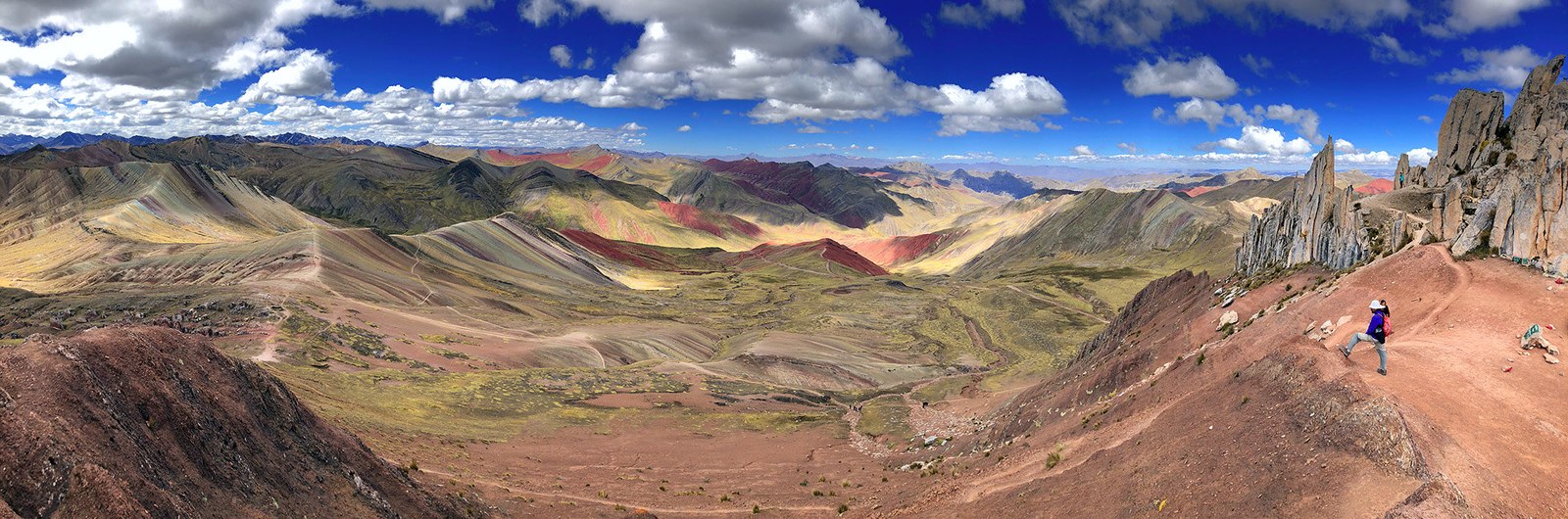
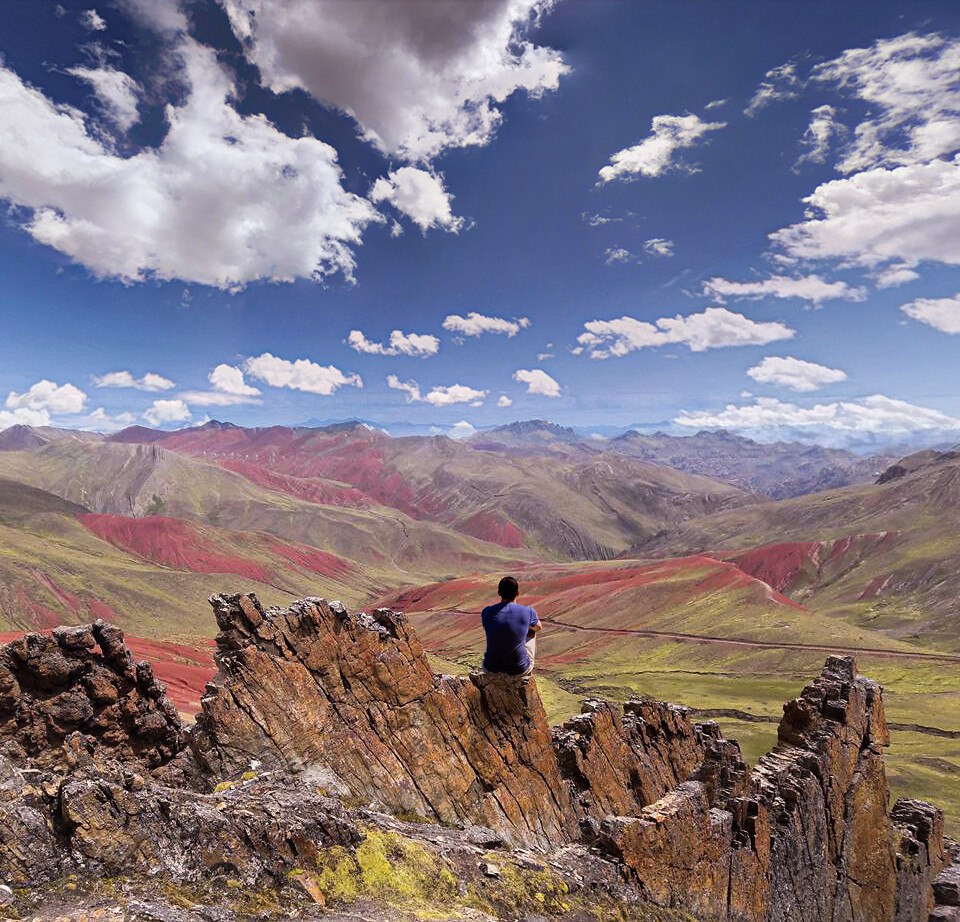
At Palccoyo, the road takes you almost all the way up — to around 4,850 metres. From there, the first rainbow mountain is about a 15-minute walk away.
The path is mostly flat. No dramatic ascent. No need to prove anything to anyone.
Just high-altitude air, enormous empty landscapes and mountains that look slightly unreal.
The full walk is around 45 minutes each way.
And if you'd rather spend your energy looking around than looking at your feet, Palccoyo is a pretty good choice.
Coca tea
Hotels pour it the moment you walk in. It sounds suspicious, tastes like ordinary herbal tea, and locals swear it helps with the altitude. Just don't take any home: in most countries, customs won't share the enthusiasm.
Bring cash
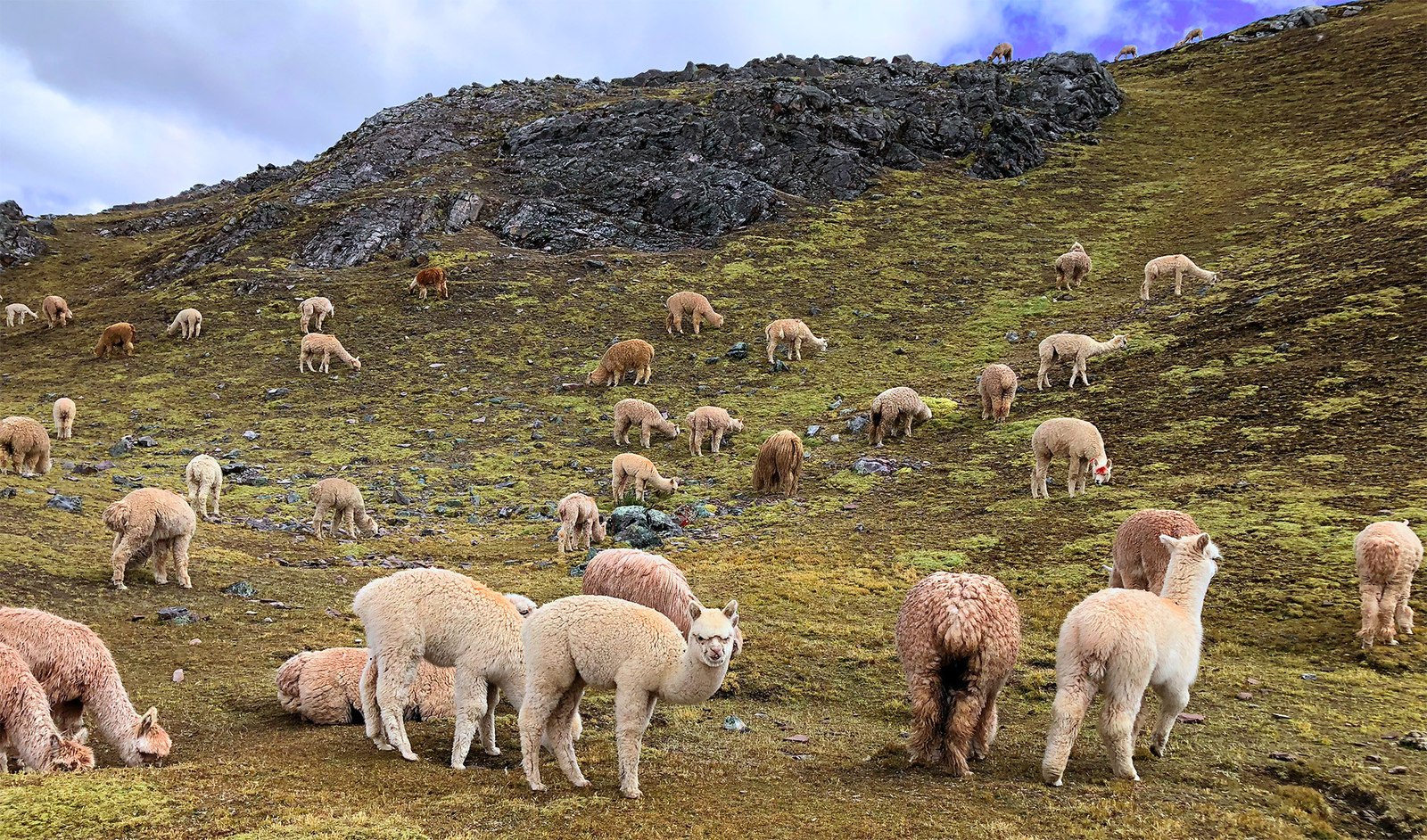
Entry is a small fee paid to the local community — in soles, and in cash. There are no card machines at 4,850 metres, and the alpacas don't take cards either.
Travelling
with a dog.
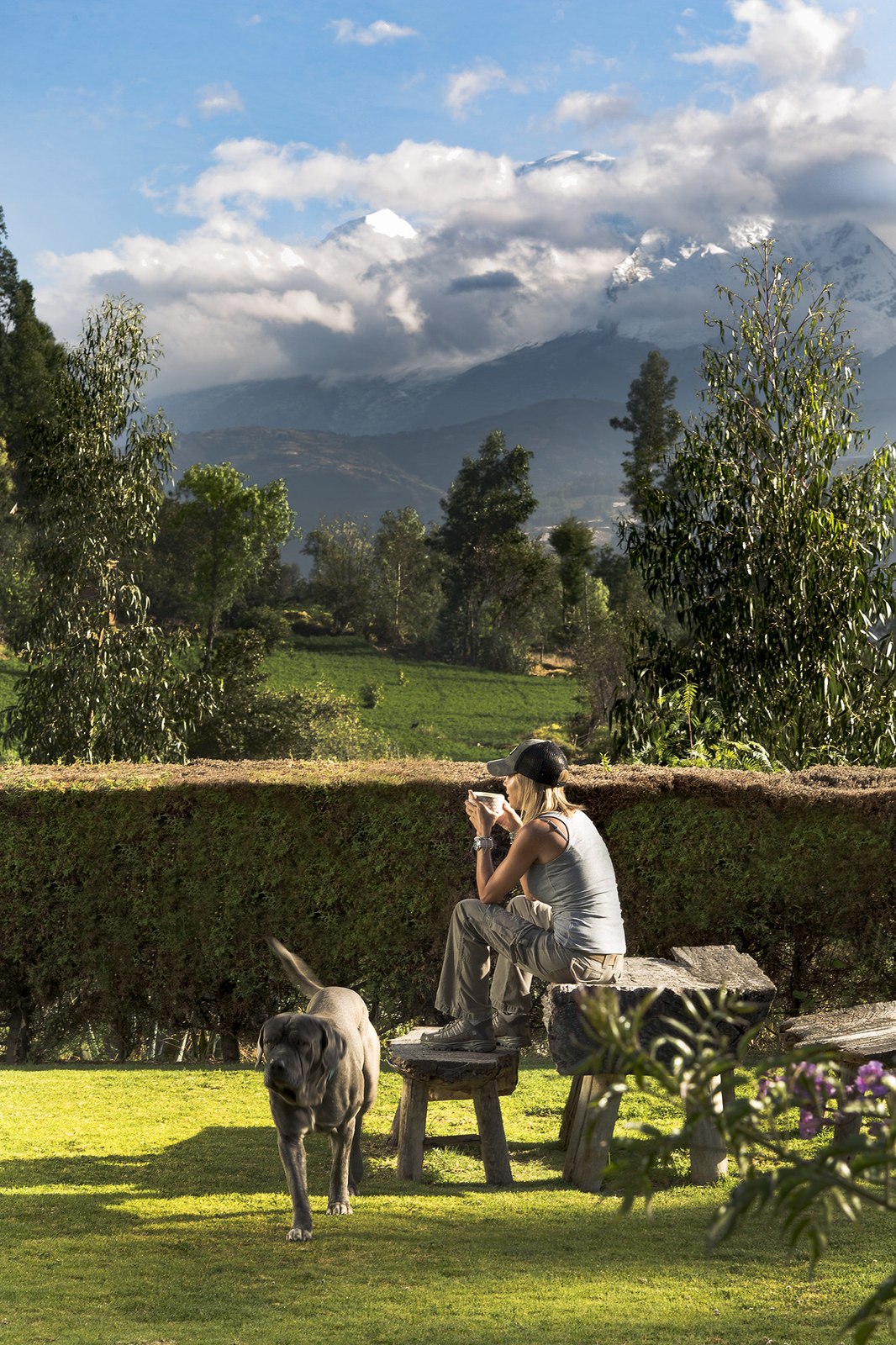
Peru isn't the easiest country to explore with a dog. Some places, including Machu Picchu, simply don't allow animals, while high-altitude destinations require you to think about your dog's breed, age and fitness.
That said, the Sacred Valley, private transfers and many hotels can work very well for travelling with a pet.
If you're planning Peru with your dog, we'll help you build the route around your dog's breed, age and individual needs — so you don't end up leaving them behind exactly when you'd rather have them with you.
Salar de Uyuni
Somewhere between real and unreal.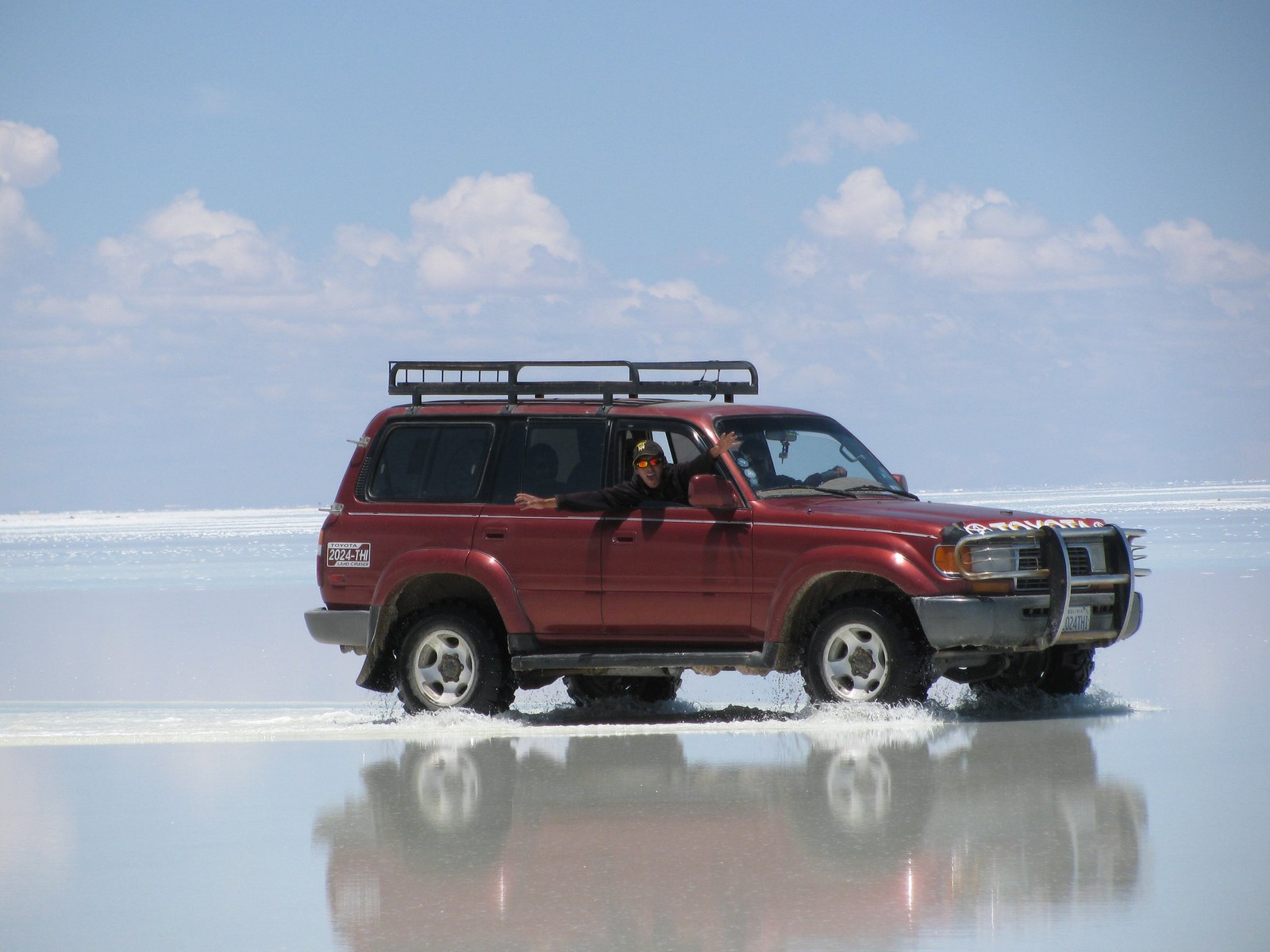
At first, it looks like snow.
Then you realise there's no snow. No road. No horizon you can quite trust.
Just white salt stretching so far that the sky and the ground seem to become the same thing.
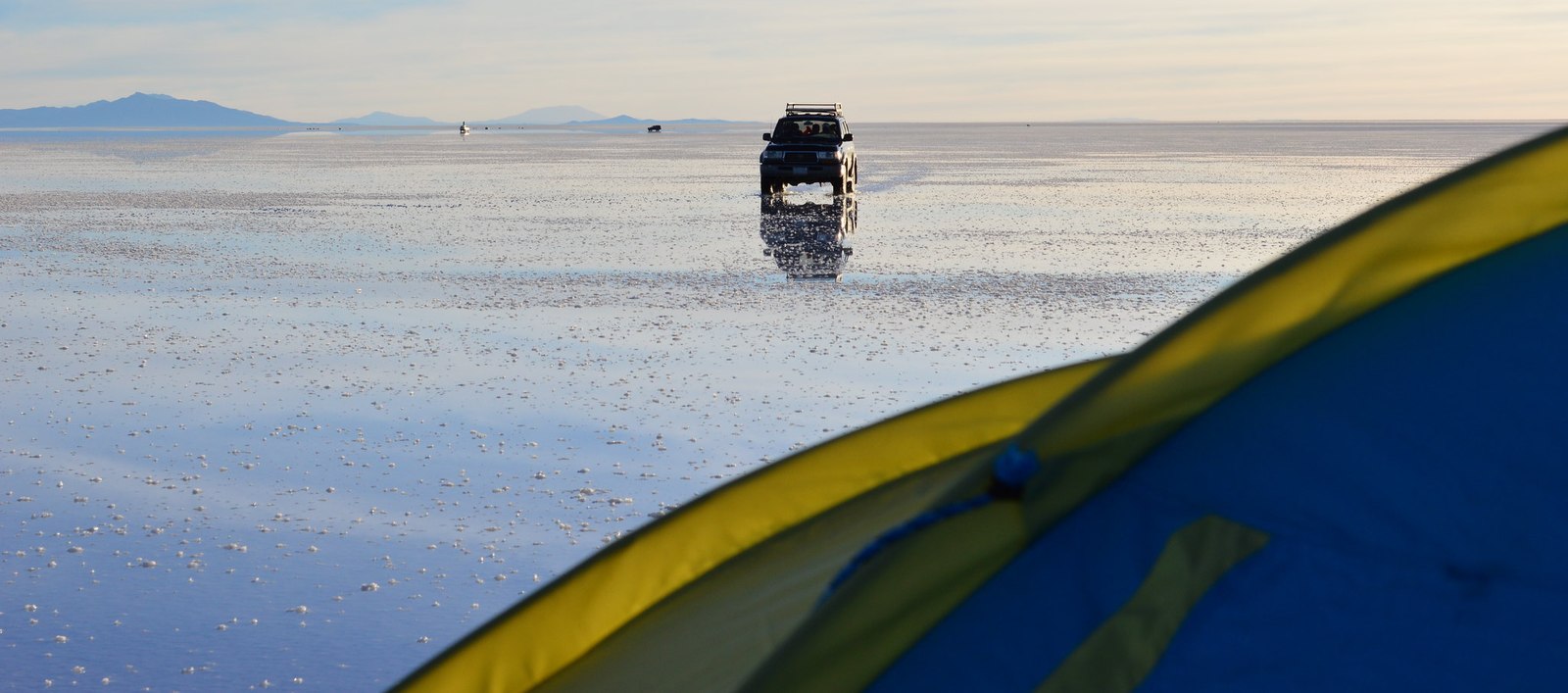
Drive for hours and the landscape barely changes. A tiny car becomes a dot. A distant island appears out of nowhere, covered in giant cacti. At sunset, the whole place turns pink, orange and gold — and then disappears into one of the clearest night skies you'll ever see.
It's strange. Completely silent. Almost impossible to photograph properly.
And for once, there's nowhere to rush to.
Just keep going.
The mirror isn't guaranteed
If you want the famous mirror effect, timing matters. After rain, a thin layer of water can turn the salt flat into a giant reflection — but conditions are never guaranteed.
If you're travelling in the dry season, don't worry. The endless white hexagonal patterns are spectacular in their own way, and the skies are often at their clearest.
Either way, bring sunglasses, sunscreen and warm layers. The sun is fierce during the day, and the temperature can drop dramatically after sunset.
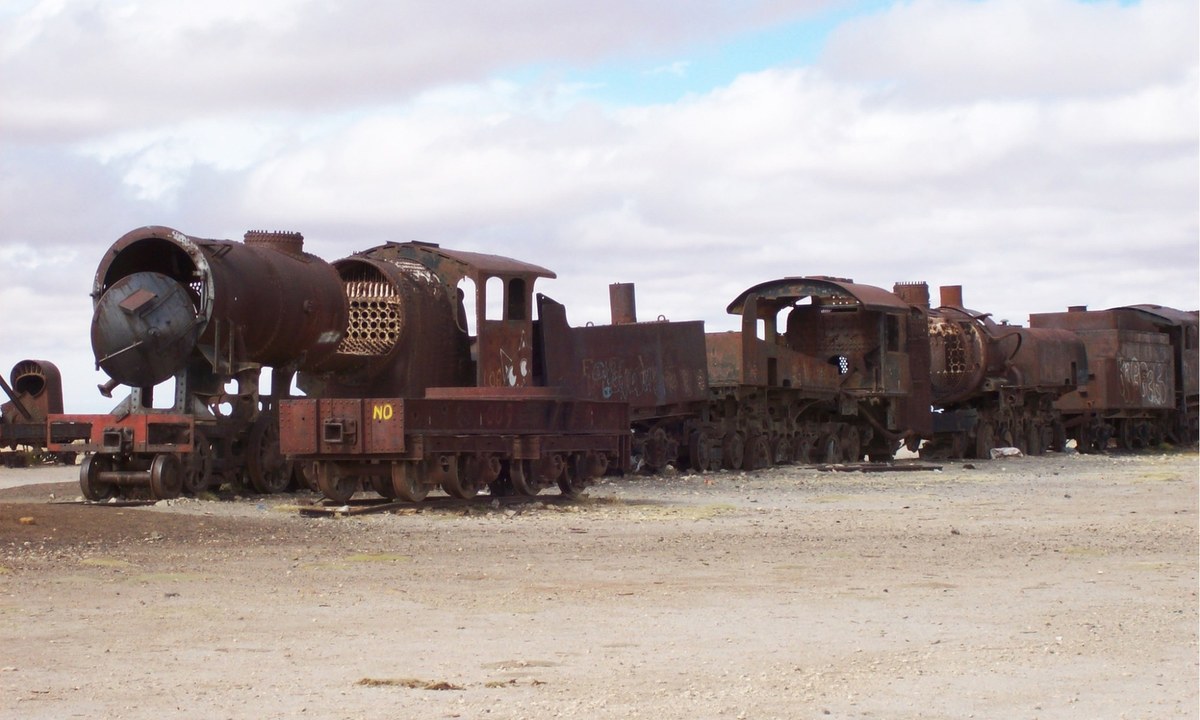 Just outside town
The train cemetery
A few kilometres from Uyuni, dozens of steam locomotives rust quietly in the desert. Most date from the early 20th century, when trains carried minerals to the Pacific coast. When mining collapsed, they were simply left here. Now they're a playground for grown-ups with cameras.
A hotel made of salt
Walls, beds, tables — all salt blocks cut from the flat. Yes, it's tempting to check. No, licking the walls isn't encouraged.
Bring a dinosaur
On the endless white, perspective disappears and small things look huge. A toy dinosaur chasing your friends is practically a local tradition. Pack one — or borrow one from your children.
South America
is yours to explore.
Peru, Bolivia — or somewhere completely different.
We can help you plan a journey across South America, from Machu Picchu and the Uyuni Salt Flats to Torres del Paine, the Atacama Desert, Iguazú Falls, Patagonia, the Galápagos Islands and the Amazon.
Choose the country, the places you want to see, or simply tell us what you're looking for. We'll work out the route, the stays, the transport and all the details around the way you want to travel.
Postcards, sent home.
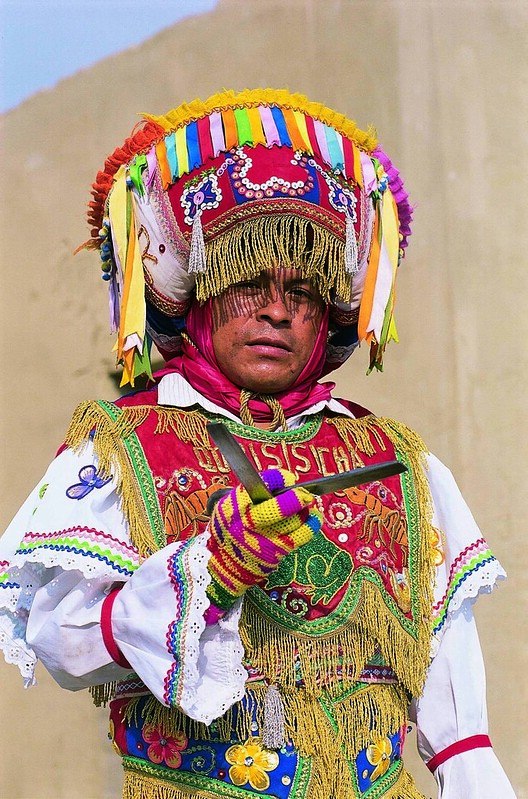
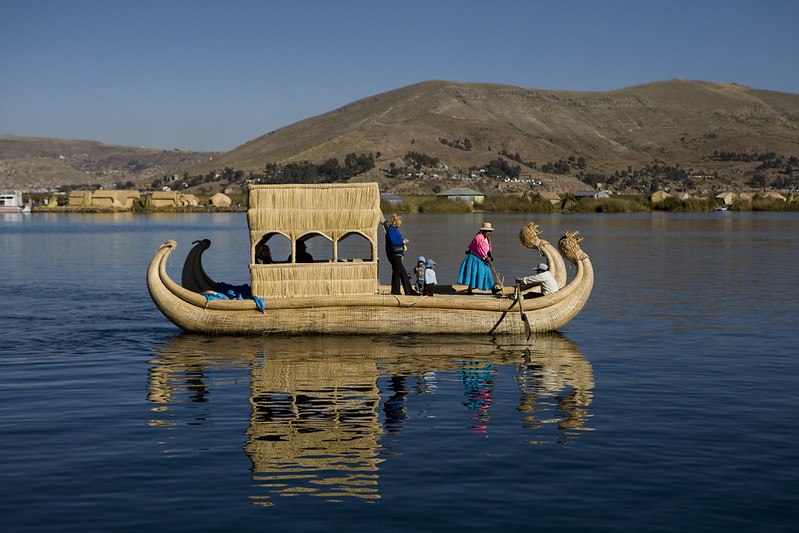
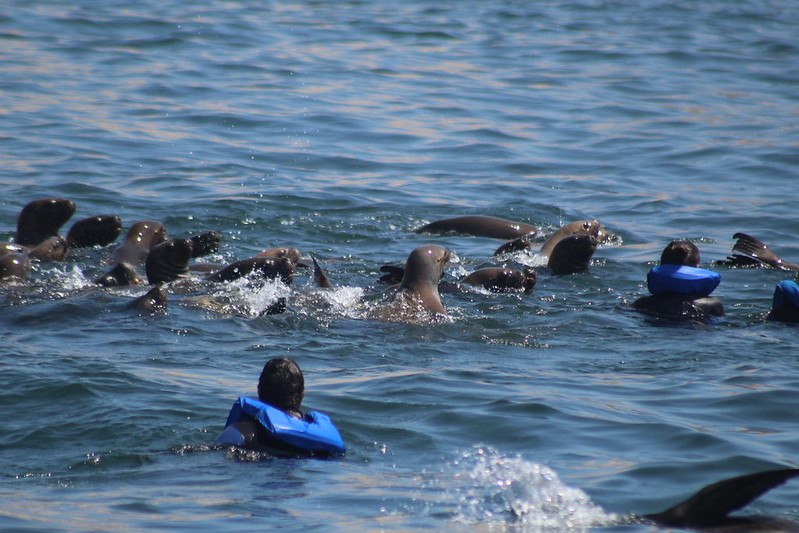
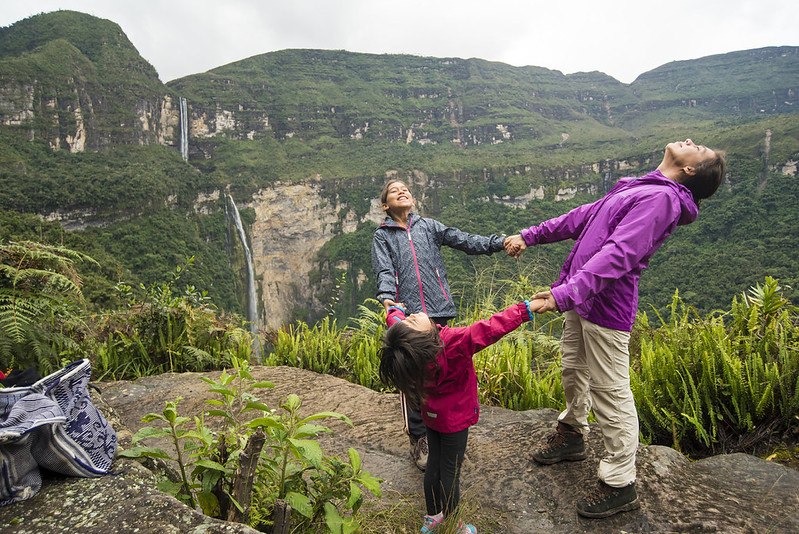
You're in
good hands.
These are complex trips, but unforgettable ones — high altitude, long distances, places that don't forgive a rushed itinerary. On the ground, our local partners handle the details that matter most: permits, timed entry, altitude, transfers between the places that make a trip like this work.
Real people, looking after you, every step of the way.
Describe your
dream getaway.
Tell us where, when and who's coming (paws included) — real people reply, usually within a day.
Where to next?
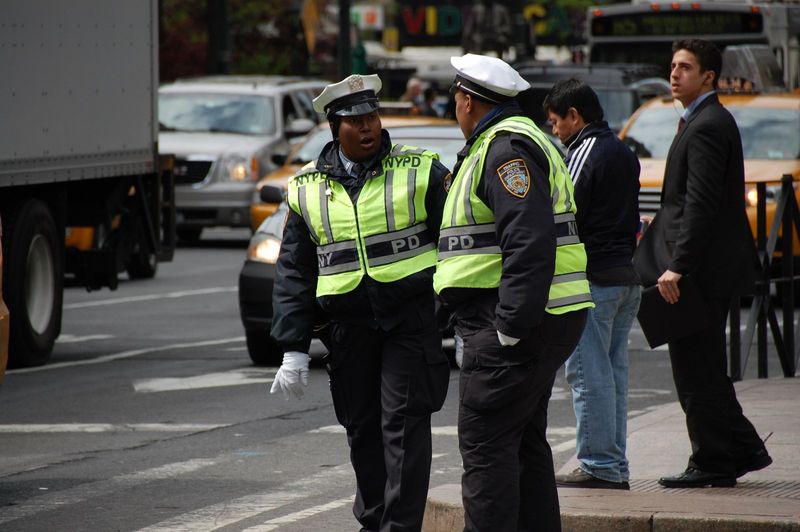
The Real Thing
America through a traveler's eyes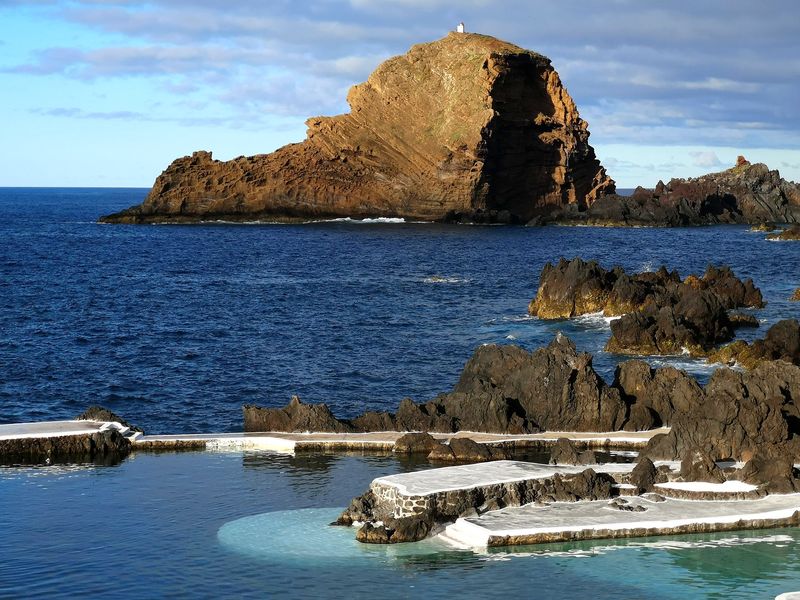
The Edge of Europe
Madeira & Iceland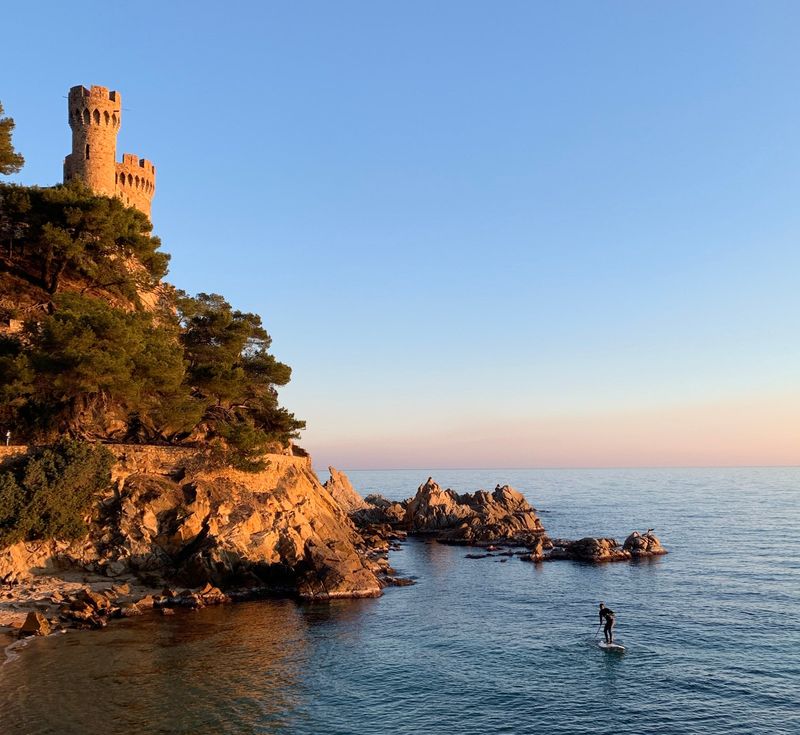
History Meets the Horizon
Dalí, medieval towns and hidden coves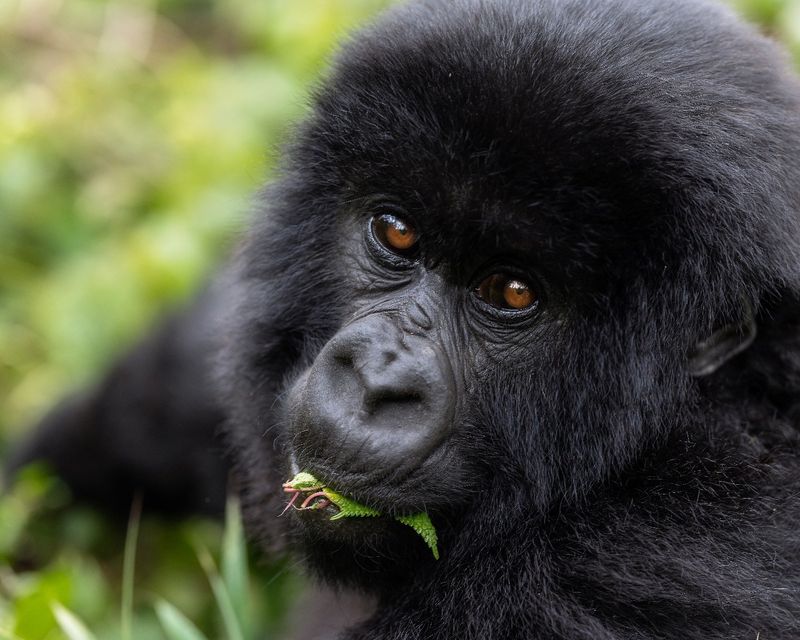
The Grand Expedition
Mountain gorillas in Rwanda