welldone.cat
EN·ES·CA·RU
WellDone/Destinations/USA
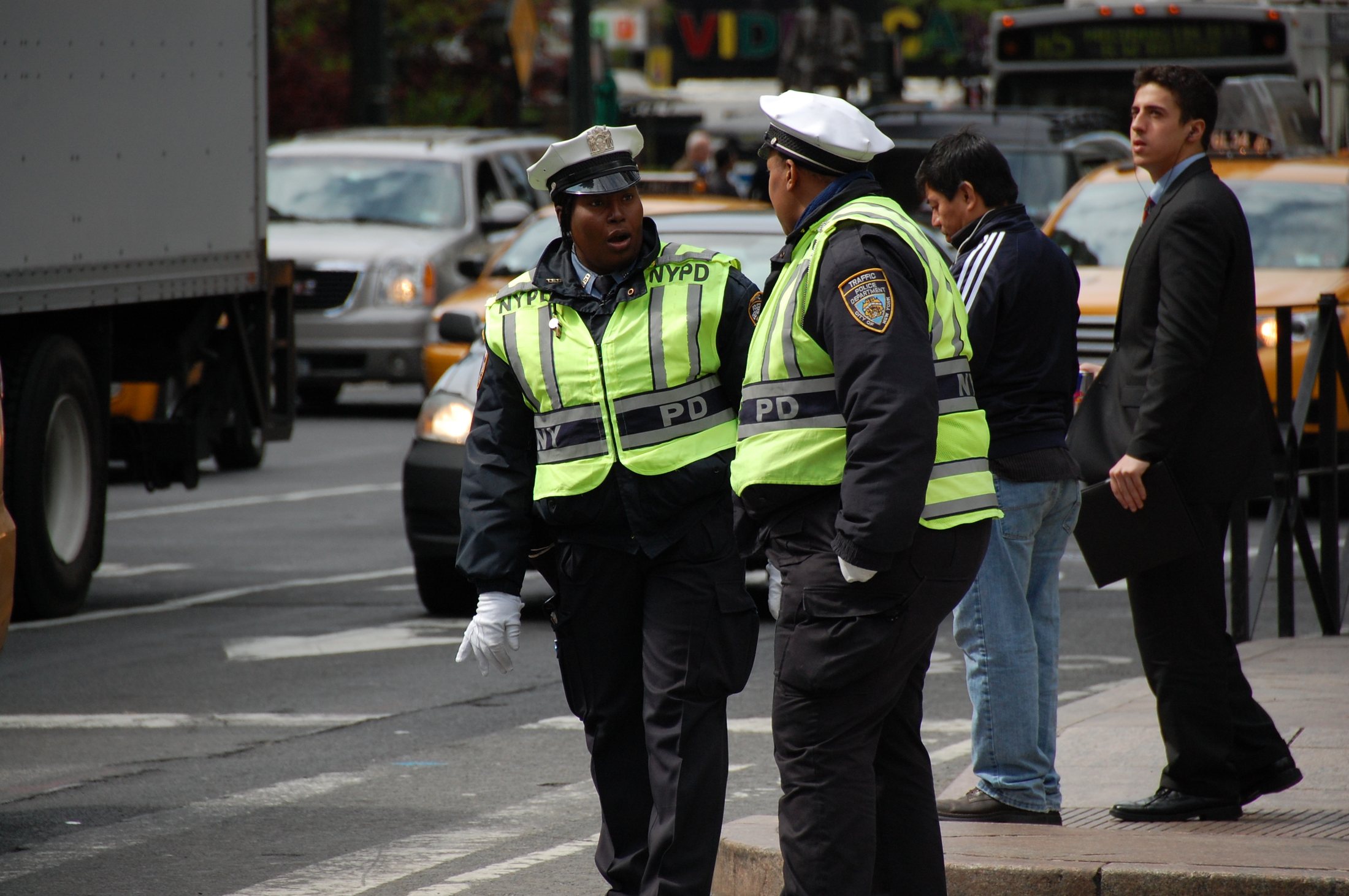
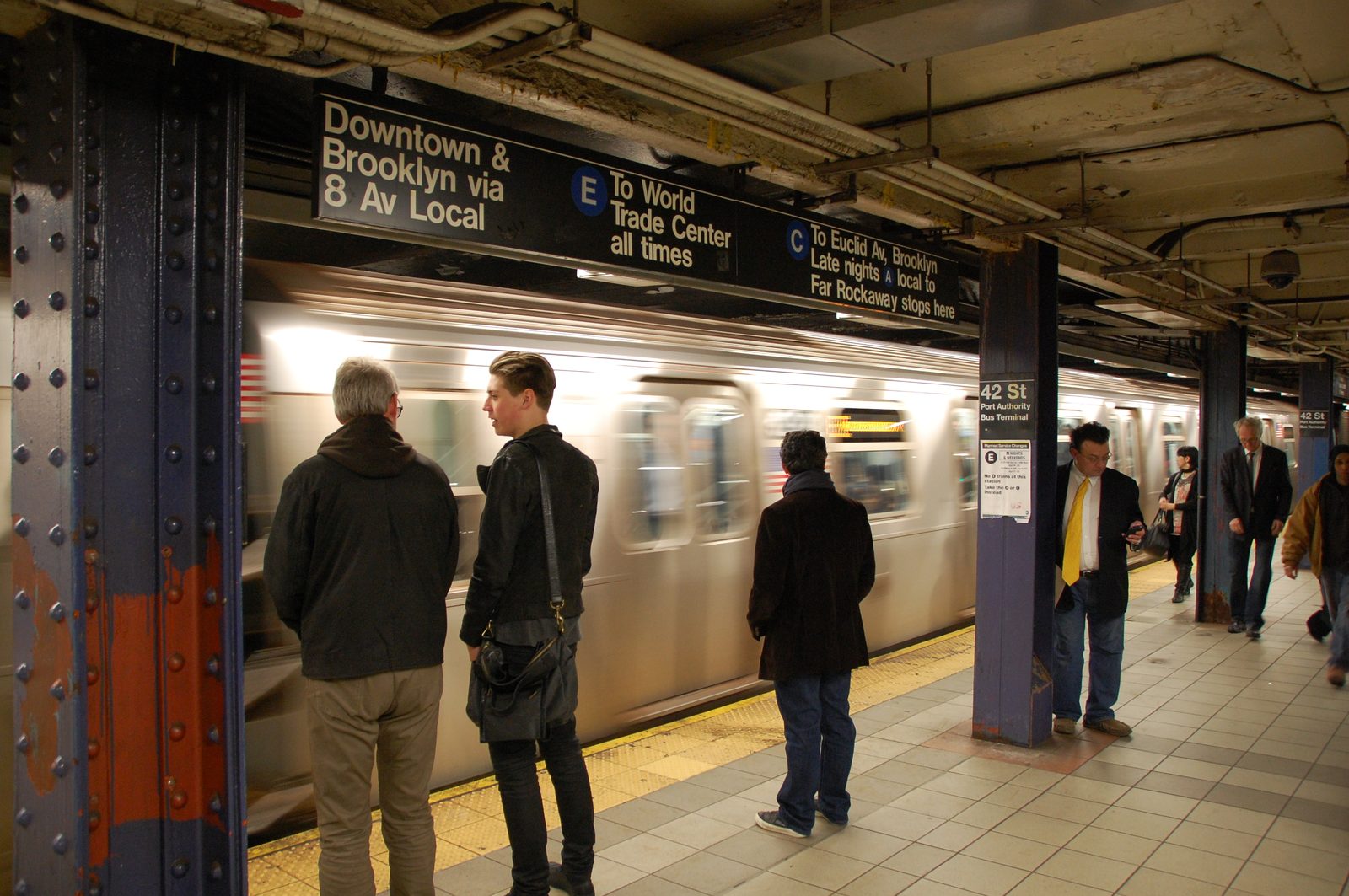
Two NYPD traffic officers talking on a busy New York City street corner
America

The real thing.

America through a traveler's eyes.

Plan my trip to the USA

Most of us think we already know America. We've seen it for years — in movies, on Instagram, in other people's photographs — until someone else's version starts to feel like our own memory.

But that isn't America. It's just the version we've been shown.

We'd rather show you the real thing: the people you meet, the places you almost miss, the unexpected stops, the great little diners, the long roads and the moments that were never meant for Instagram.

And we build the journey around you — including a budget that actually makes sense for you. Because a great trip doesn't have to look expensive on a screen. It just has to feel right when you're there.

All the photos on this page were taken by our clients—moments of pure joy and real emotions they are sharing with you.

01

New York

Not the postcard — the city as it actually feels.
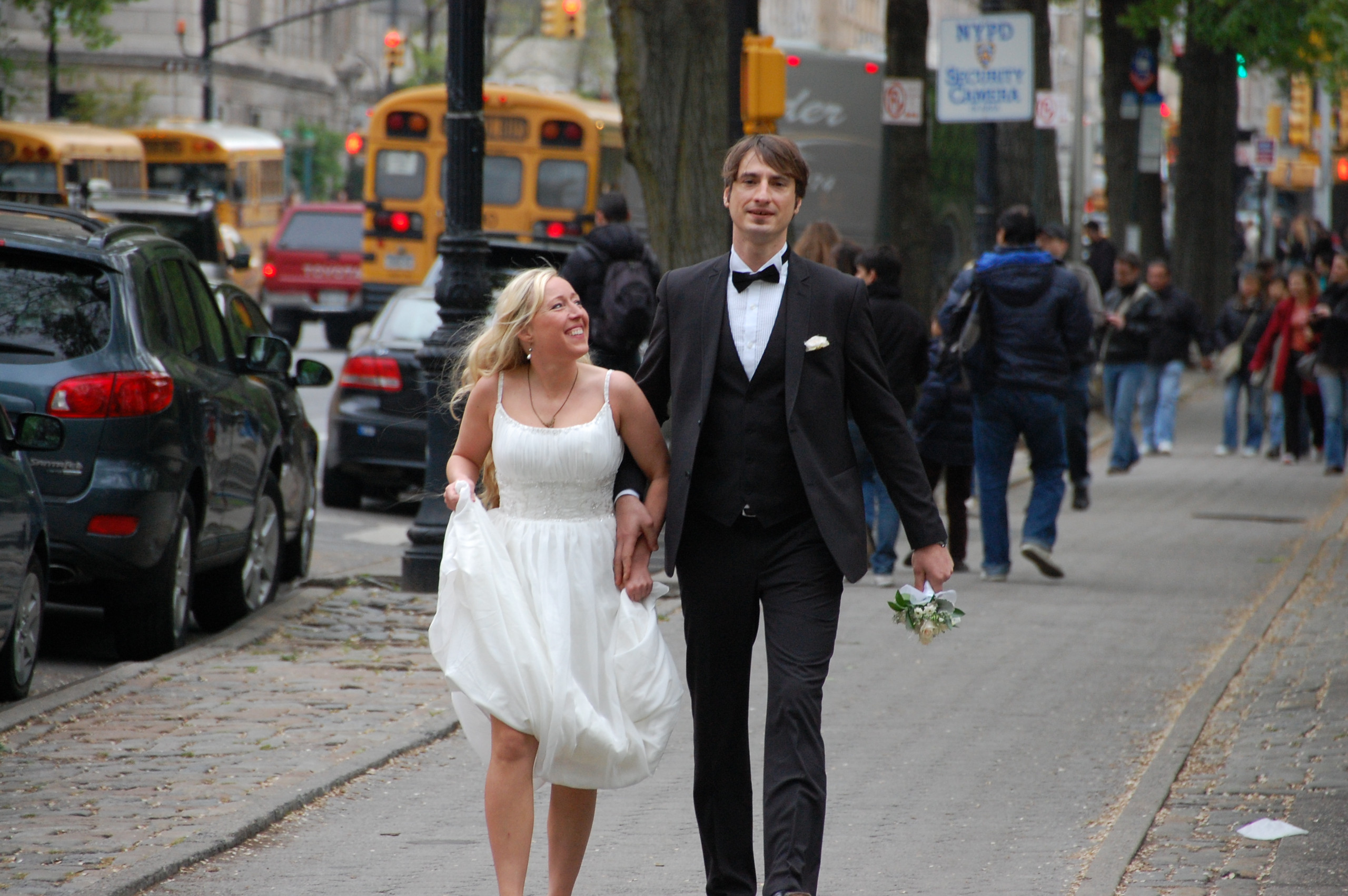
A bride and groom laughing at each other while walking down a New York street past yellow school buses

New York is loud. Fast. Crowded. A little exhausting, actually.

You walk more than you thought you would. You drink too much coffee. You get on the wrong subway. You eat something standing up. You look up between the buildings and suddenly remember why you came.

There are the big moments, of course. The skyline. Central Park. The lights. But somehow, the things that stay with you are smaller — a stranger making you laugh, music coming from an open window, a tiny bar you found by accident, the city still wide awake when you thought everyone should be asleep.

And then you leave.

For a few days, you're happy to be somewhere quieter. Then you look through your photos.

And there it is again.

That feeling.

Maybe you should have stayed a little longer.

Don't try to live like a New Yorker

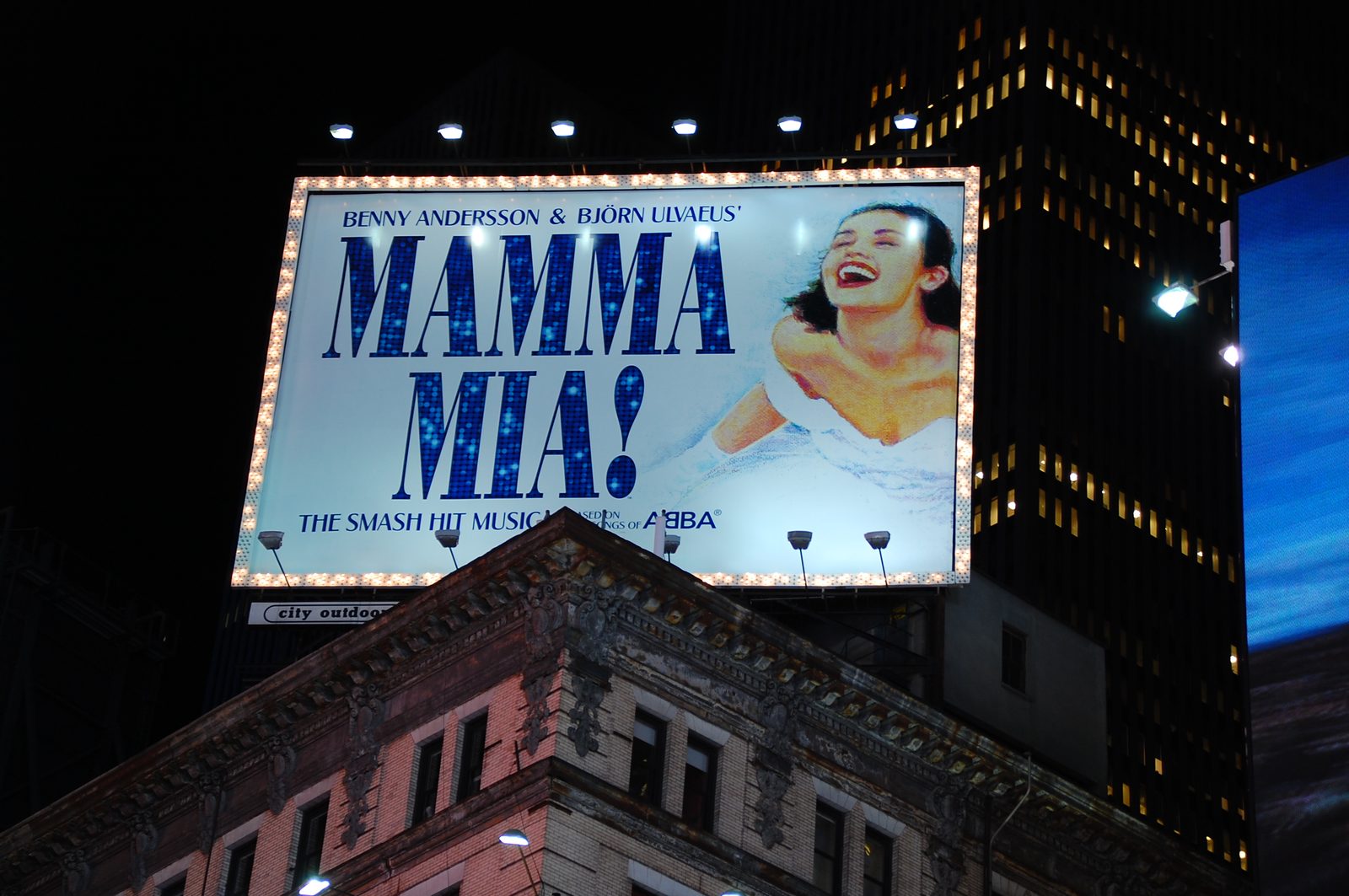
New Yorkers themselves will often tell you: don't try to "live like a local." You're a tourist. And that's perfectly fine. Go to Broadway. Walk through Central Park. Head up to a viewpoint. Spend an afternoon in a museum. There's nothing wrong with doing the things everyone else does.

Just don't plan every minute of your day.

Walk the High Line early in the morning. Take the Staten Island Ferry. Wander around Jackson Heights or Astoria. Walk into a place simply because you like the look of it. Leave at least one day completely open.

And don't get too obsessed with "secret spots". New York changes faster than any guidebook can keep up with. A place nobody had heard of yesterday can be all over TikTok today, with a line halfway down the block.

You don't have to know New York like a local. Sometimes it's enough to just pay attention to what's happening around you.

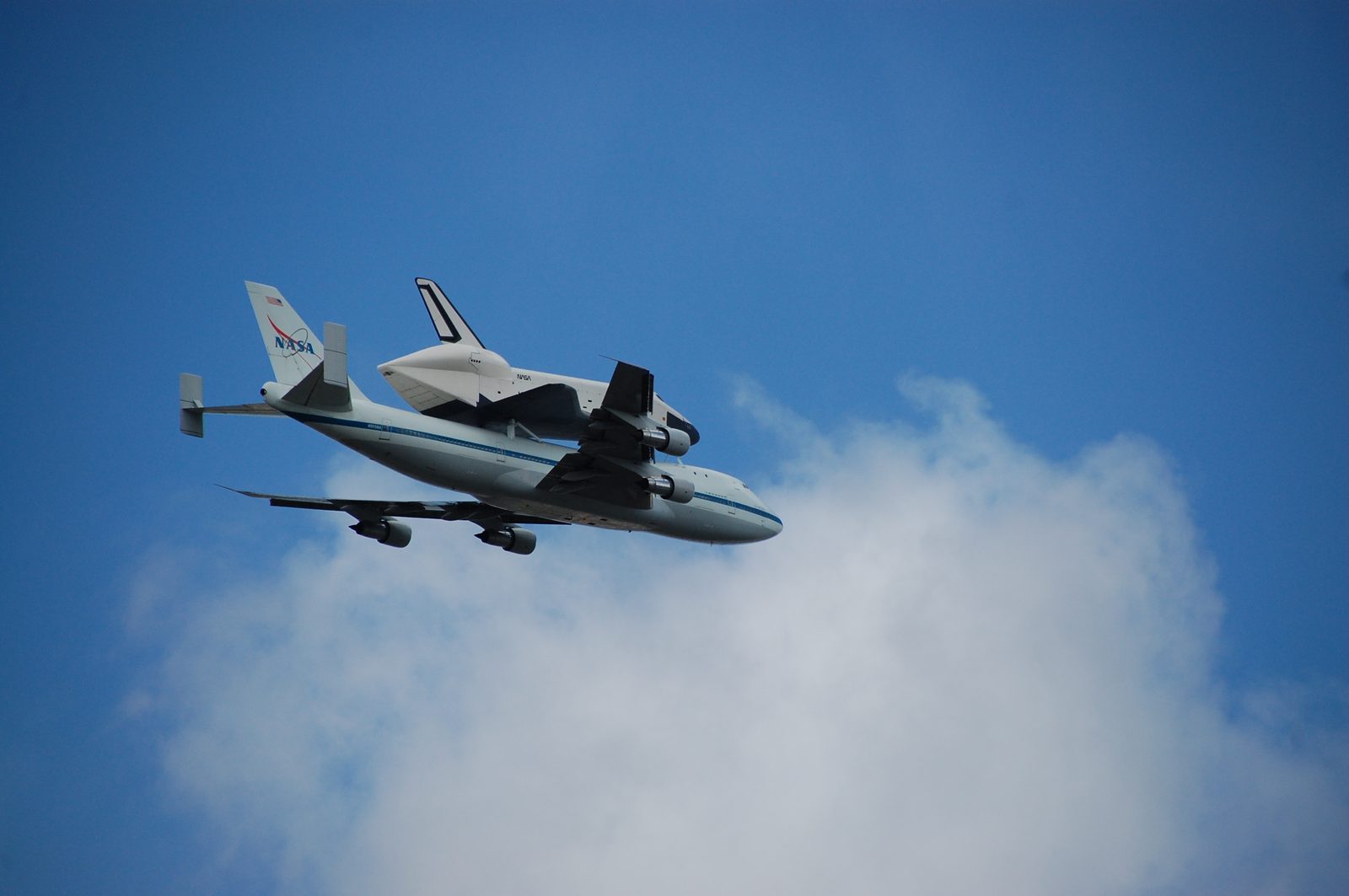
A NASA 747 carrying the Space Shuttle Enterprise flying over New York Look up

A space shuttle, passing by

Yes, that's a real Space Shuttle — Enterprise, riding on the back of a Boeing 747 over New York in 2012, on its way to a new home. Our clients happened to look up at exactly the right moment. Today it lives on the deck of the Intrepid, an aircraft carrier turned museum on the West Side.

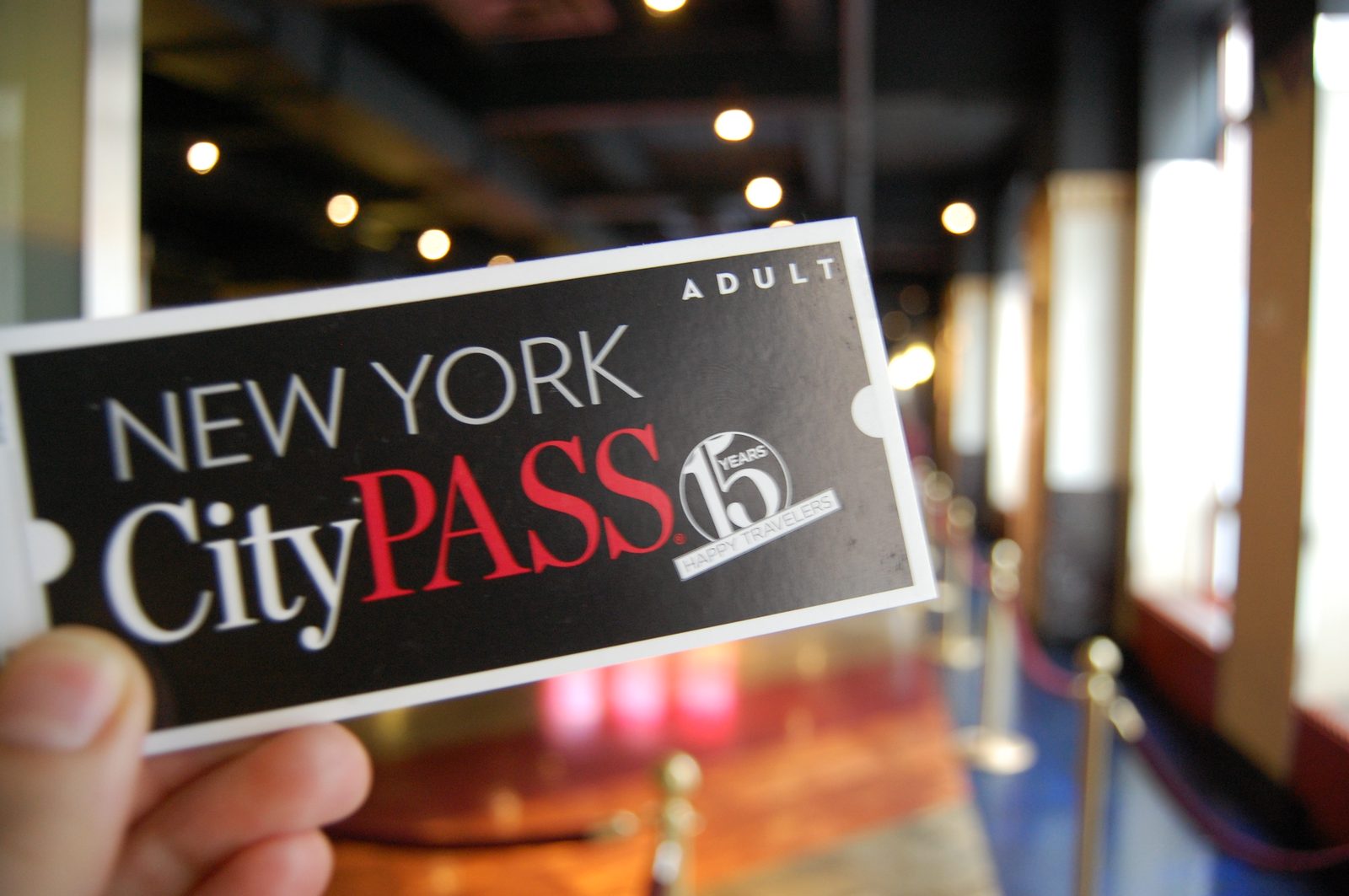
A hand holding up a New York CityPASS ticket Money-saving tip

CityPASS

One ticket for several of the big sights — observation decks, museums, a harbour cruise — for noticeably less than buying them one by one. Worth it if you were going anyway. Not worth it as a reason to go.

Good to know

Tipping

In restaurants and bars it isn't really optional: 18–20% on top of the bill is normal, and menu prices don't include sales tax either. Count on it in advance, and the bill won't come as a surprise.

02

Philadelphia

It's not the prettiest city. It doesn't need to be.
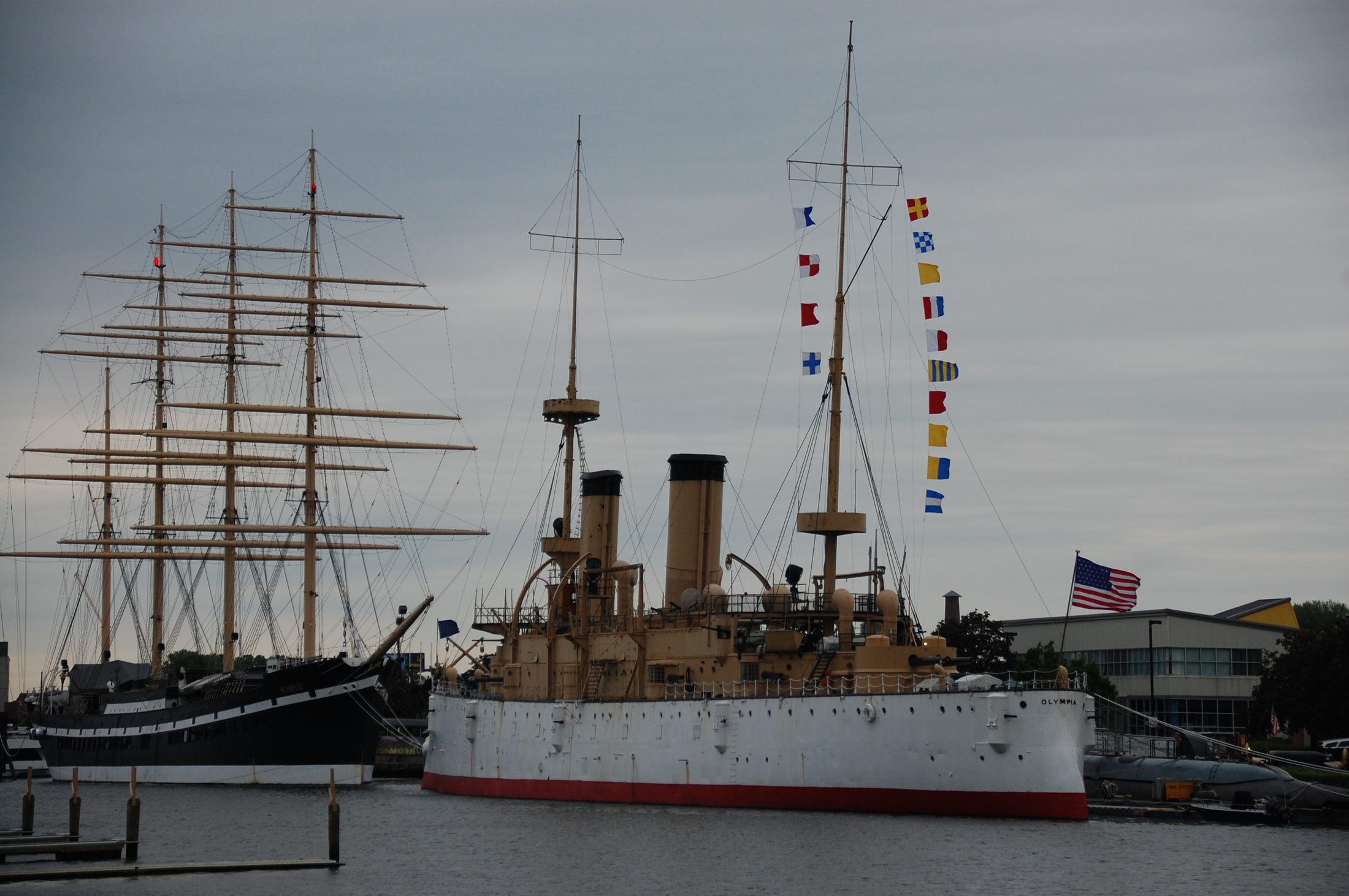
Historic tall ships and the cruiser Olympia moored at the Independence Seaport Museum at dusk

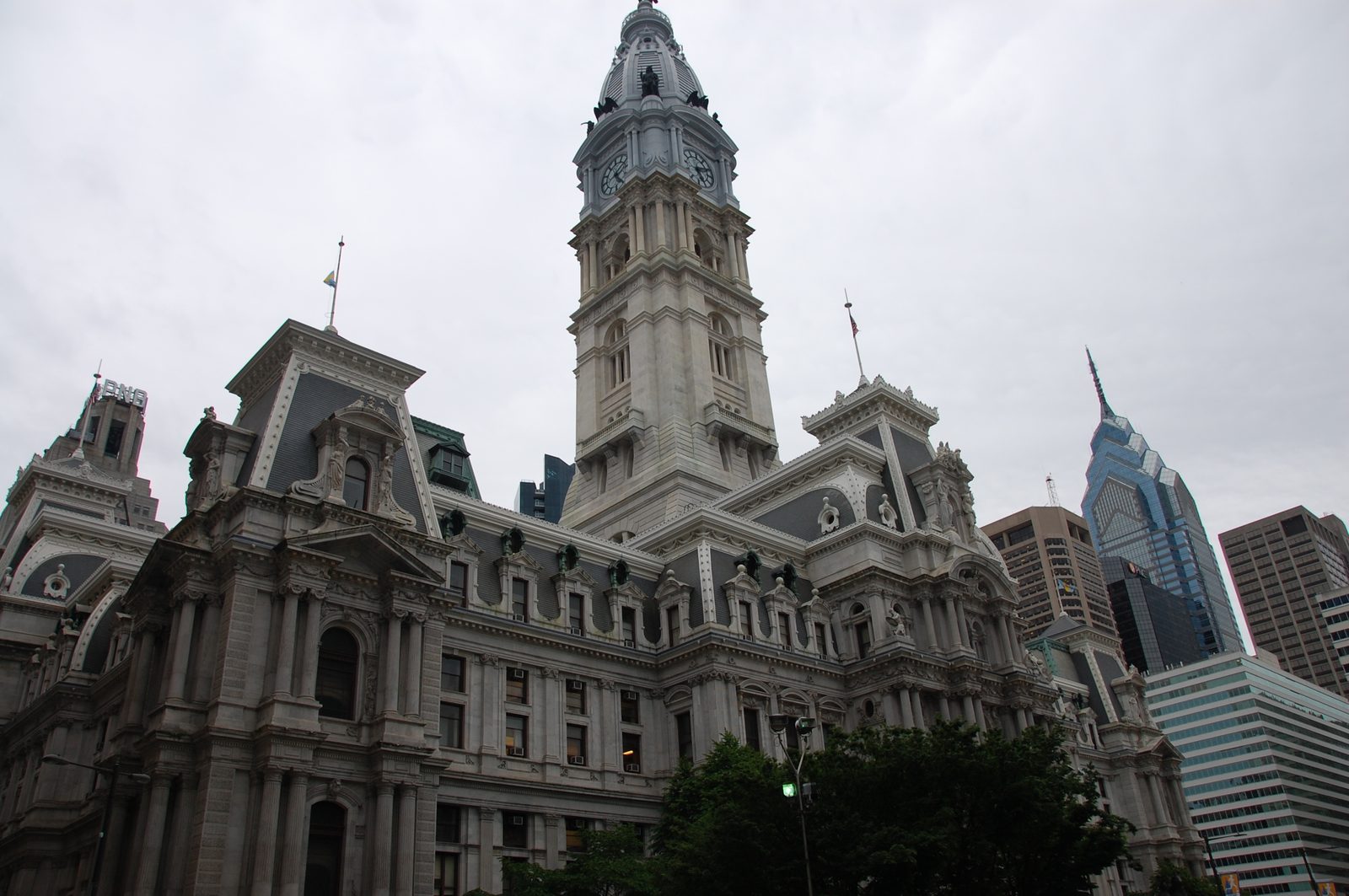
Philadelphia doesn't seem particularly interested in impressing you.

The streets can be a little rough around the edges. The buildings don't always match. People have strong opinions about food, sports, neighbourhoods — and especially cheesesteaks.

And that's part of what makes the city interesting.

Walk through the Italian Market. Get lost among the row houses. Stop for a drink somewhere that looks like it's been there forever. Find the murals, the little cafés, the neighbourhood bars. Eat something you didn't plan on eating.

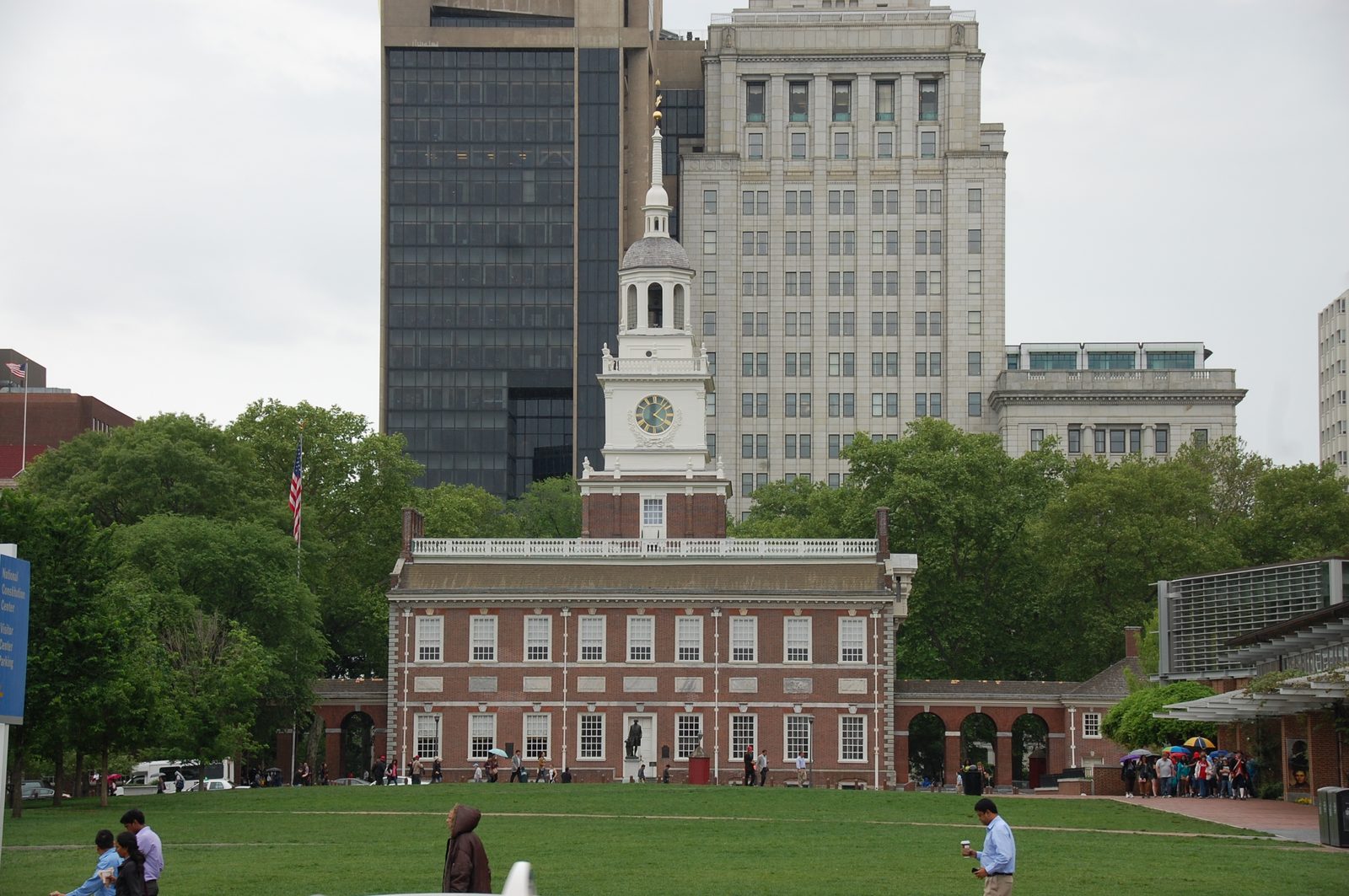
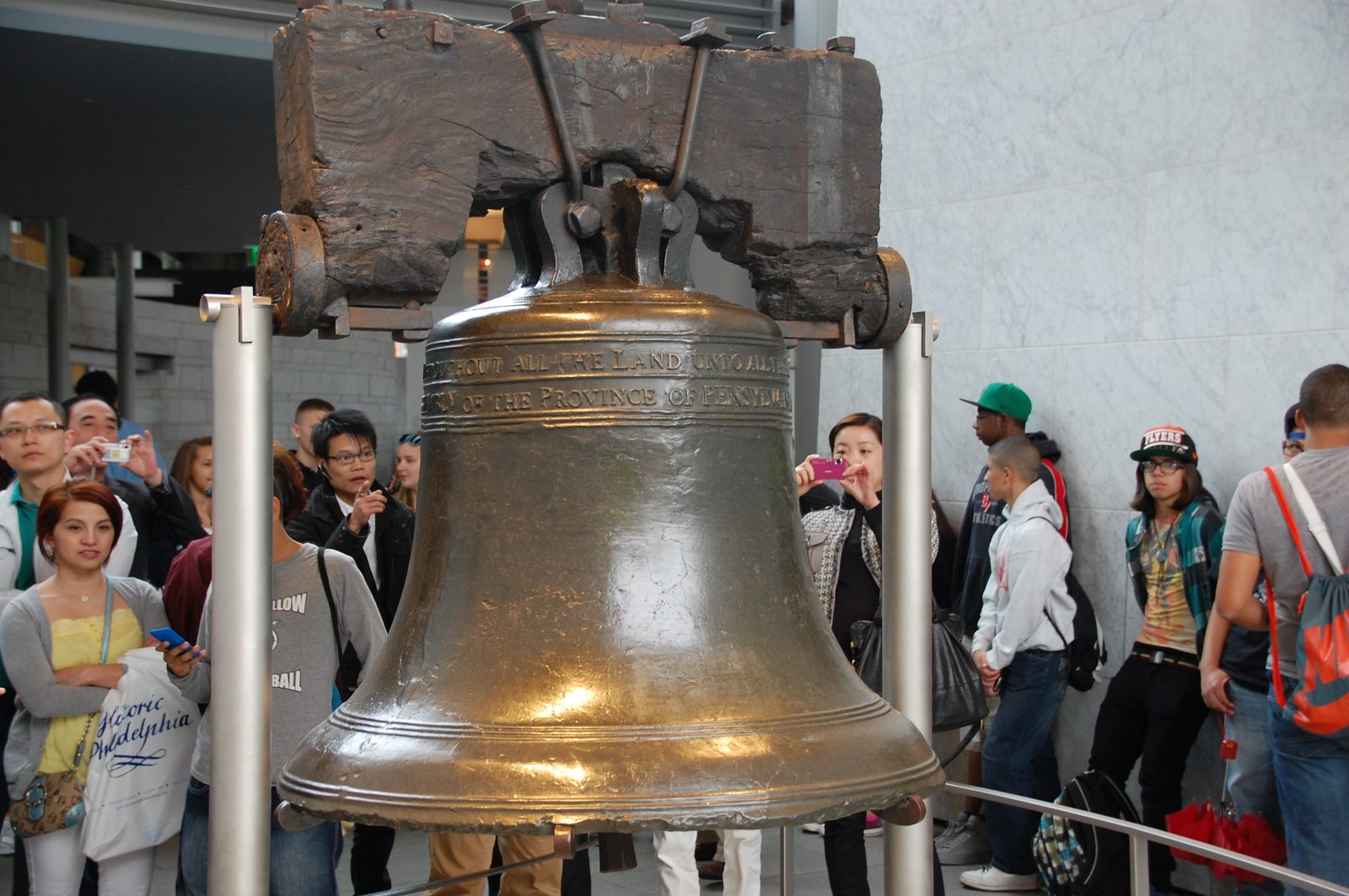
Of course, there's history everywhere — Independence Hall, the Liberty Bell, the old streets of the city centre. Go see them. You're allowed to be a tourist here too.

But give Philadelphia a little time beyond the obvious places.

It's not the prettiest American city. It doesn't need to be.

After a day or two, you might find yourself liking it precisely because it feels real.

Philadelphia looks a little rough around the edges

It also happens to be where modern America began.

The Declaration of Independence was signed here. The Constitution was written here. Lincoln stopped at Independence Hall on his way to Washington — and later came back through Philadelphia in a coffin.

But Philadelphia is much stranger than its history books.

You can spend an afternoon at Eastern State Penitentiary — a prison that once inspired prisons all over the world, and is now one of the strangest museums in America.

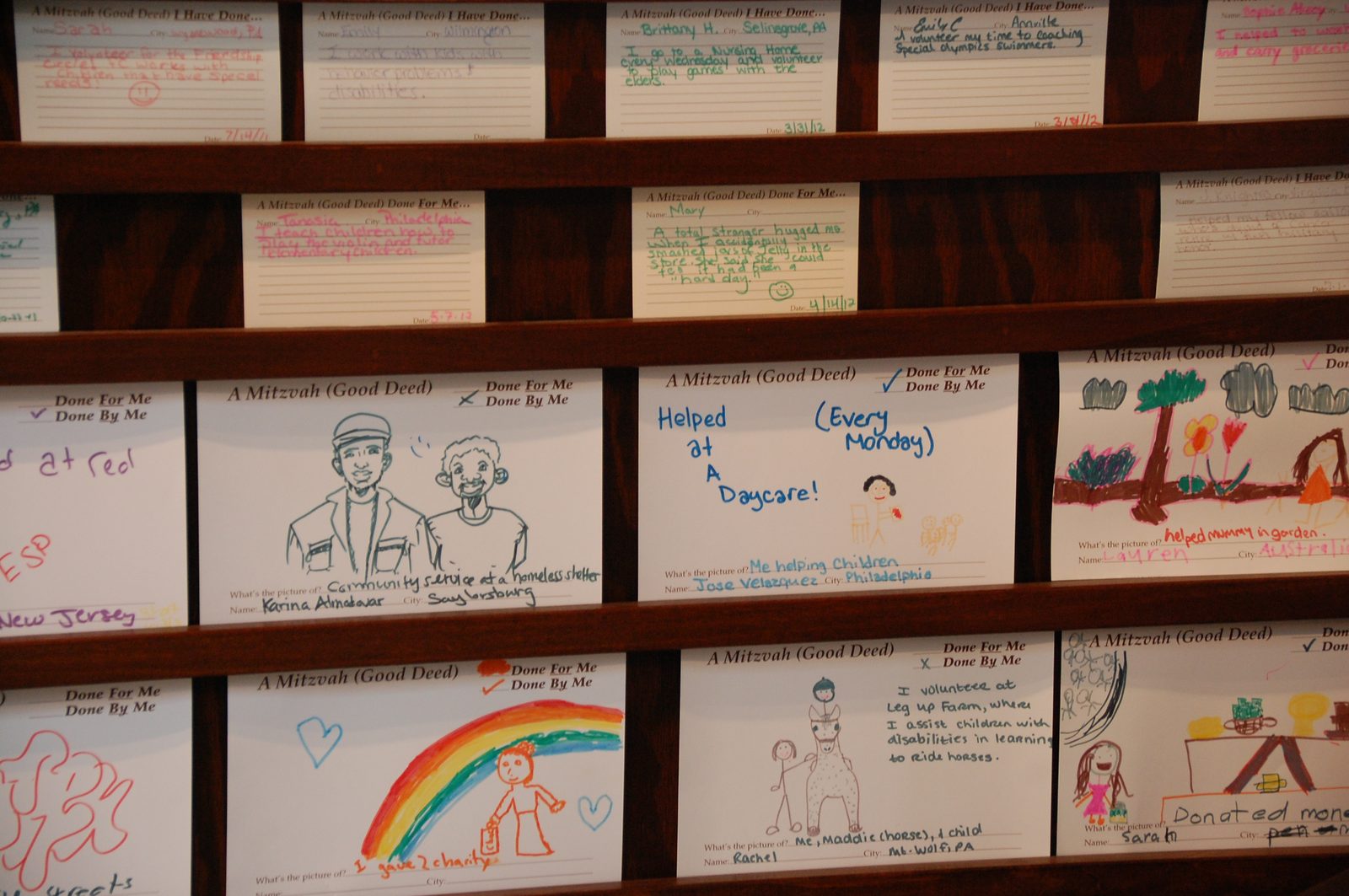
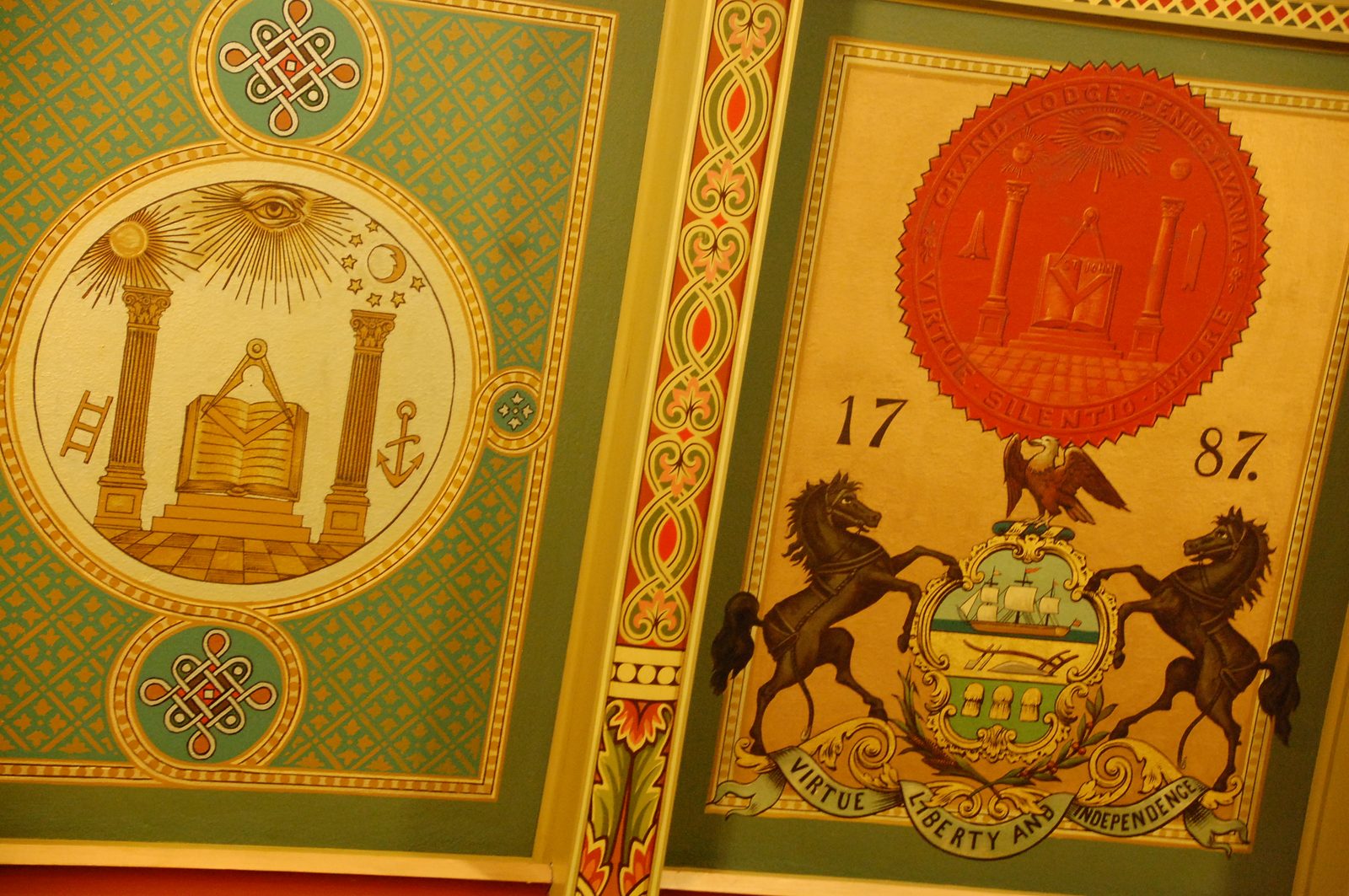
Then there's the Masonic Temple, the Italian Market, endless murals, old row houses and neighbourhood bars. And if the streets start looking familiar, they might be — Philadelphia features prominently in National Treasure. Watch it before you go. (National Treasure, 2004, dir. Jon Turteltaub.)

Philadelphia doesn't polish everything for you.

It gives you history, weird stories, great food and a city that still feels like people actually live there.

Which, frankly, is why we like it.

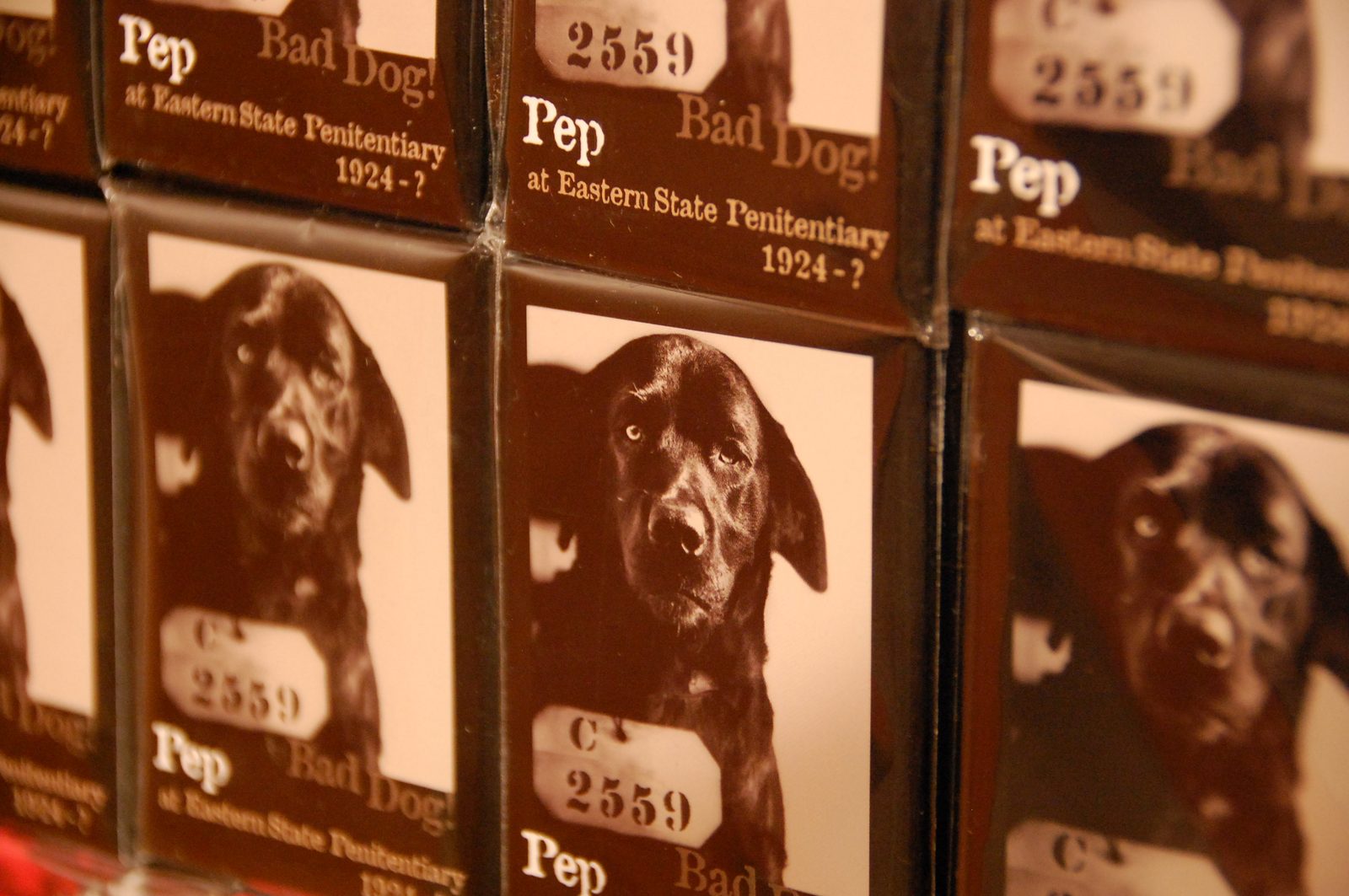
Souvenir magnets of Pep, the "bad dog" mugshot from Eastern State Penitentiary True story

Pep, the dog with a mugshot

In 1924, a black Labrador named Pep arrived at Eastern State with a prison number and a mugshot. Legend says the governor sentenced him to life for killing his wife's cat. The truth is kinder: the governor sent him to cheer up the inmates. The legend sold better — hence the fridge magnets.

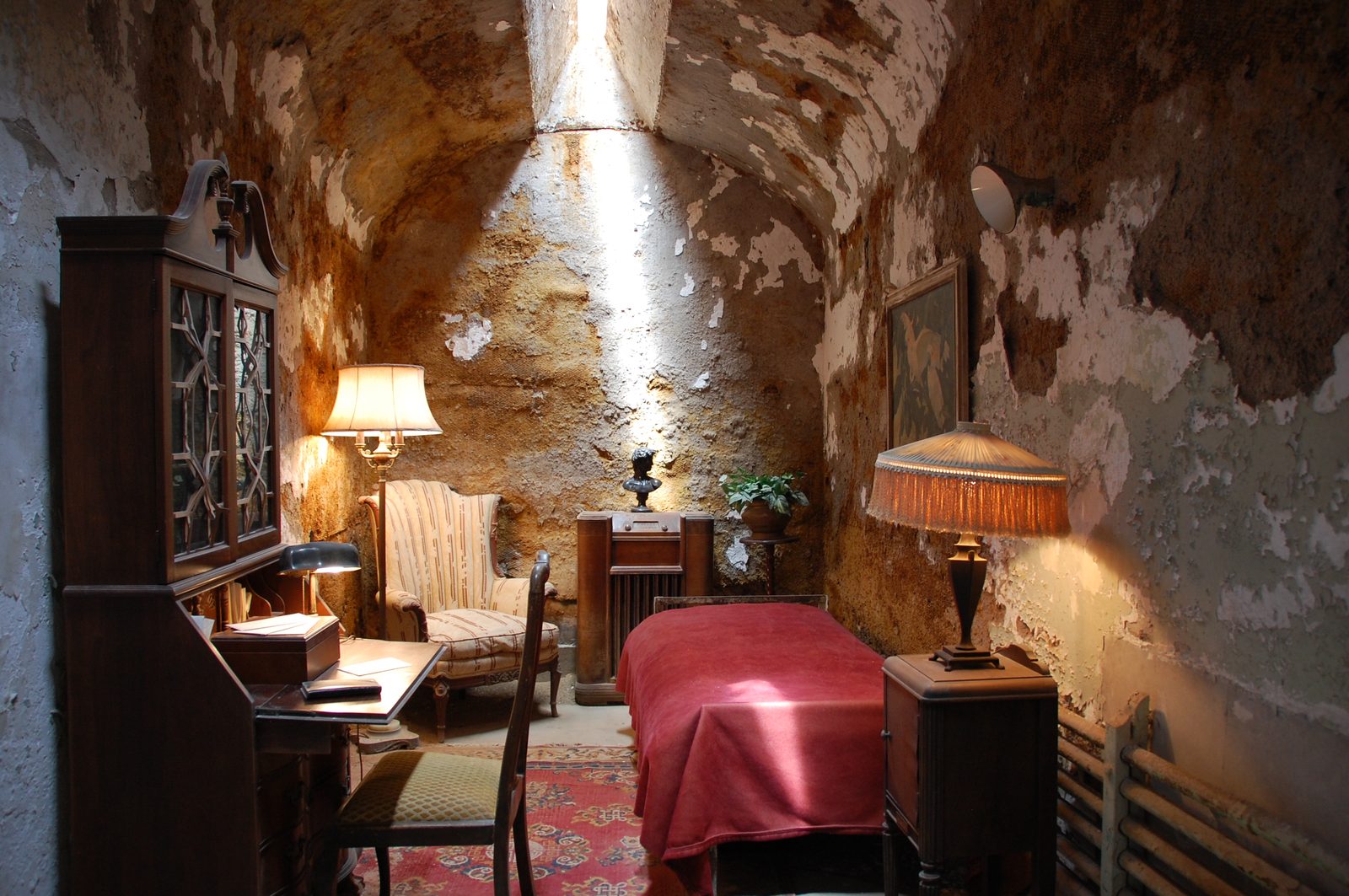
A restored cell at Eastern State Penitentiary furnished like a 1920s study, with a lamp and armchair Famous inmate

Al Capone's cell

In 1929, Al Capone spent about eight months at Eastern State — with rugs, a desk lamp, a radio and an armchair. Prison, but make it cosy. The cell is furnished just the way the newspapers described it back then.

Local dish

The cheesesteak

Thin-sliced beef, onions, melted cheese, a long roll. Simple. Where to eat it is not: Pat's and Geno's have faced each other across the same South Philly corner for decades, and locals will tell you to go somewhere else entirely. Order like you mean it: “one wit Whiz” — with onions and Cheez Whiz.

Pet-Friendly Travel

America,
with your pet.

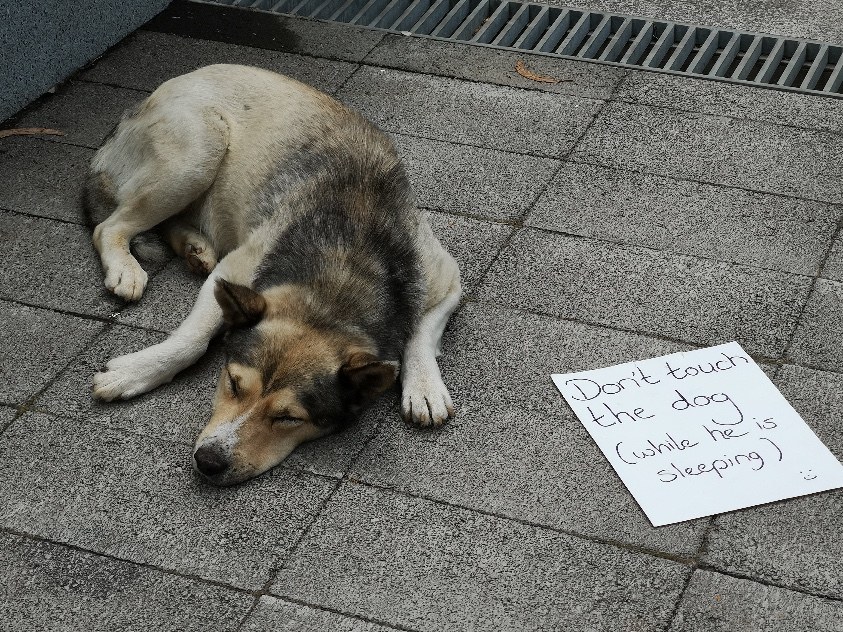
A dog asleep on the pavement next to a handwritten sign: “Don't touch the dog (while he is sleeping)”
Somebody left a note. The dog approves.

The USA is one of the easiest big trips to make with a dog or a cat. Pet-friendly hotels are everywhere, dogs are welcome on plenty of café terraces, and Americans will usually say hello to your dog before they say hello to you.

Getting in is mostly paperwork. Dogs must be at least six months old, microchipped and healthy, and need a CDC Dog Import Form, filled in online before the trip. If your dog has only been in low-risk countries over the past six months — Spain and the rest of the EU included — that receipt is the key document, and it stays valid for six months. Cats don't need a form; they just have to arrive healthy. Rabies vaccination is still strongly recommended, and some airlines and states ask for more.

Two things to know. Hawaii has its own strict quarantine rules, even for pets arriving from the mainland. And in national parks, pets are usually welcome on roads, in campgrounds and on a few paths — but not on most trails.

We check the current rules for your particular pet and route right before you fly, and build the trip around both of you — the flight, the hotels and the days out.

03

The Henry Ford

America, taken apart and put on display.
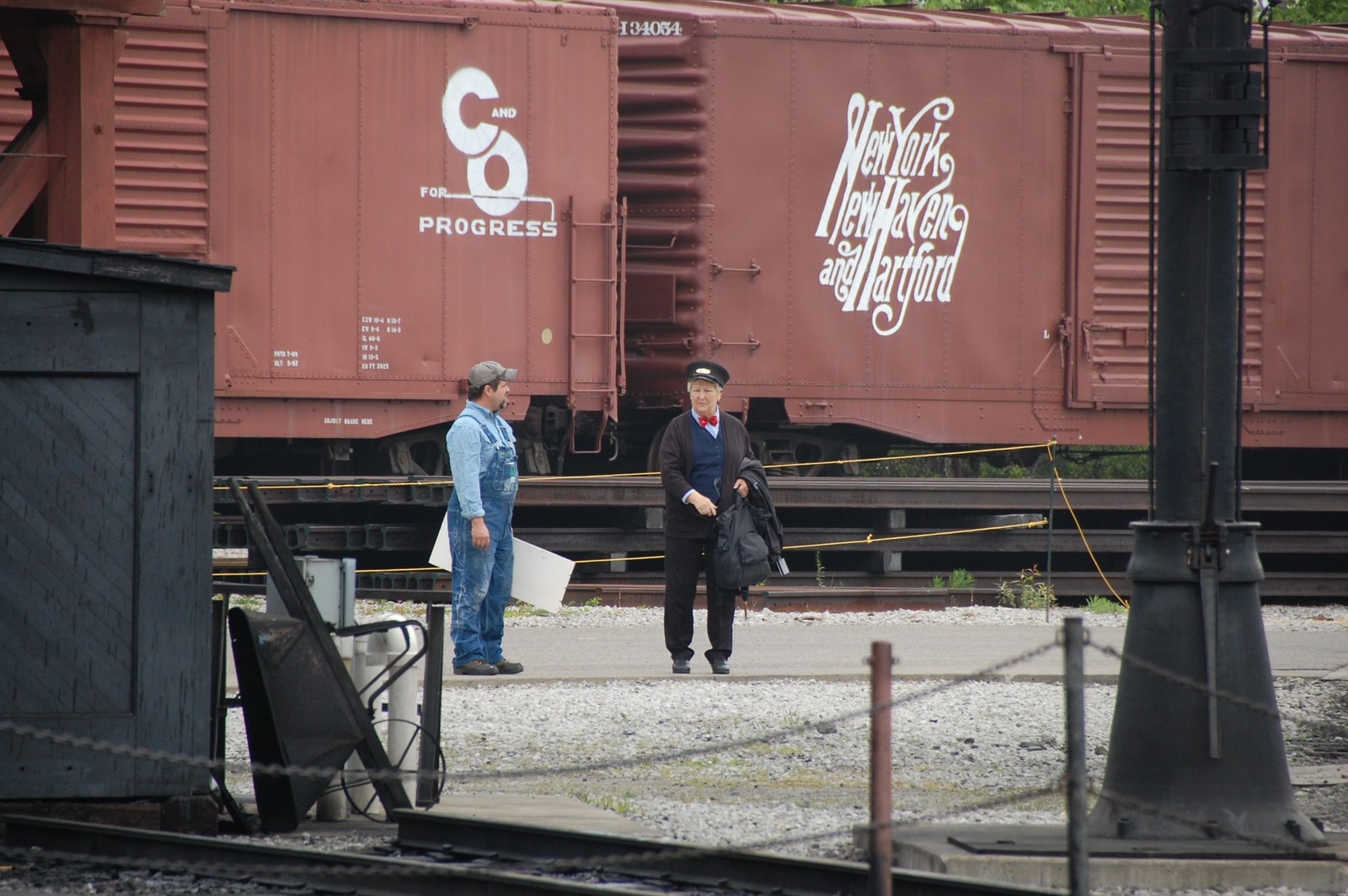
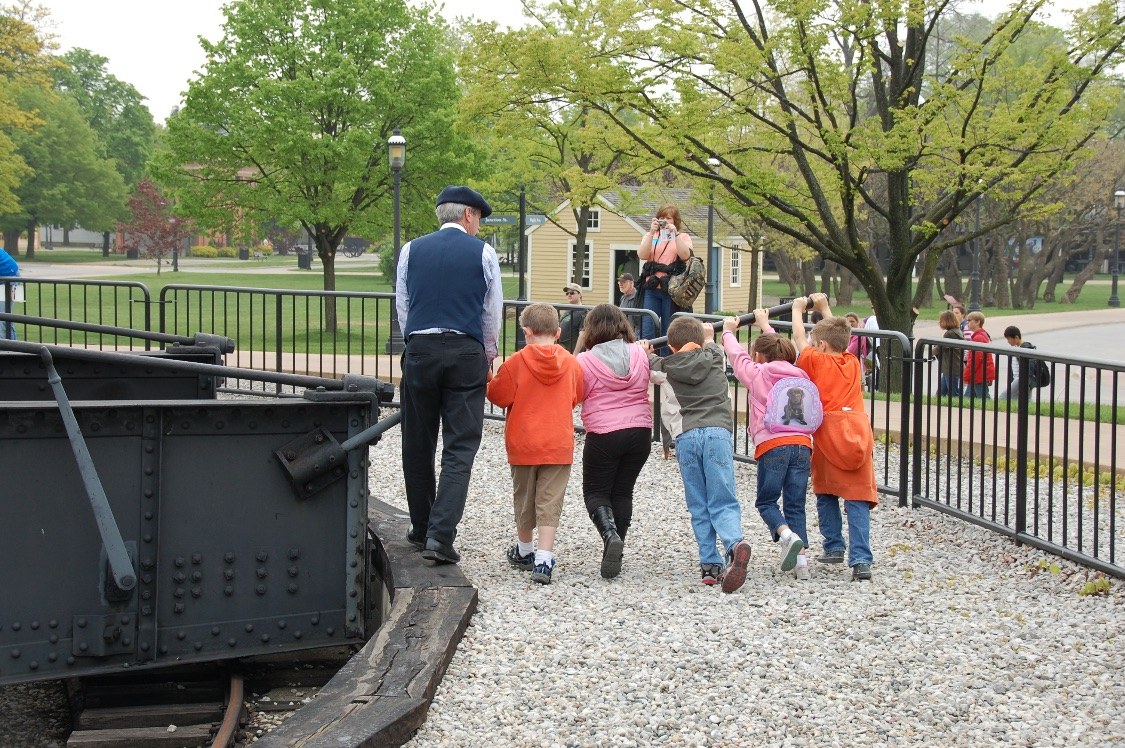
A railway worker in overalls and a conductor in uniform and bow tie talking beside vintage boxcars in Greenfield Village, Dearborn

Half an hour from downtown Detroit, in Dearborn, Henry Ford decided to collect America. Not the paintings — everything else.

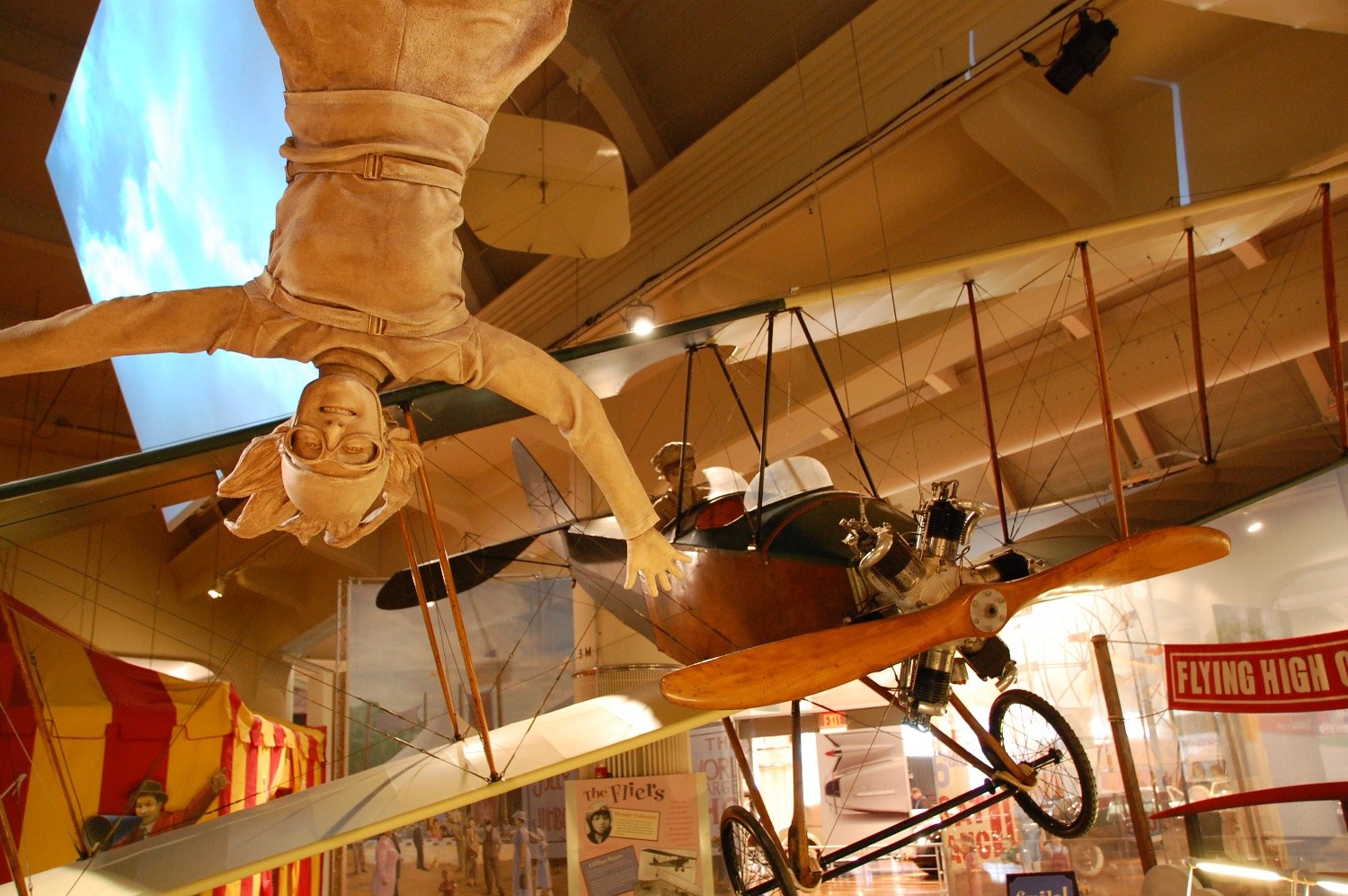
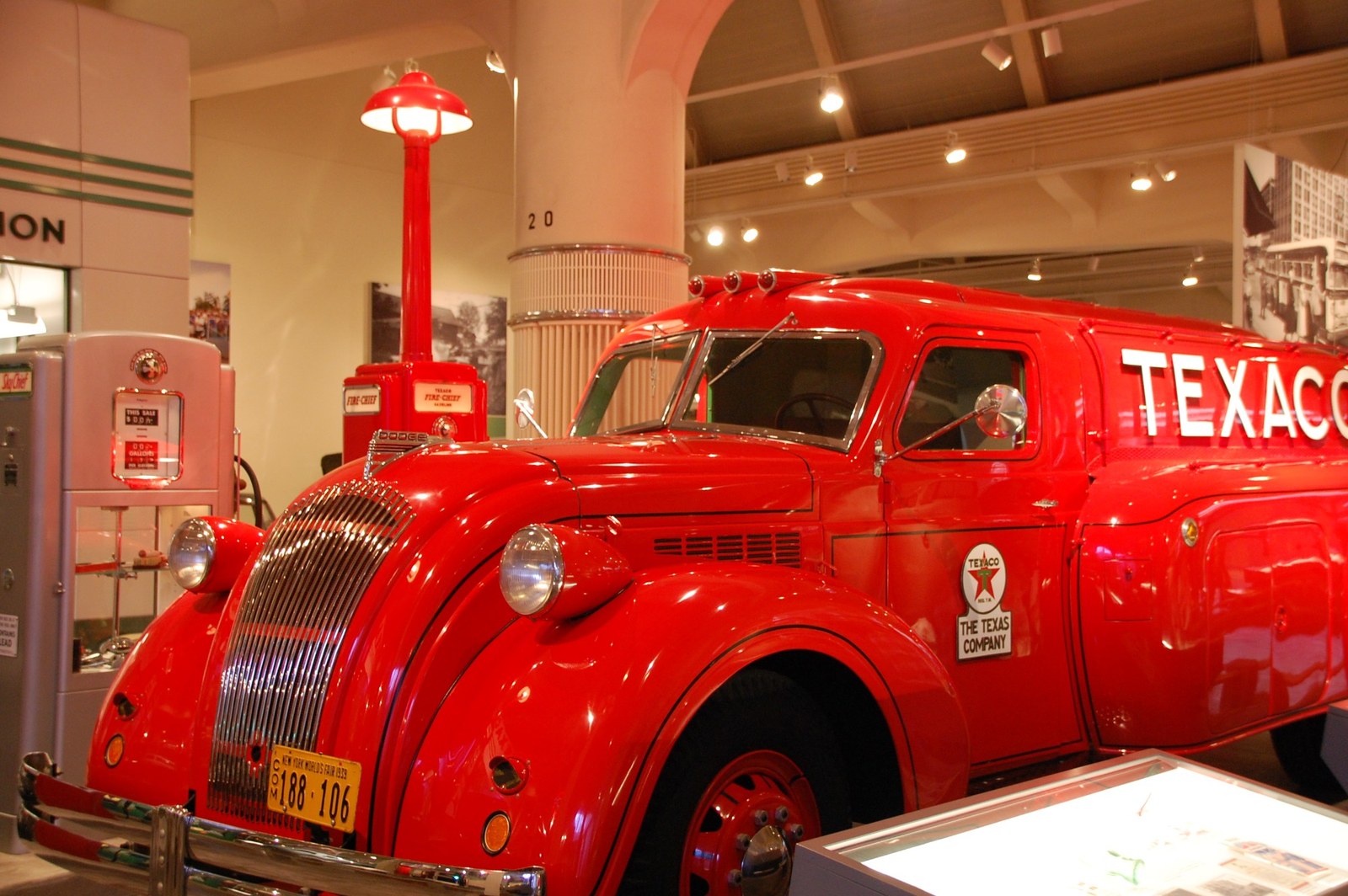
Steam engines. Tractors. Aeroplanes. The bus in which Rosa Parks refused to give up her seat. The limousine President Kennedy was riding in in Dallas. The chair Lincoln was sitting in at Ford's Theatre. It sounds like a list that shouldn't fit under one roof. Somehow, it does.

And that's only the museum.

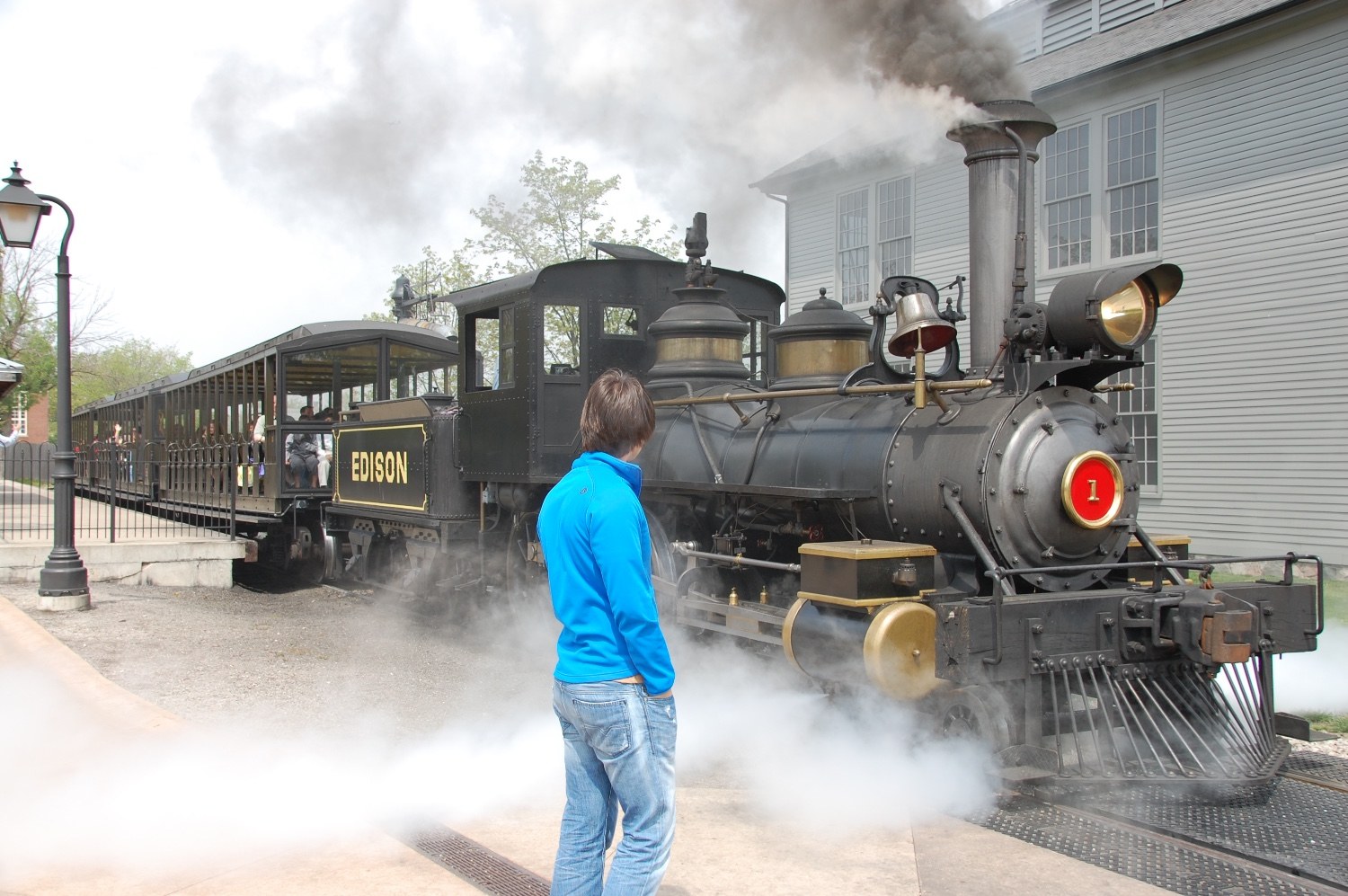
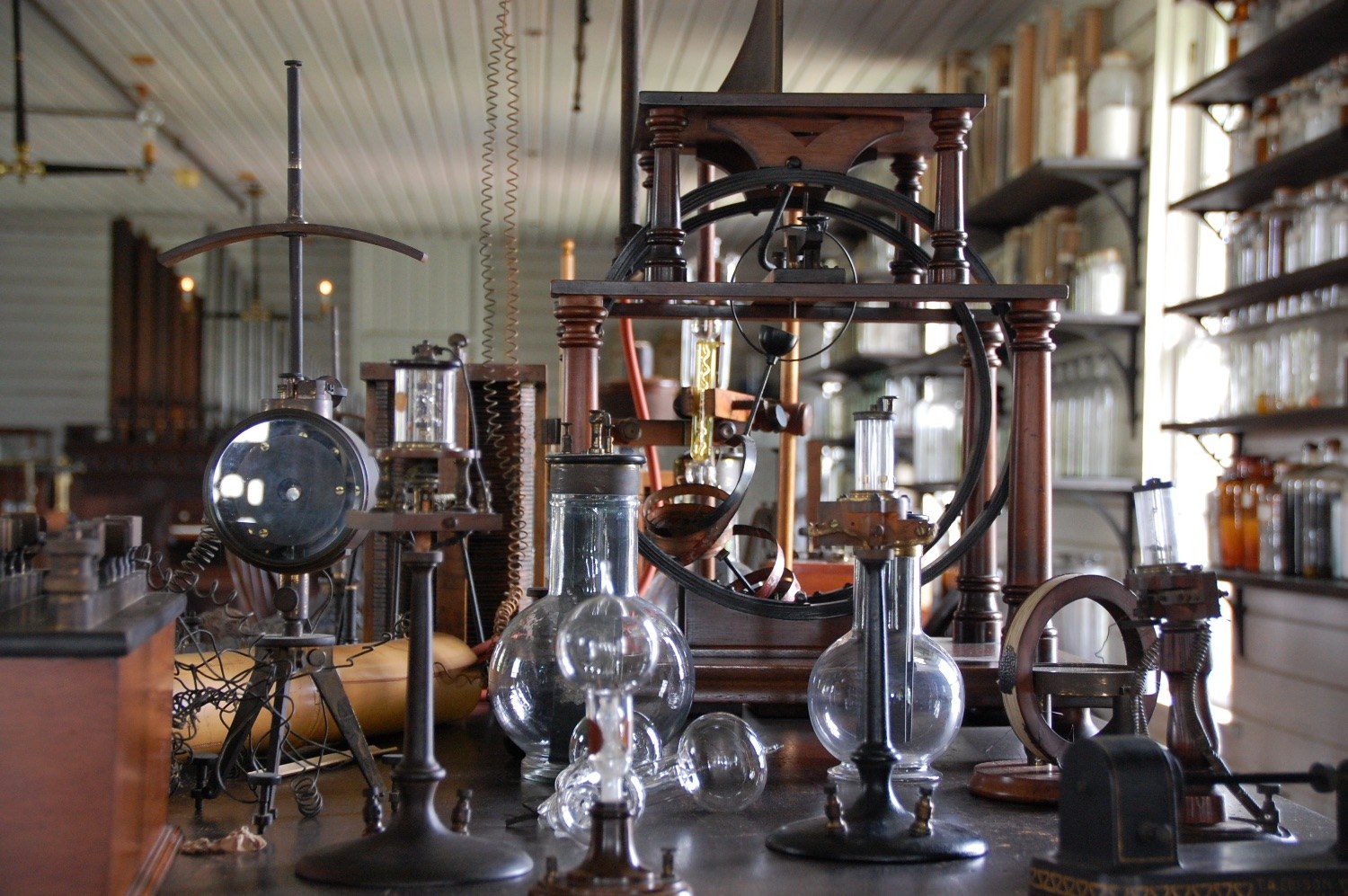
Next door is Greenfield Village — a whole town put together from buildings Ford bought and moved here: Edison's laboratory, the Wright brothers' bicycle shop, farms, workshops and a railway with real steam locomotives. People in period clothes run it all as if the last hundred years simply hadn't happened.

It's the kind of place where you plan two hours and stay until closing.

Give it a whole day

The museum and Greenfield Village are two separate tickets — and, honestly, two separate days' worth. If you only have one day, start in the Village while the trains are running and save the museum for the afternoon.

Greenfield Village is seasonal: it's open from spring to autumn, so check the dates before you build a trip around it. Car lovers can add the Ford Rouge Factory Tour, where F-150 pickups come off a real assembly line.

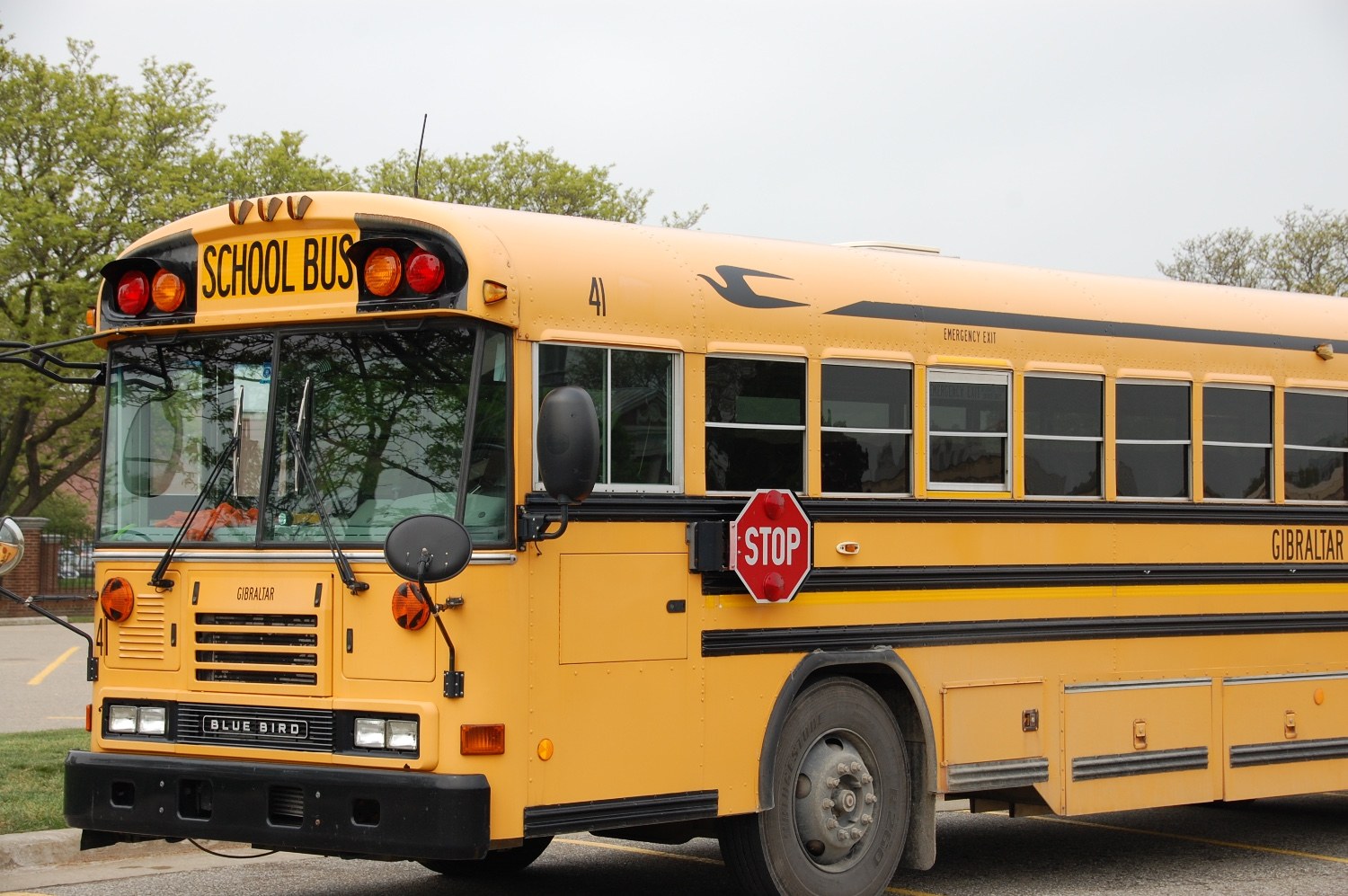
A yellow Blue Bird school bus with its folded STOP sign, parked in Gibraltar, Michigan Driving in the US

When the school bus stops, you stop

Yellow bus, red lights flashing, a little STOP sign swung out from the side: every car stops — usually in both directions — and waits until the bus moves off. Not “if nobody's coming”. Fines are serious, and Americans take this one personally.

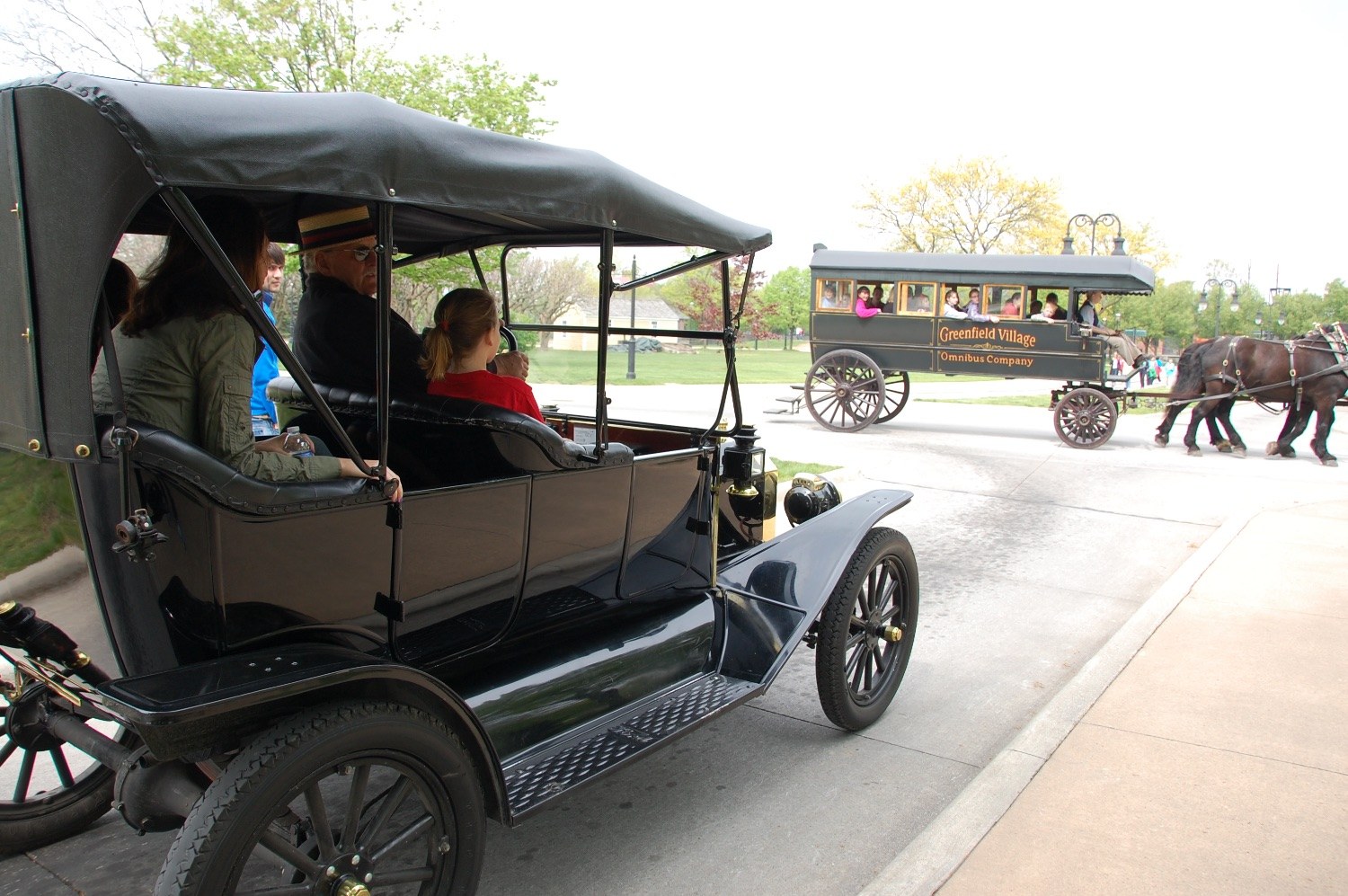
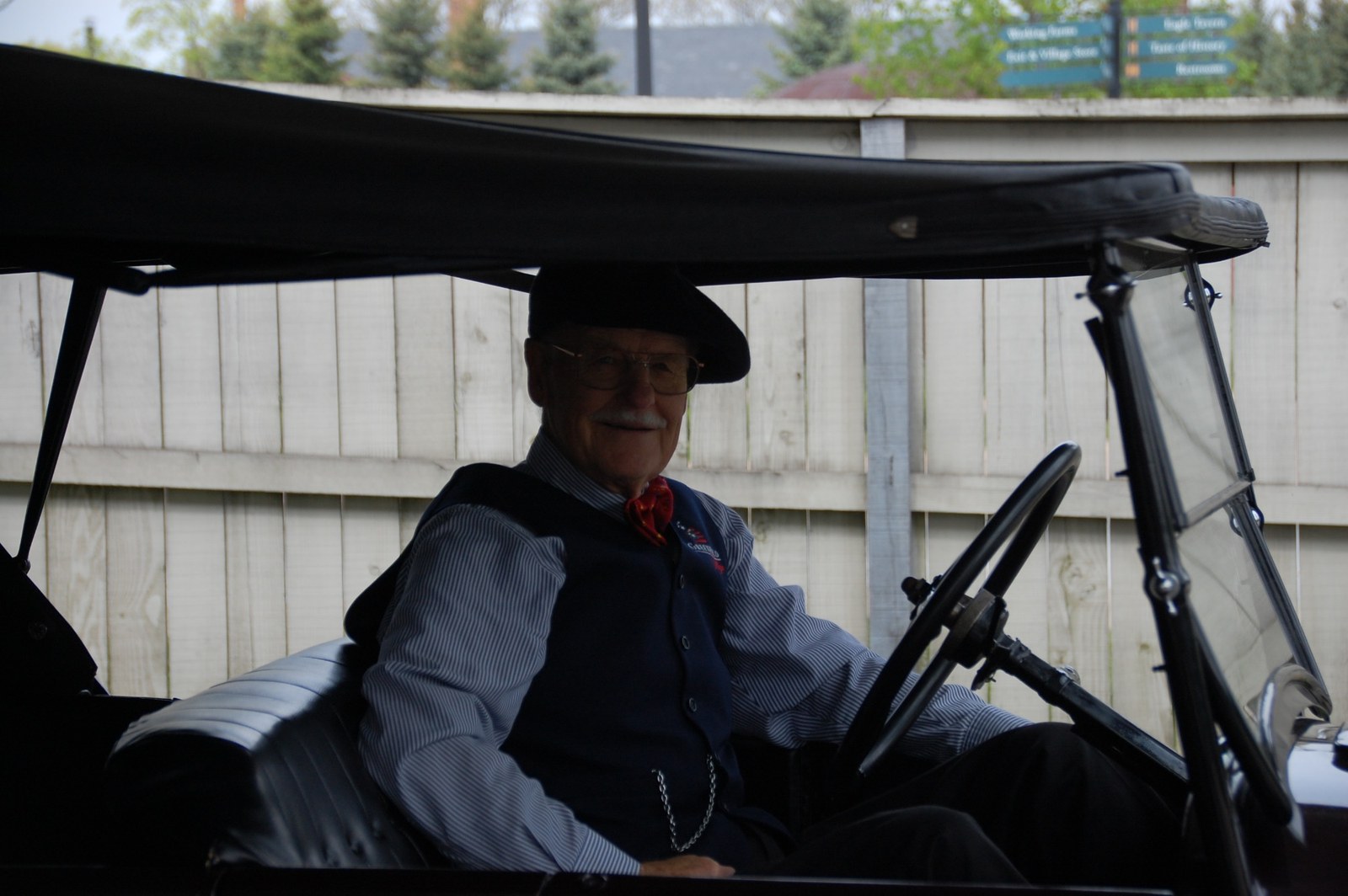
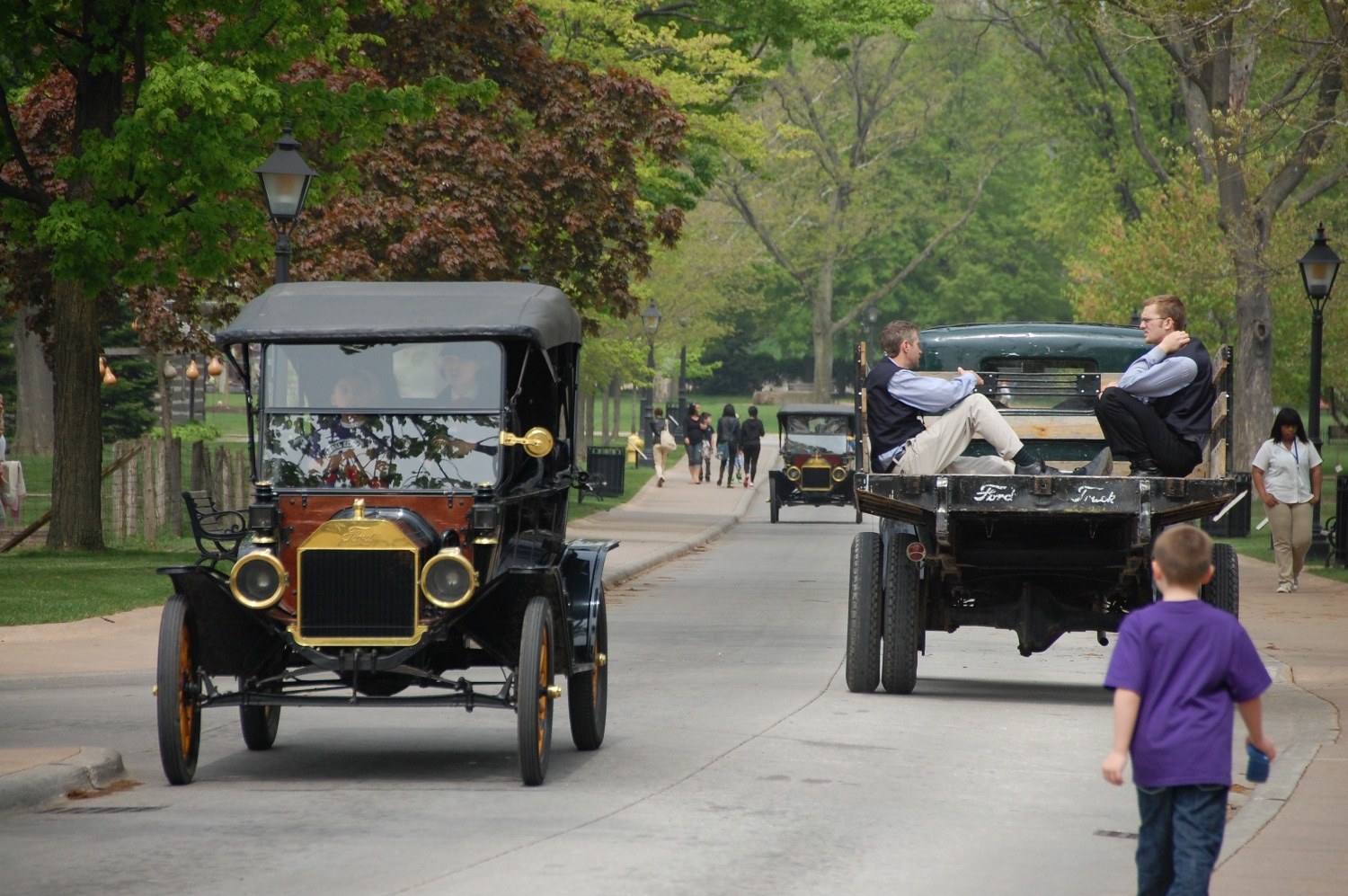
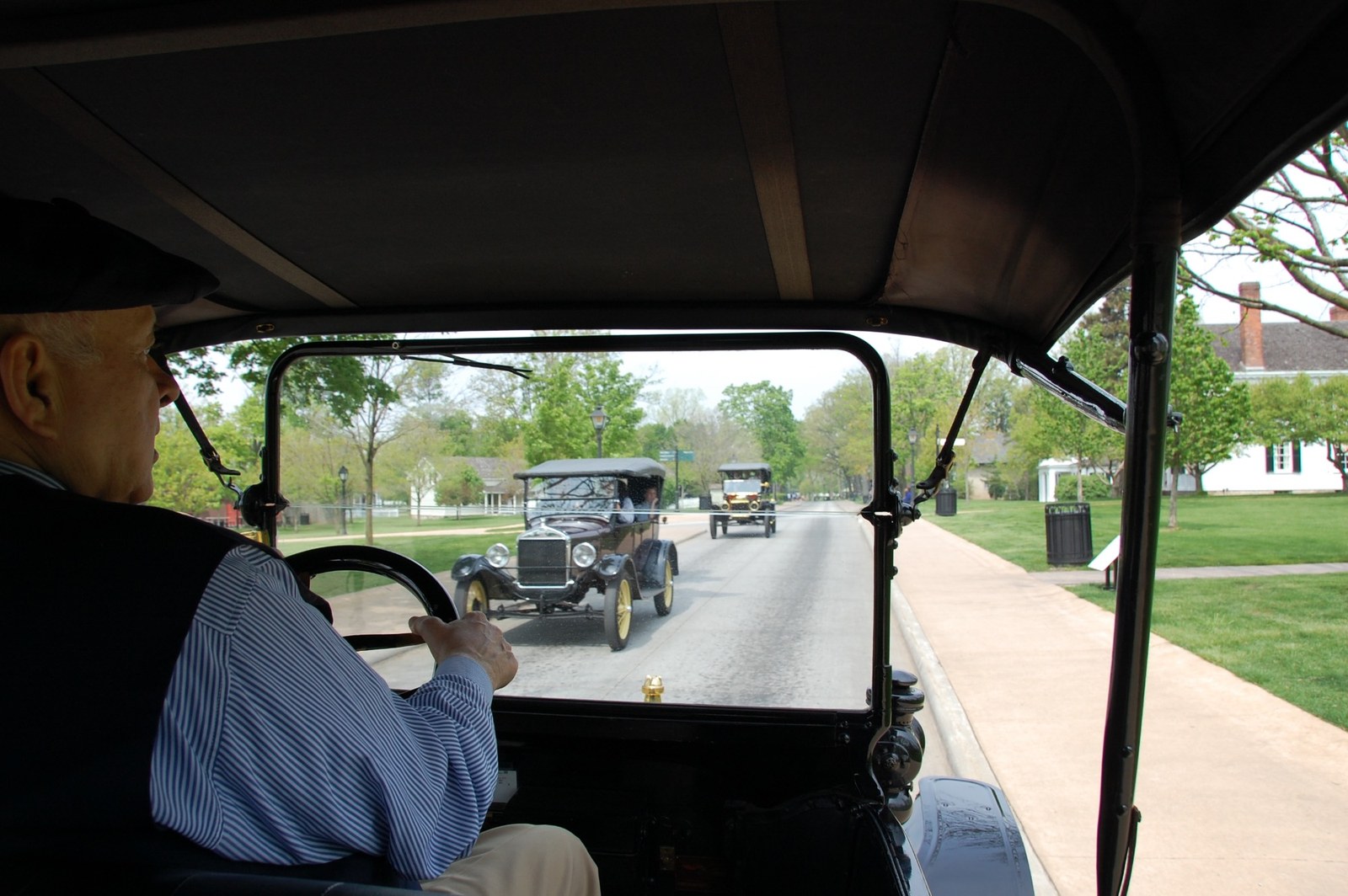
Visitors riding in a black Ford Model T with a driver in a straw boater, as a horse-drawn Greenfield Village omnibus passes by Ride it

A Model T, with a driver

In Greenfield Village you can ride in a real Ford Model T — the car that put America on wheels. Bumpy, loud and in no particular hurry. Everyone climbs out grinning.

Highland Park, Michigan · 1913

The line that changed how the world works.

93 minutesto put together a Model T once the line started moving — down from about 12½ hours
$5 a dayFord's wage from 1914 — roughly double the going rate
15 millionModel Ts built between 1908 and 1927
Any colour“…so long as it is black.” Black paint dried fastest.

Ford didn't invent the car. He invented a way of making it: break the work into small steps, bring the work to the person instead of the person to the work, and keep the line moving. Almost overnight, a car stopped being a toy for the rich and became something the people building it could afford.

Sound familiar? A hundred years later it's happening again — this time with thinking rather than bolts. AI is doing to paperwork what the moving line did to the workshop: taking the process apart, speeding up every step, and changing what people actually spend their days on.

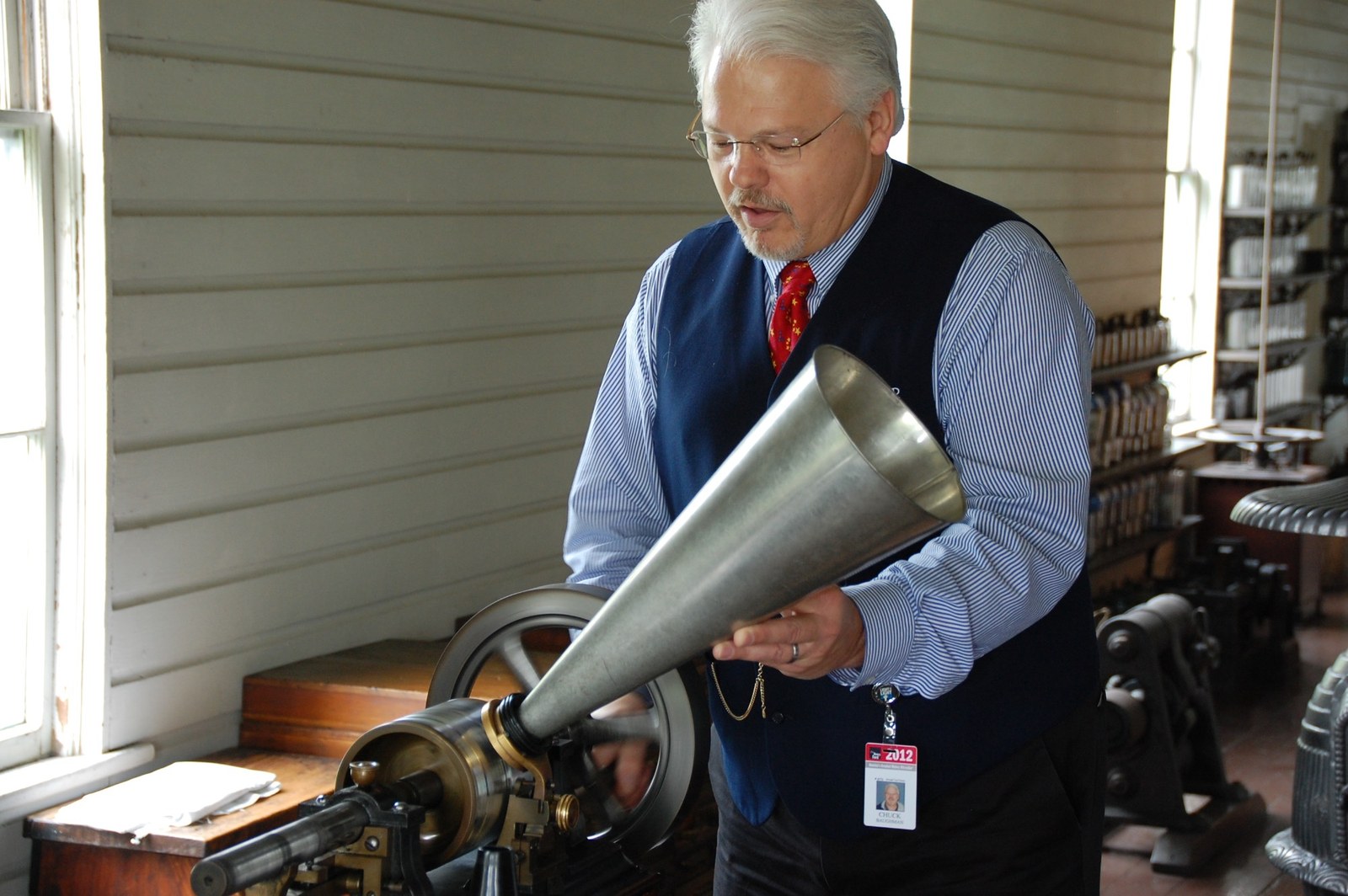
That's what makes this place more than a car museum. You walk through the last great revolution in how we work — and it's full of people: drivers, mechanics, conductors, a guide cranking a phonograph. The machines changed. The people are still the point.

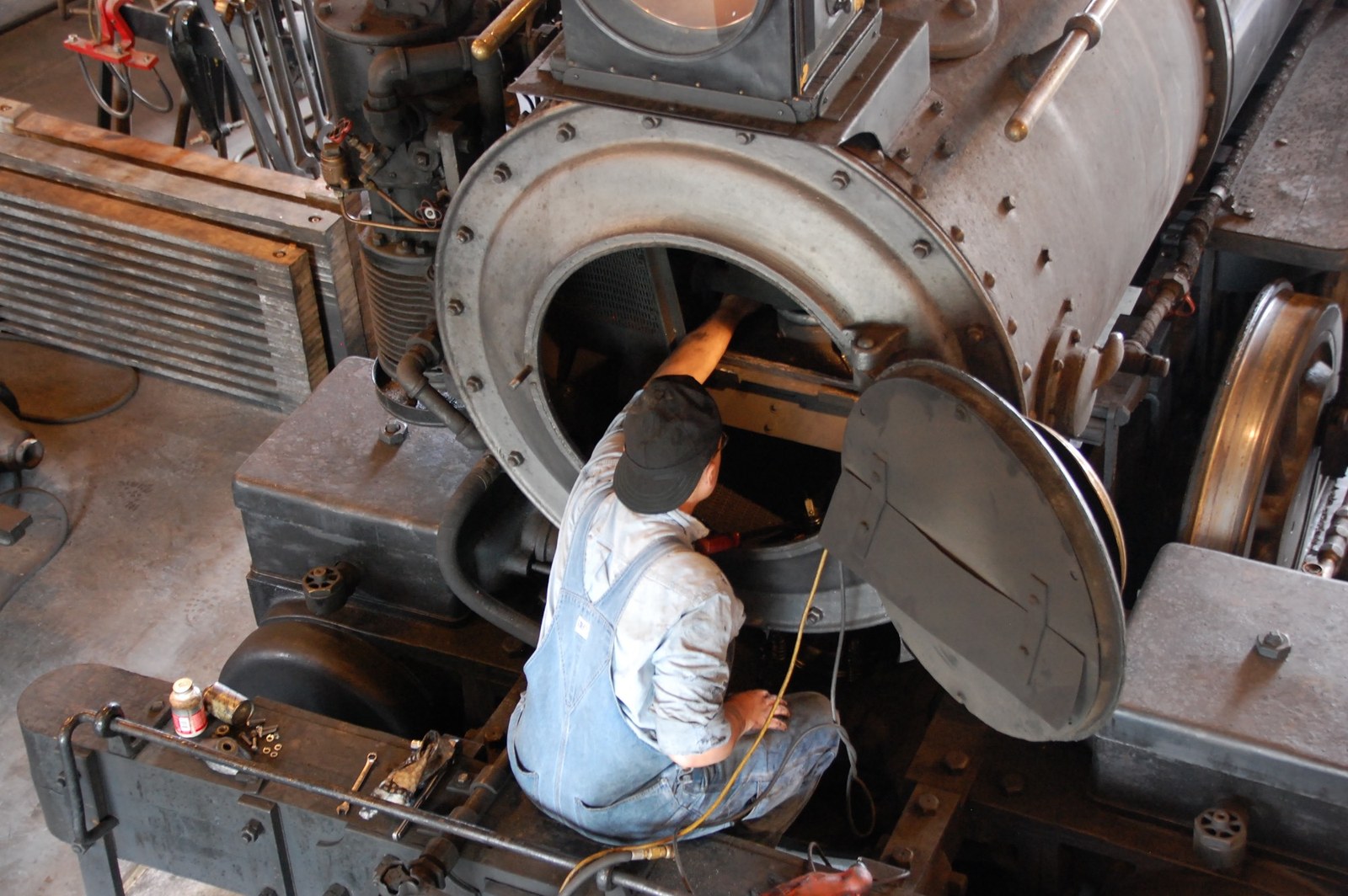
In the roundhouse, mechanics in overalls are genuinely repairing locomotives. On the platform, the conductor checks her watch. And the children are put to work turning the turntable by hand.

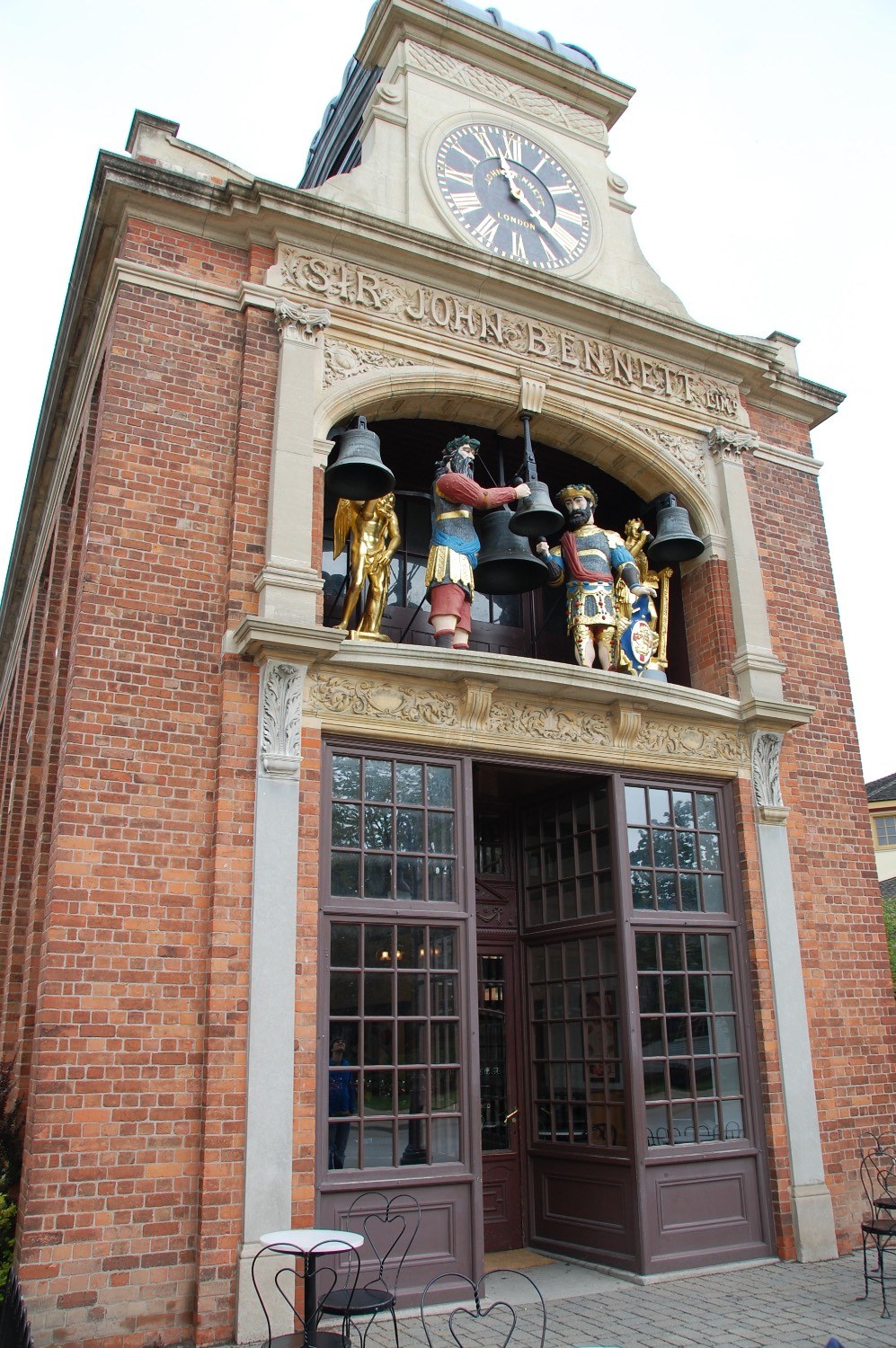
Edison's Menlo Park laboratory was moved here from New Jersey, down to the floorboards; a guide cranks up a phonograph, the machine that first played back a human voice. A few steps away stands the front of a London watchmaker's shop, where two painted giants strike the bells every hour.

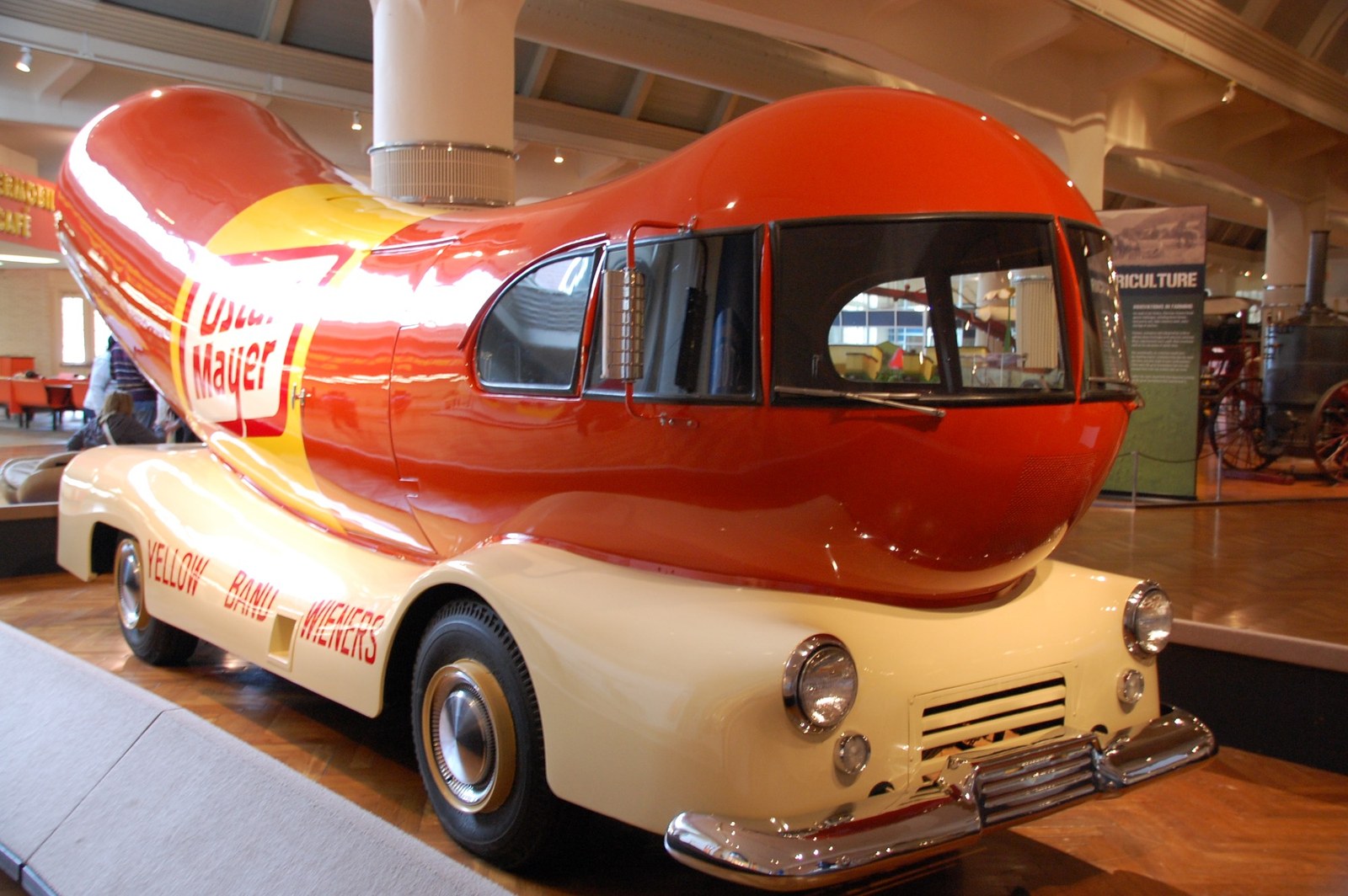
And somewhere between the steam engines and the presidential limousines stands the Oscar Mayer Wienermobile — a car shaped like a hot dog, driven by people whose official job title is “Hotdogger”.

Hungry? Lunch is served at Lamy's Diner — a real 1940s diner moved here from Massachusetts, counter stools, chrome and all.

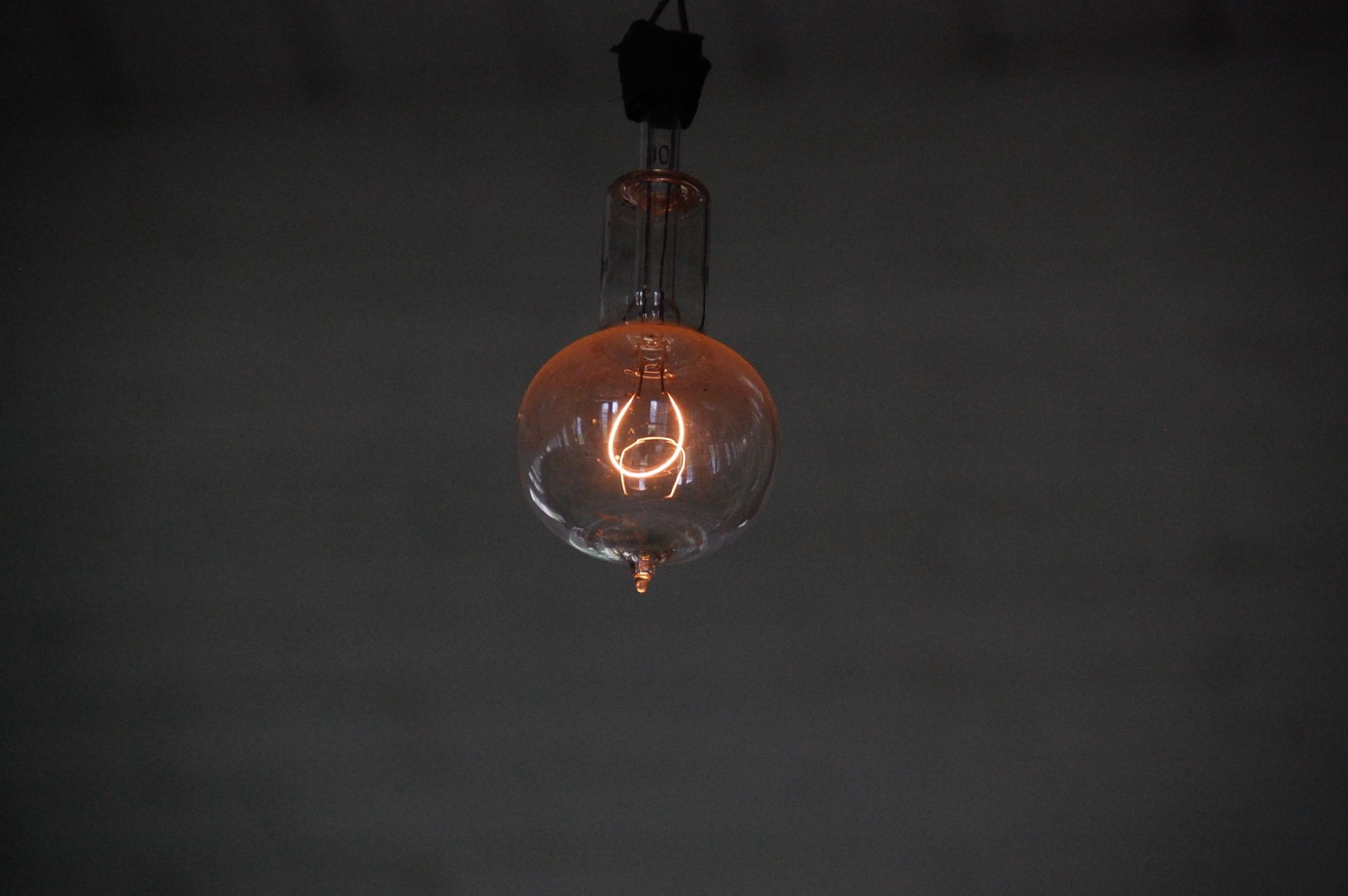
An early carbon-filament light bulb glowing against a dark background Did you know

Edison's last breath

In Edison's laboratory, a carbon-filament bulb still glows the way it did in 1879. But the strangest Edison exhibit is in the museum: a sealed test tube. Henry Ford admired Edison so much that, the story goes, he asked Edison's son to keep it by his father's bedside at the very end. Said to hold the inventor's last breath, it's the oddest thing here to stand in front of.

04

Florida

Lakes draped in Spanish moss and the whitest sand in America.

Most people know Florida from two postcards: the theme parks of Orlando and the skyline of Miami. Everything in between, most travellers drive straight past. They shouldn’t.
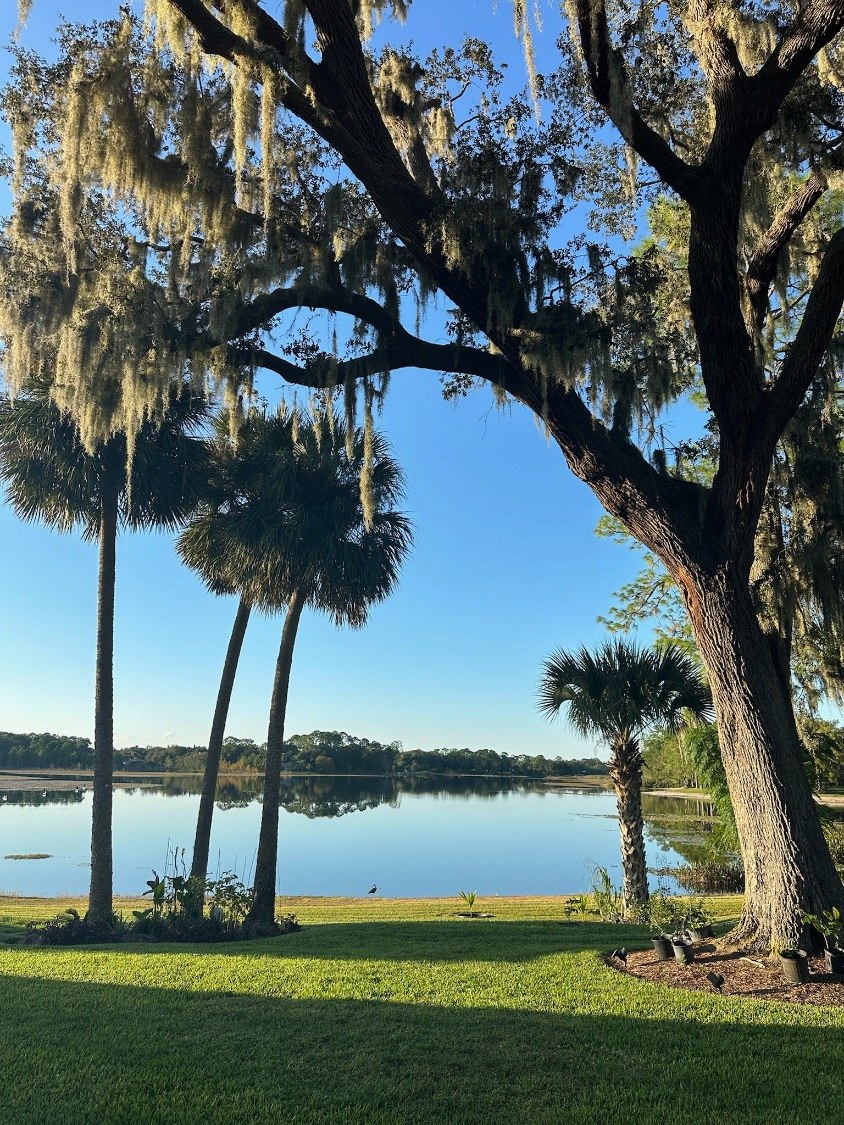
A quiet lake in Central Florida: sabal palms and an old oak hung with Spanish moss reflected in the water
Morning by the lake
Central Florida

A house on the lake

Orlando makes an easy base: a big airport, direct flights, everything within an hour’s drive. But rather than a hotel by the highway, we suggest a house on one of the area’s hundreds of lakes.

Coffee on the lawn under an old oak in the morning; in the evening, the sun going down over the water and herons in the shallows.

Good to know

The moss that isn’t moss

The silvery “beards” on the oaks are Spanish moss. It is neither a moss nor a parasite but a relative of the pineapple: it takes water and nutrients straight from the air and leaves the tree alone.
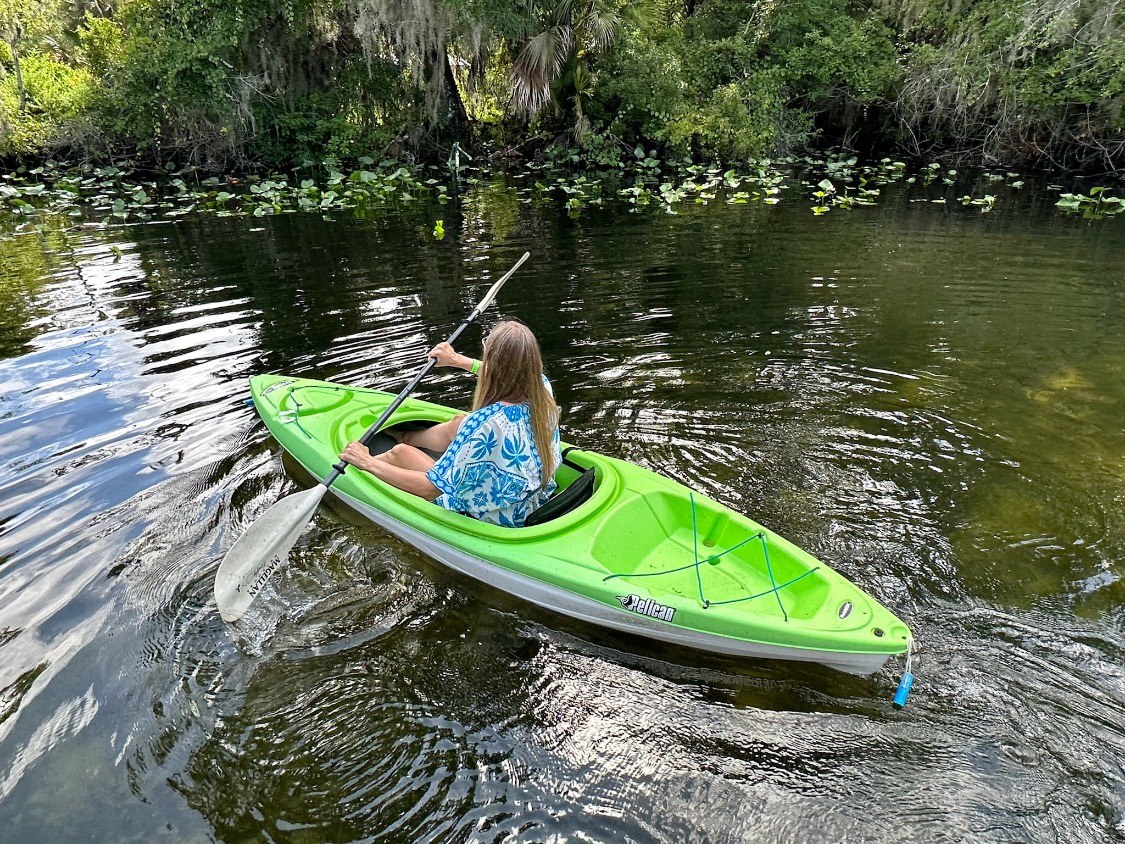
A traveller in a green kayak paddles down a dark, clear river among water lilies and trees hung with Spanish moss
A spring-fed river · kayaking among the lilies

Rivers that glow from within

Beneath Central Florida lies a vast store of groundwater, and it rises to the surface in hundreds of springs. The water stays at around 22 °C all year and is so clear that your kayak seems to float in mid-air.

Two or three hours on a river like this, past water lilies and turtles sunning on logs, is the best way to spend a morning here before the heat sets in.
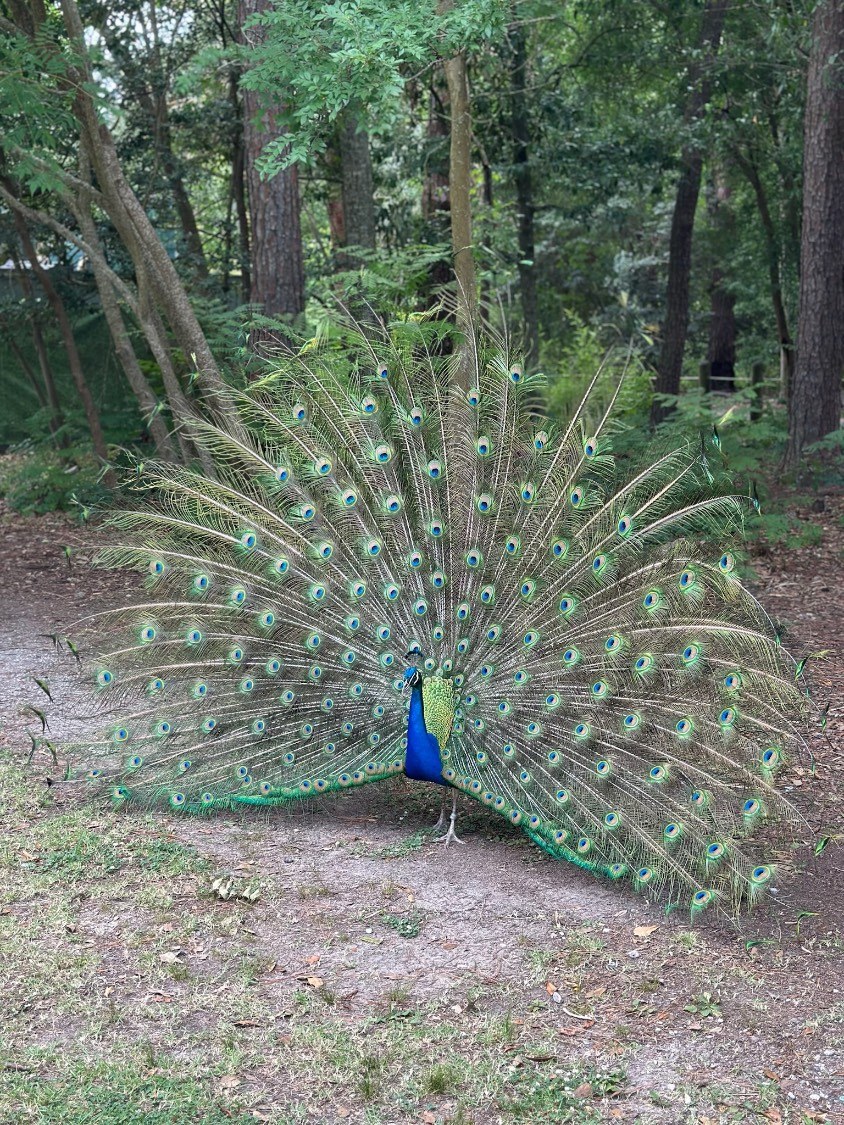
A peacock with its shimmering tail fanned out on a woodland path
A peacock on the path
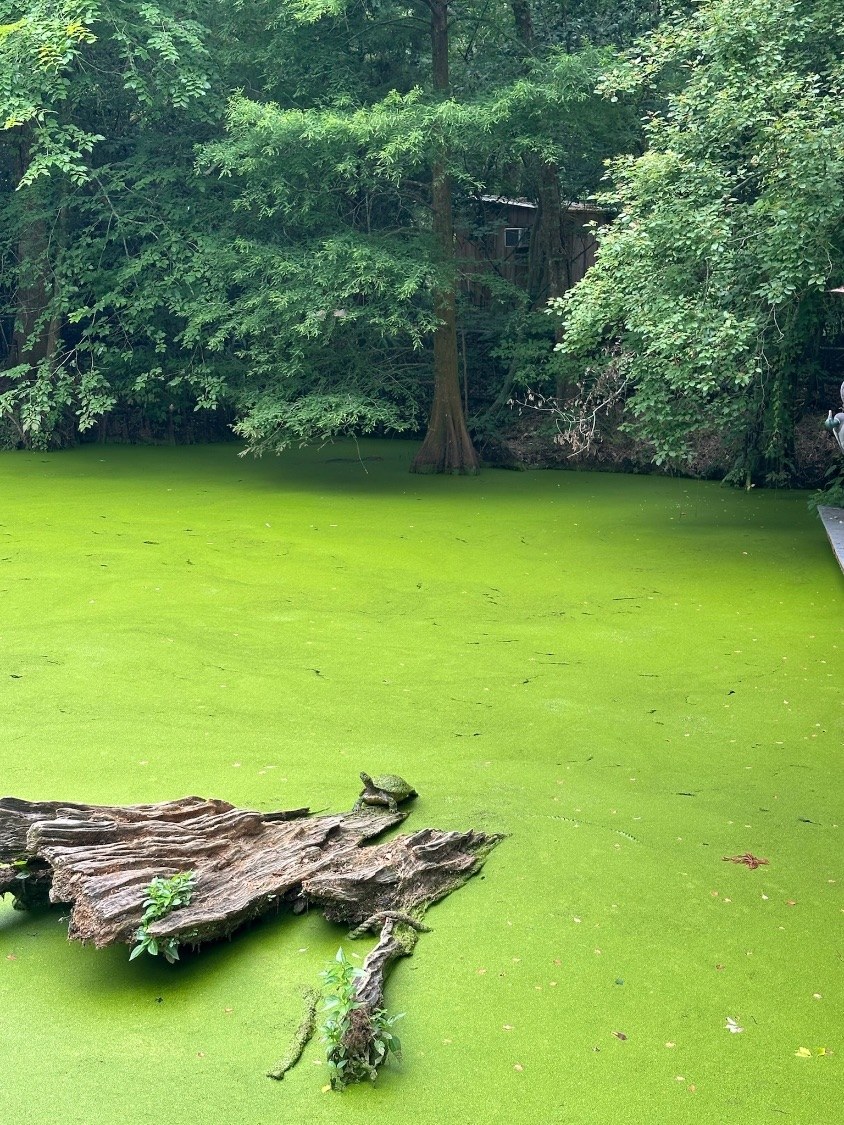
A turtle basking on a log in a swamp covered in bright green duckweed
Swamp and cypresses
Theme parks and Old Florida

Theme parks, in moderation

Universal and Disney are worth it, especially with children. But we plan them as one or two bright chapters, not the whole trip: early entry, the right day of the week, and the pool in the afternoon, when the queues are at their longest.

Half an hour out of town, Old Florida begins: historic small towns, ranches with cattle grazing under the oaks, cypress swamps full of turtles. In autumn there are pumpkin fairs and Halloween that the whole street joins in; in December, Christmas trees ablaze with lights at 24 °C.
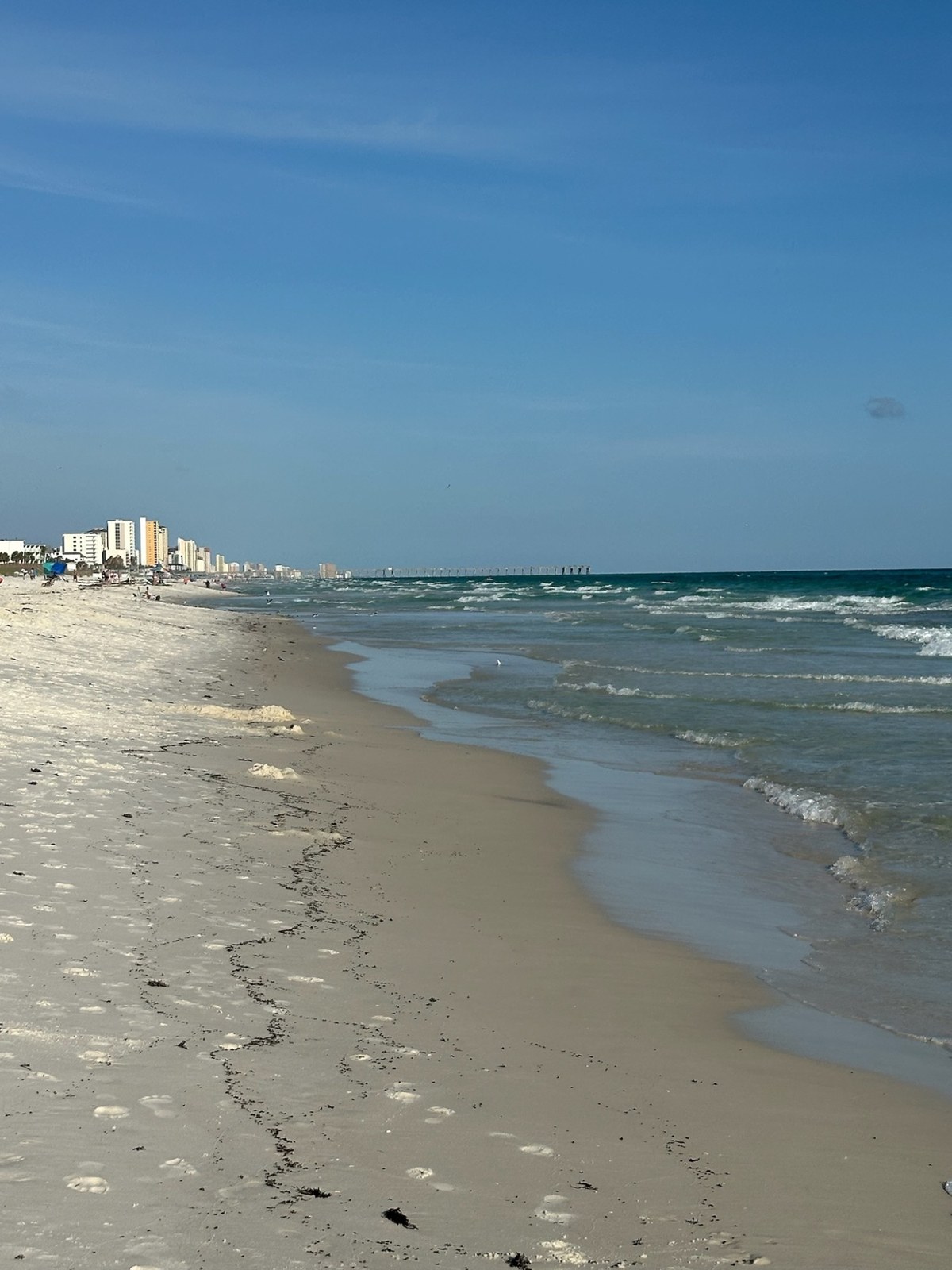
The white quartz beach of Panama City Beach, emerald water and a long pier on the horizon
Panama City Beach
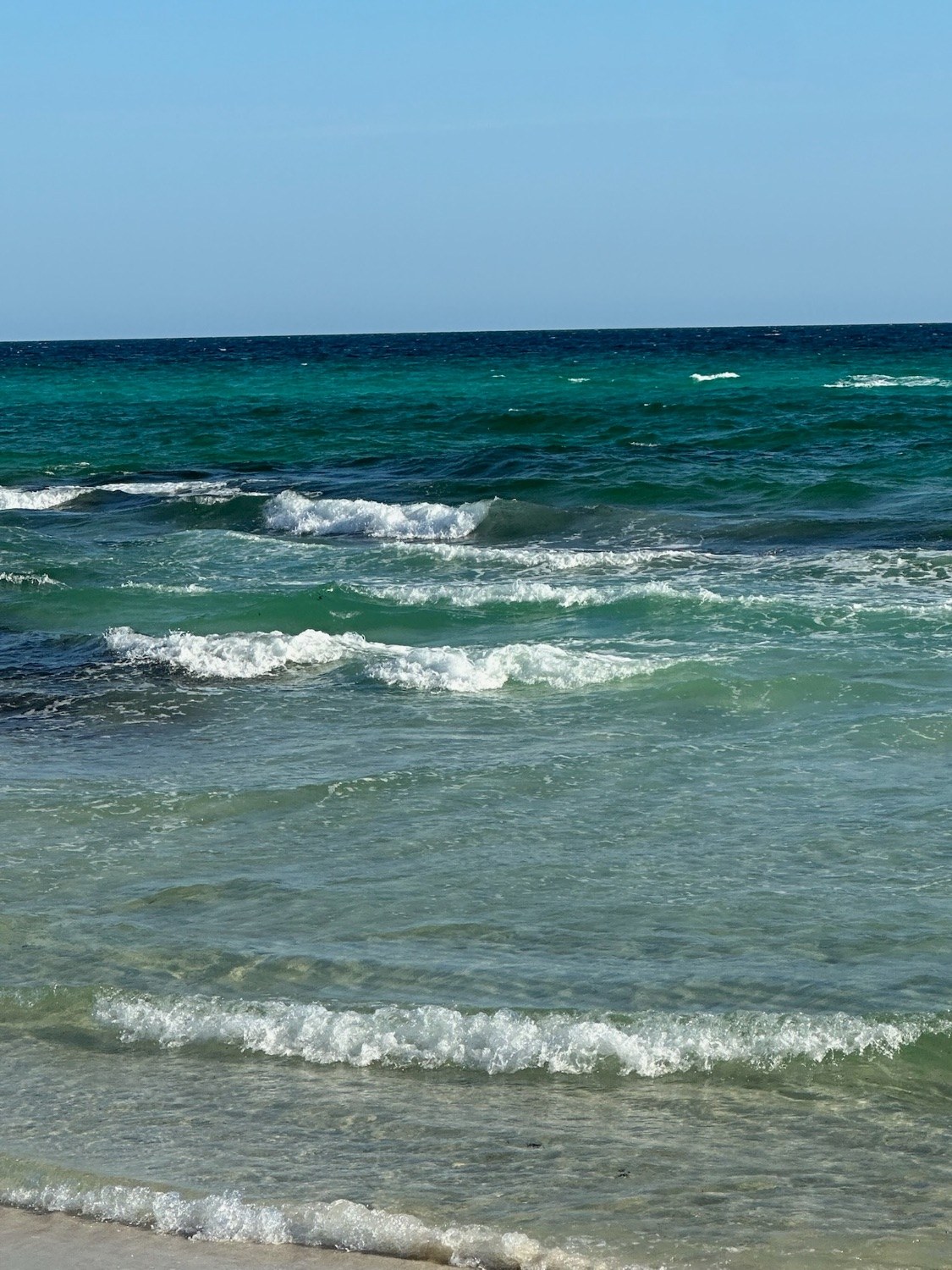
Emerald and turquoise waves of the Gulf of Mexico rolling onto white sand
Water the colour of bottle glass
The Emerald Coast

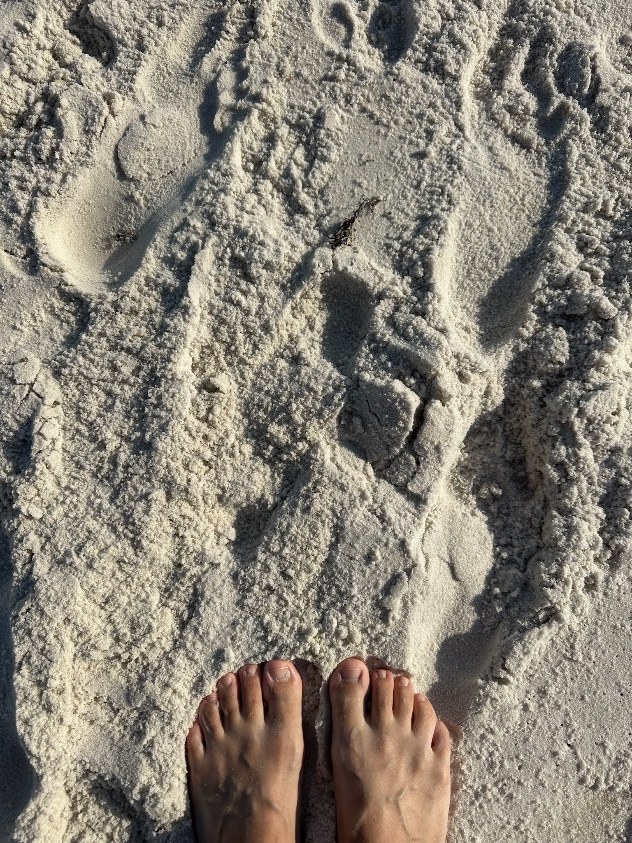
Sand that squeaks

In the north-west of the state, on the Gulf of Mexico, Florida is another world. The sand is almost pure quartz: white, fine, squeaking underfoot and cool even at noon. The water runs from clear green at the shore to deep turquoise further out.

Panama City Beach means high-rises, a pier and life until late. Along Highway 30A, though, runs a string of small towns built with real care for detail: snow-white Alys Beach, Rosemary Beach and pastel Seaside, where The Truman Show was filmed.
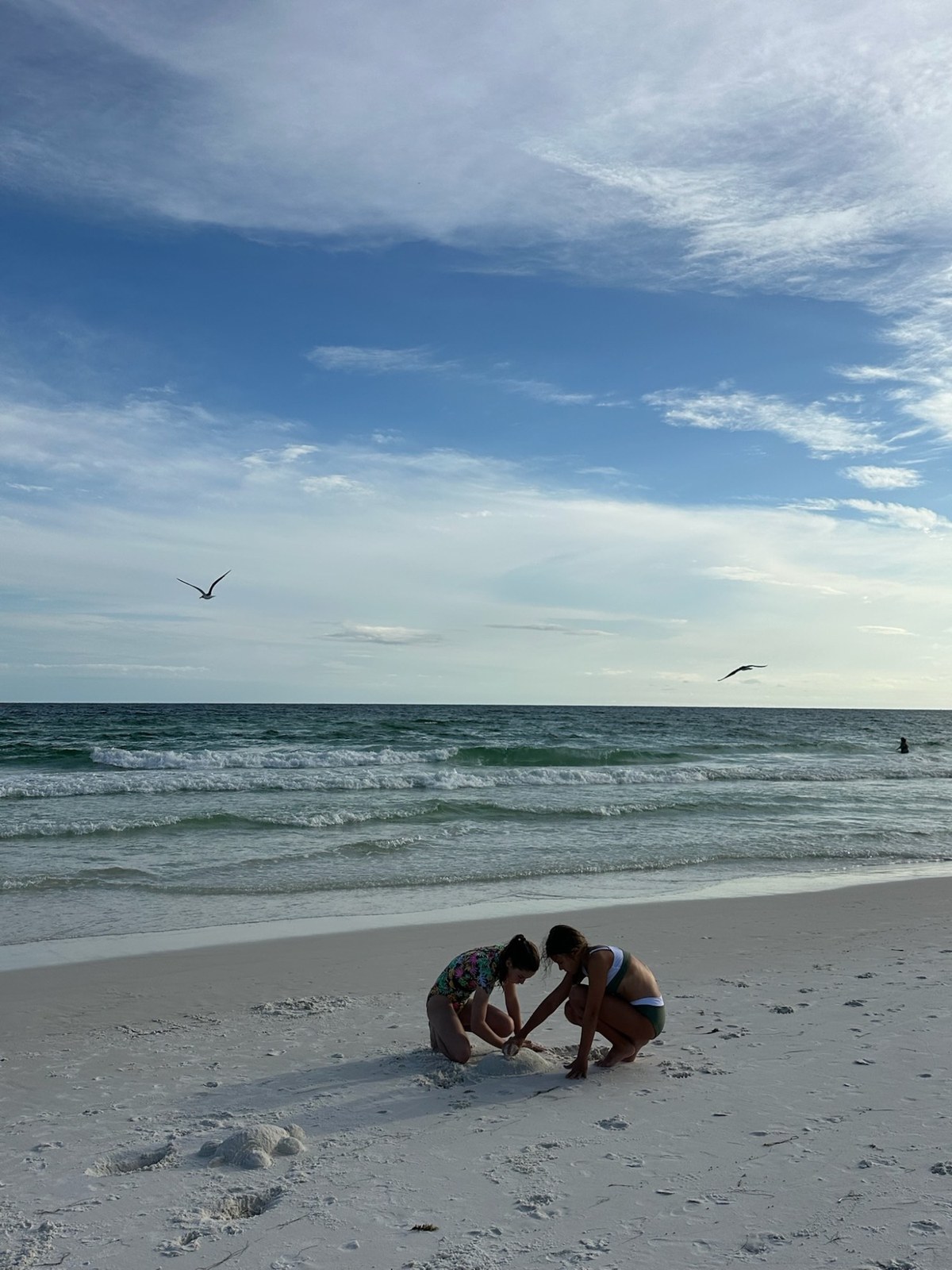
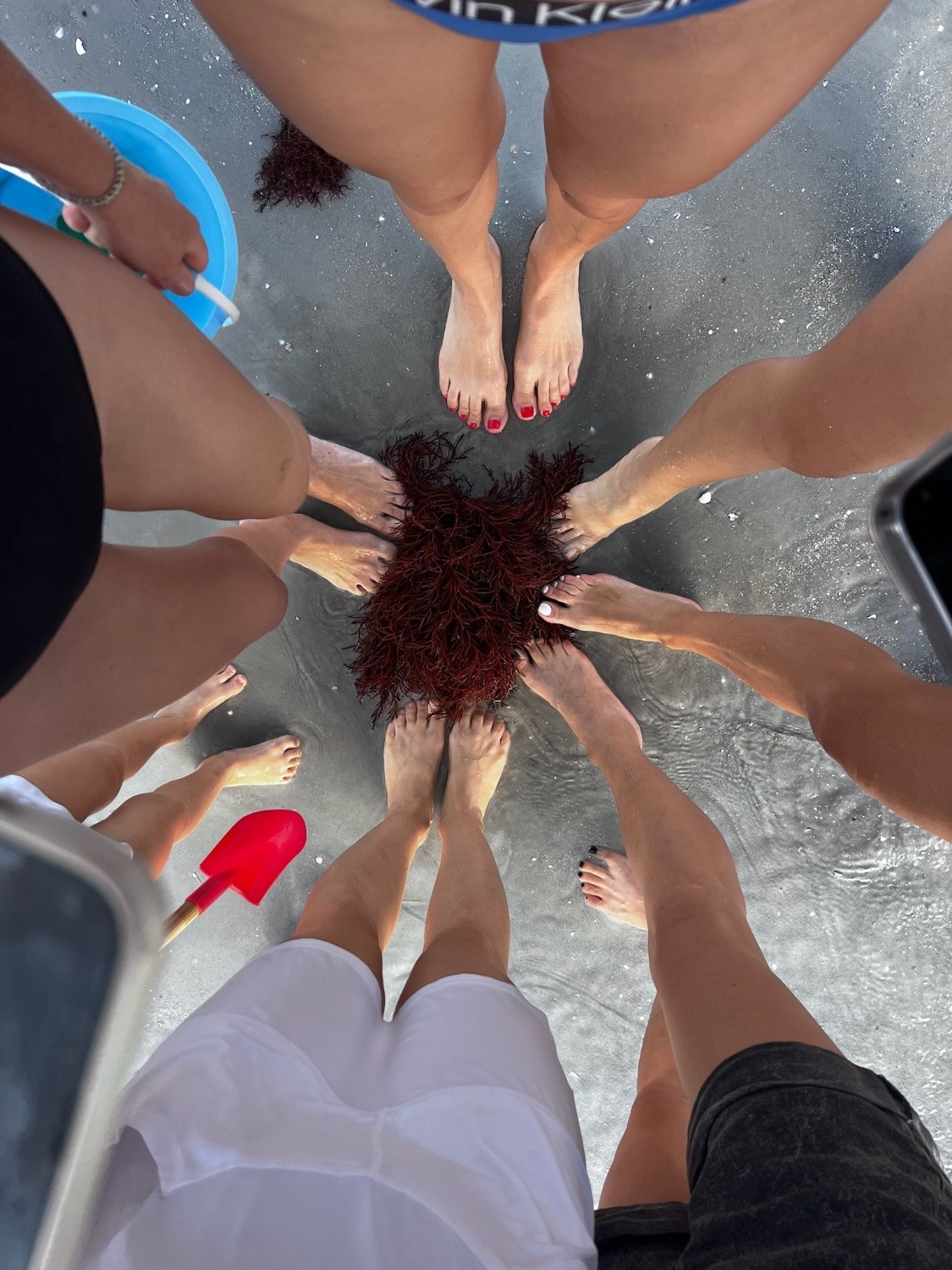
Two girls sculpt a sea turtle out of white sand while gulls fly over the Gulf waves
A sand turtle
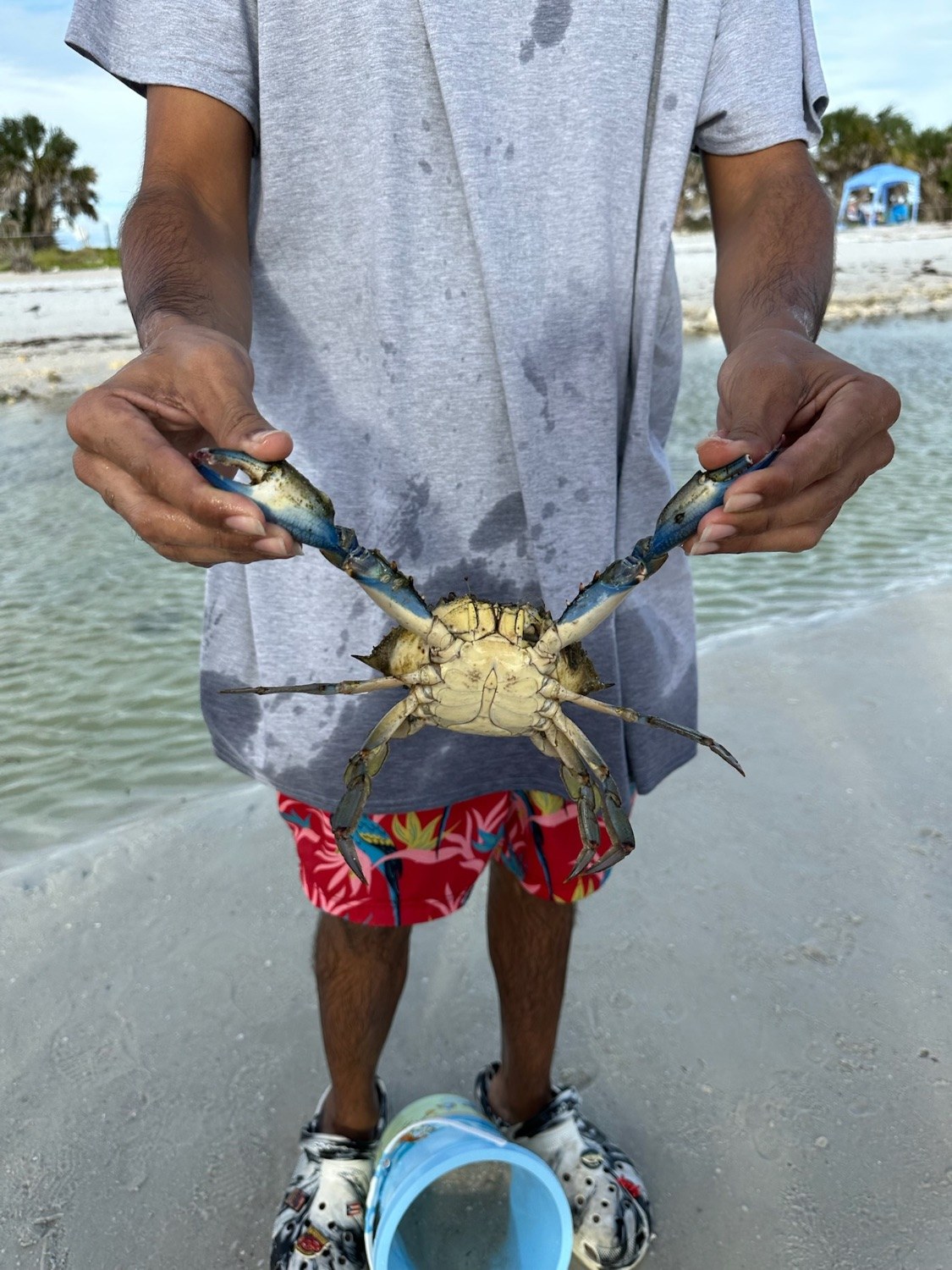
A blue crab with bright blue claws, caught in the shallows
A blue crab from the shallows
Days by the water

No plan needed

Mornings for netting blue crabs in the shallows and sculpting sea turtles out of sand, afternoons for swimming, evenings for watching the gulls see the sun off. Children are happy here without any plan at all.

On the beach

Watch the flags

The flag by the lifeguard tower tells you whether it’s safe to swim: green means calm, yellow means take care, red means dangerous currents, double red means the water is closed. The Gulf can have strong rip currents.

WellDone tip

When to go

The best time is October to May: warm and dry. Summer is hot and humid, with afternoon thunderstorms, and June to November is hurricane season — we keep an eye on the forecast and always have a plan B. The Gulf is at its best for swimming in May, June and September.

Putting it together

Orlando and the Gulf

From Orlando to the Emerald Coast is five to six hours by car or a short flight. We suggest a week in the centre of the state and three or four days by the sea: enough time for the parks, the rivers and the beach, without rushing.
More from Detroit and Florida

Postcards, sent home.

Coast to coast

Point at the map.
We'll do the rest.

America is one country with every experience in the world packed inside it: deserts and glaciers, skyscrapers and ghost towns, more than sixty national parks, Route 66 and thousands of roads nobody has made a film about yet.

New York or New Orleans, Yellowstone or the Florida Keys, a road trip through the desert or a week of museums — just point at the map. We'll build a one-of-a-kind route around it with the best of what's there: the places, the stays, the drives and all the little things that make a trip work, on a budget that makes sense for you.

Plan my journey

Describe your
dream getaway.

Tell us where, when and who's coming (paws included) — real people reply, usually within a day.

What happens next: we reply within 24 hours · your first route proposal arrives in 3–5 days · free, no obligation.

Prefer to talk it through?

Message us directly on WhatsApp — describe the trip as you'd tell a friend.

Not sure where to start? Tell us where you're thinking of going, when, your budget and who's coming. We'll take it from there.

Chat on WhatsApp → Real people. Usually a reply within hours.
Keep exploring

Where to next?

Plan my trip